


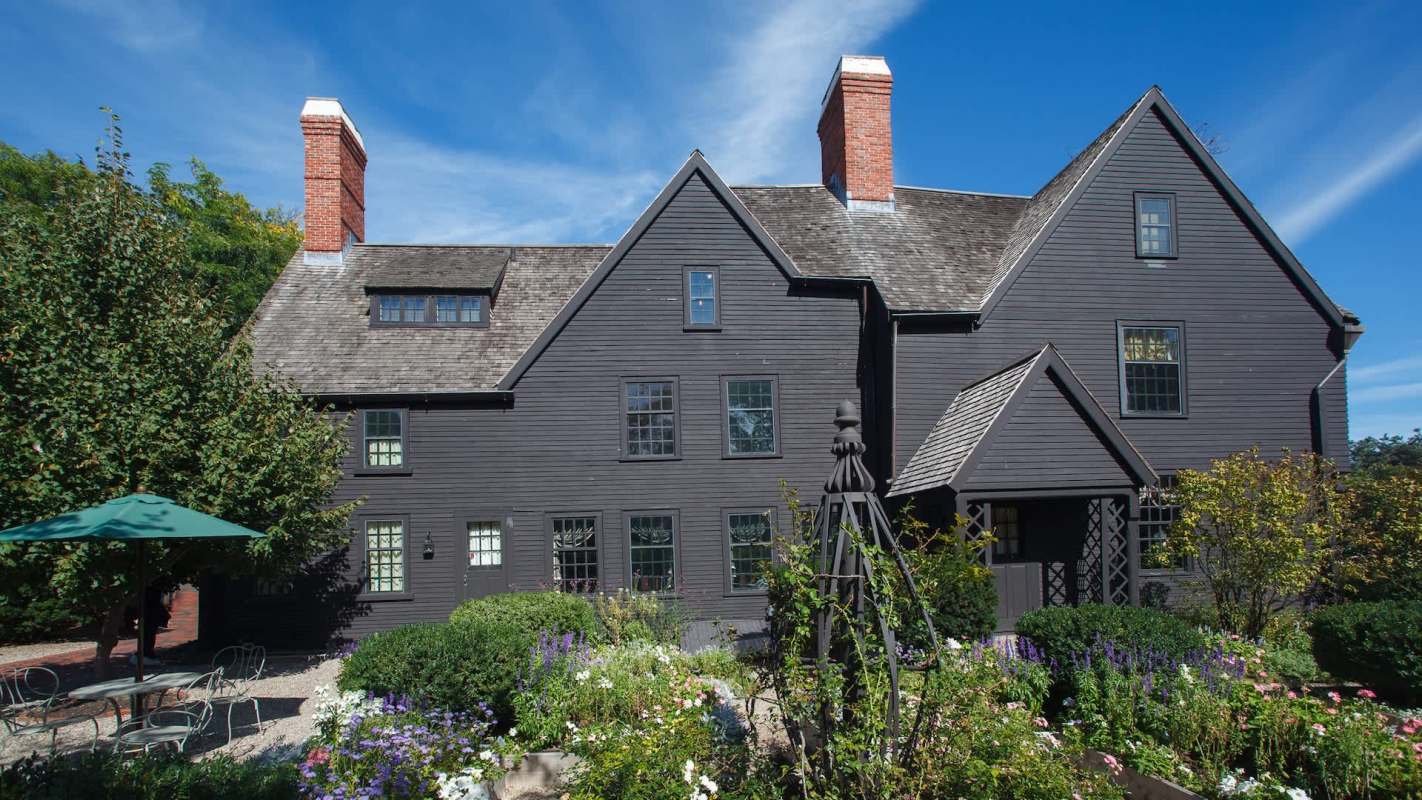
An organization of historic homes in Salem, Massachusetts, announced plans to relocate several buildings to protect them from future flooding.
What's happening?
The House of the Seven Gables operates today as a museum campus of historic buildings on Salem Harbor. It recently revealed that it is working on a plan to move multiple structures farther inland due to rising sea levels and flooding risks from climate change, according to a report by Salem News.
The campus includes the birthplace of famous author Nathaniel Hawthorne as well as The House of the Seven Gables mansion, which inspired Hawthorne's classic novel of the same name. Some of the buildings date back to the 1600s.
The Gables organization said it is seeking grants and donations to make its plan a reality. Long-term, it wants to move five buildings away from the water's edge and also complete short-term site improvements.
"We've had a couple of storm surges and near misses that can push 2 to 3 feet into the harbor pretty easily, and it's come over the top of the seawall a couple times [...]. Fortunately, the water hasn't come across the lawn to any of the buildings yet," said Paul Wright, the Gables' Director of Preservation, per Salem News.
Why is it concerning?
The Gables is arguably the most iconic tourist attraction in Salem, a town famous for its storied history of witch trials in the 1690s and its present-day reputation as the premier destination for all things witchcraft.
TCD Picks » Quince Spotlight
💡These best-sellers from Quince deliver affordable, sustainable luxury for all




The campus is designated as a National Historic Landmark District and welcomes more than 100,000 visitors every year. To preserve its legacy and priceless history, The Gables analyzed patterns and projections of precipitation, storm intensity, and sea-level rise over several years.
"This is us actually saying 'we've studied these impacts and created a plan,' and we're now taking the first stage of that plan and putting it into implementation," Wright said, per Salem News. "It's us trying to actually take action."
Unfortunately, decisions like this are now being made worldwide. More frequent extreme weather disasters, such as floods, droughts, wildfires, and hurricanes, threaten residential homes and iconic buildings. They put people's lives and livelihoods in danger and cause great damage to the environment and to wildlife.
Addressing climate change is costly and comes in many forms. It's certainly an intimidating plan to relocate multiple centuries-old historic buildings and redesign an entire museum campus. But it would cost much more to not address these issues and to be unprepared for potential climate devastation.
|
What's the most you'd pay per month to put solar panels on your roof if there was no down payment?
Click your choice to see results and speak your mind. |
 $200 or more 💰
 What's being done about it?
The Gables said it will start by moving the building that's closest to the water, the Counting House, by 2030. It will also make upgrades to the campus, such as protecting and elevating building utilities and strengthening the seawall. This is the first phase of its plan, which could cost more than $1 million.
"[The] seawall is under greater stress than ever and is now over-washed and undermined with sinkholes. Our most pressing task is repointing the seawall that runs up against Salem Harbor," the Gables says on its website. "This work will protect the seawall from the impact of wave action and reduce soil loss as water moves in and out of the wall assembly."

Get TCD's free newsletters for easy tips to save more, waste less, and make smarter choices — and earn up to $5,000 toward clean upgrades in TCD's exclusive Rewards Club.







