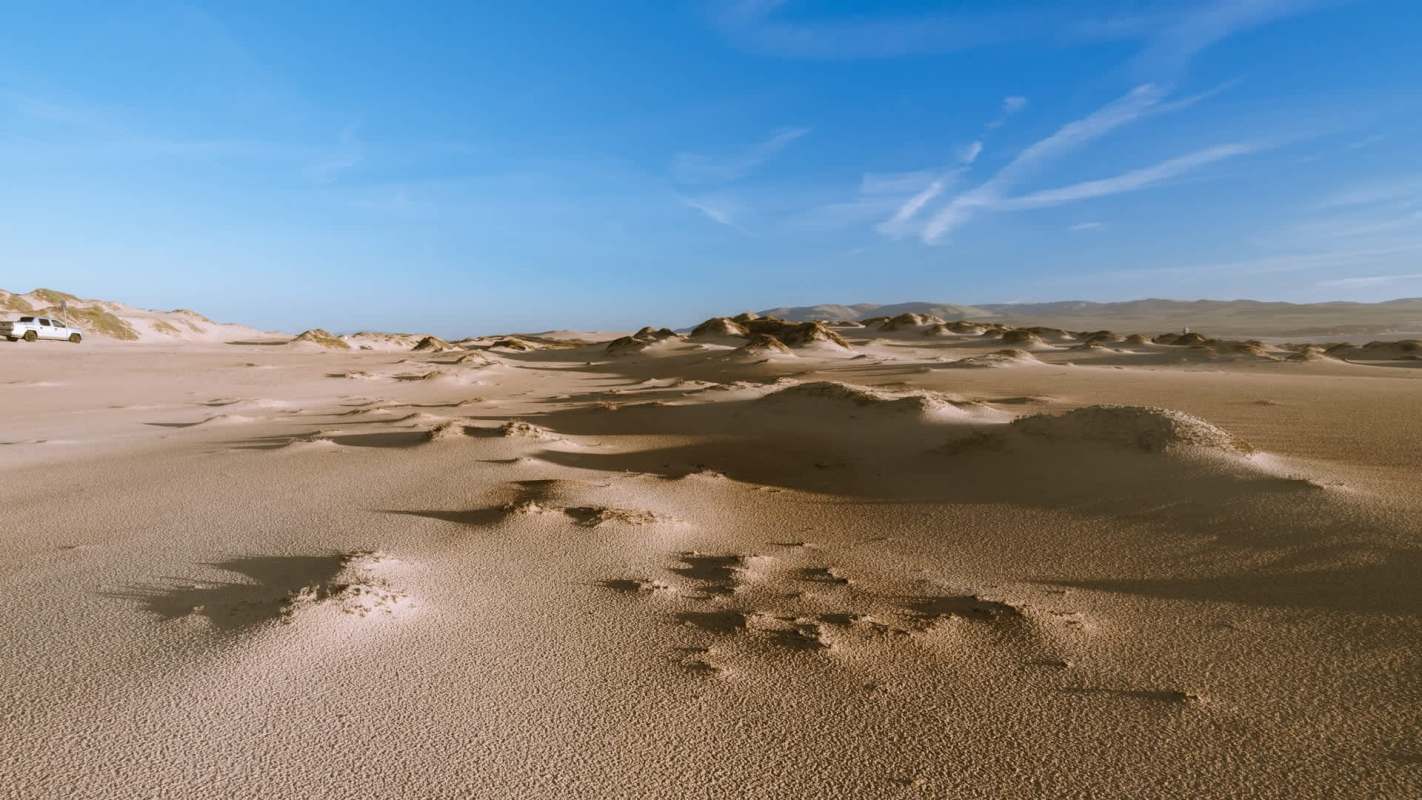
They say you should leave things the way you found them. When it comes to an oil field located in the Central Coast of California, after a nearly 80-year saga, that's what's finally happening.
The San Luis Obispo Tribune reported on the cleanup at the Guadalupe-Nipomo Dunes Complex and oil giant Chevron's plans to donate 2,700 acres of the land to the U.S. Fish and Wildlife Service. After years away, animals like red-legged frogs and mountain lions are back.
Oil production by Union Oil Co. (Unocal) began in 1947 and continued until 1994. The field itself was part of the Northern Chumash Tribe's ancestral lands, per the Tribune.
The detrimental effects were vast. During thinning, Unocal pumped up to 10 million gallons of kerosene-like oil into the wells. That eventually contaminated the groundwater and a nearby beach.
The U.S. Coast Guard had had enough by 1994 and decreed that Unocal undergo a massive cleanup. Four years later, the Central Coast Regional Water Quality Board ordered the same for the rest of the property. In response, the oil company took all of the wells out of operation and began a now-30-plus-year process.
Chevron entered the equation in 2005 when it bought Unocal and was on the hook for the cleanup. The cleanup crew now features six Chevron staffers and 70-100 contractors from nine other companies.
Perk up the winter blues with natural, hemp-derived gummies Camino's hemp-derived gummies naturally support balance and recovery without disrupting your routine, so you can enjoy reliable, consistent dosing without guesswork or habit-forming ingredients. Flavors like sparkling pear for social events and tropical-burst for recovery deliver a sophisticated, elevated taste experience — and orchard peach for balance offers everyday support for managing stress while staying clear-headed and elevated.
Learn more → |

The process included excavating the contaminated soil and sand, building a landfill, installing wells to protect the groundwater, and rebuilding sand dunes to restore the habitat.
"Over the past 30 years, we have been able to achieve an amazing transformation in the environment," said Chevron Environmental Management Company lead public affairs adviser Jeff Moore, per the Tribune.
The biggest remaining hurdles are reducing contamination levels and completing the arduous process of planting native seeds to restore the habitat. The end is near, as Moore estimated it within the next five years.
Chevron's track record is spotty, like most fossil fuel giants, with incidents including oil spills. However, this conservation win can be celebrated, even as the public continues to hold big corporations to account.
TCD Picks » Upway Spotlight
💡Upway makes it easy to find discounts of up to 60% on premium e-bike brands





|
Do you think America does a good job of protecting its natural beauty? Click your choice to see results and speak your mind. |
 Definitely 👍
 At the site, restoration biologist Jenny Langford marveled at the sounds of birds and the waves after 28 years on the project.
"It's like a dream come true to see that, to see the project I started come to the full ending," Langford told the Tribune.

Join our free newsletter for good news and useful tips, and don't miss this cool list of easy ways to help yourself while helping the planet.
Cool Picks