


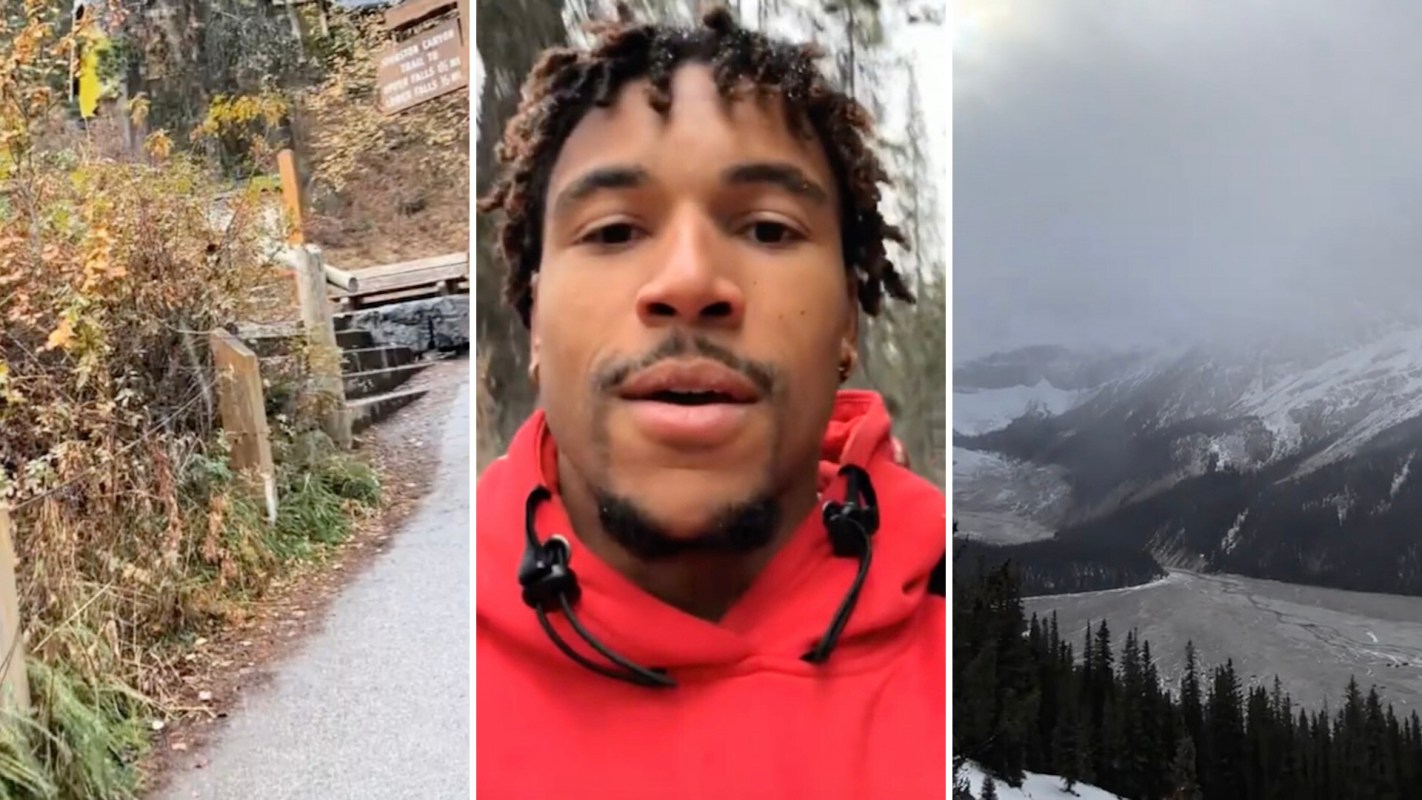
Canadian football player Anton (@anton_twosix) visited Banff, a resort town in Canada, and bumped into something he didn't expect.
What's happening?
Anton was visiting the Alberta town when he caught footage of a large grizzly bear wandering through a paved tourist area. He and several other tourists backed up to give the animal lots of space.
Some of Anton's followers suggested it was a famous local bear dubbed The Boss. Others warned about Anton's other sighting on Anton's trip, an elk.
Elk attacks are actually far more common in Alberta than grizzly bear attacks, according to data from SportingPedia shared by the St. Albert Gazette. Visitors to other popular parks have seen this aggression firsthand.
@anton_twosix Wish this was Ai 😂 #grizzly #banf #neardeathexperences #hike #bearencounter ♬ Hannya - Sunkenghost
Anton's TikTok followers were equally stunned by his encounters.
"Never turn your back on a bear bro," said one community member.
Perk up the winter blues with natural, hemp-derived gummies Camino's hemp-derived gummies naturally support balance and recovery without disrupting your routine, so you can enjoy reliable, consistent dosing without guesswork or habit-forming ingredients. Flavors like sparkling pear for social events and tropical-burst for recovery deliver a sophisticated, elevated taste experience — and orchard peach for balance offers everyday support for managing stress while staying clear-headed and elevated.
Learn more → |

"You got the full Canadian experience," replied another.
Why are human-wildlife encounters concerning?
Grizzly bears are an important part of natural ecosystems, crucial to nutrient cycling, regulating prey populations, and dispersing seeds.
As natural habitats degrade, wild animals are forced further afield to find food. Humans create these opportunities, either deliberately through feeding or unintentionally through trash.
Either way, this can shape animal behavior over time, increasing their comfort level around humans and the likelihood of an attack.
TCD Picks » Upway Spotlight
💡Upway makes it easy to find discounts of up to 60% on premium e-bike brands





|
Do you think America does a good job of protecting its natural beauty? Click your choice to see results and speak your mind. |
 Definitely 👍
 When large mammals like grizzlies show too much comfort in approaching people, they're often euthanized.
What's being done about wildlife encounters?
Minimizing food incentives by securing trash and not actively feeding wildlife are important steps to preventing these kinds of situations, but that's just in the short term.
Protecting natural habitats is the biggest step in stopping wild animals from roaming close to humans. Habitat degradation happens primarily due to human land development for agriculture, housing, and the forestry industry.
By taking local action, it's possible to introduce legal protections for natural areas where grizzly bears and other wildlife can thrive with the resources they need.

Get TCD's free newsletters for easy tips to save more, waste less, and make smarter choices — and earn up to $5,000 toward clean upgrades in TCD's exclusive Rewards Club.
Cool Picks






