


A grizzly bear attack in British Columbia's South Chilcotin backcountry left a 72-year-old woman injured. Now recovering, her story is a reminder that a remote hike can become dangerous quickly when people encounter wildlife.
Officials believe the encounter involved a female grizzly defending at least one cub.
What happened?
According to the Toronto Sun, one afternoon in early August, the Royal Canadian Mounted Police notified local search and rescue officials that a hiker had been attacked on Pearson Ridge, about 43 miles from Pemberton, a mountain town north of Vancouver.
Because the area is remote and accessible by forest service roads, emergency response can be more difficult. With help from the B.C. Wildfire Service, the woman was located and airlifted to Vancouver General Hospital with serious injuries, as reported by the Toronto Sun.
David McKenzie, president of Pemberton Search and Rescue, said authorities kept rescue crews from entering right away until the bear cleared the scene.
"They didn't want us to enter into the scene until they had cleared it just because of safety," McKenzie said, as reported by the Toronto Sun.
TCD Picks » Quince Spotlight
💡These best-sellers from Quince deliver affordable, sustainable luxury for all




The hiker was airlifted to Vancouver General Hospital and was treated for severe injuries.
B.C.'s Ministry of Environment and Parks later said the hiker was interviewed at the hospital and that her clothes were taken in for evidence. The ministry said the findings of the investigation and the victim's statement point to a defensive encounter involving a female grizzly and at least one cub.
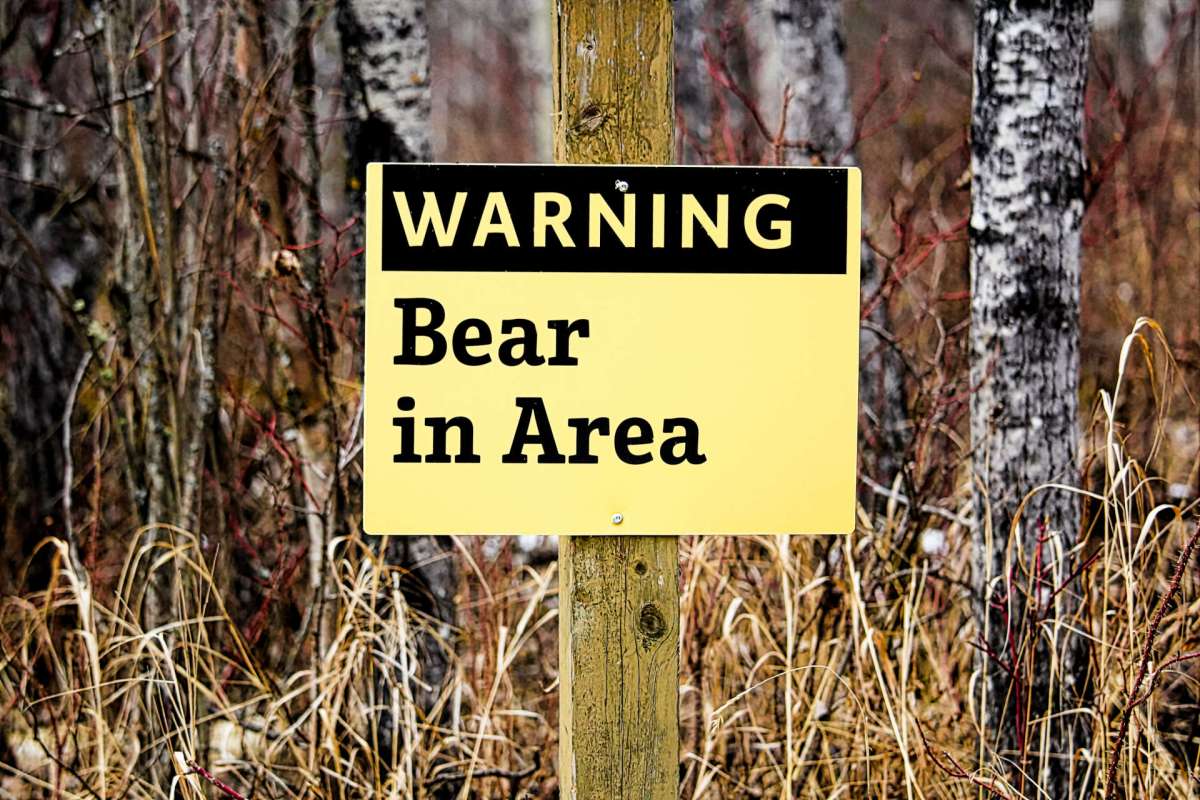
While officials have not euthanized the bear or trapped it, precautionary signs were placed in the area to warn hikers, the Toronto Sun reported.
Why does it matter?
The region where the hiker was attacked is a protected grizzly habitat, with salmon-supporting streams and trails that can overlap with bear movement corridors.
Bear biologist Wayne McCrory told CBC News, as reported by the Toronto Sun, that many serious encounters happen where trails and campsites overlap with those corridors.
"Grizzly bears like to use park trails if their terrain is rough," McCrory said.
While the attack appeared to be a defensive measure, any encounter with large wildlife can leave people with life-threatening injuries.
McCrory added that hikers should carry bear spray, know how to use it before heading out, and avoid setting out in the early morning or late evening when bears are most active.
He also said hikers and campers should avoid choosing campsites and routes in prime feeding areas. In remote regions accessed by forest service roads, advisories and closures can change quickly after an incident.

Get TCD's free newsletters for easy tips, smart advice, and a chance to earn $5,000 toward home upgrades. To see more stories like this one, change your Google preferences here.







