


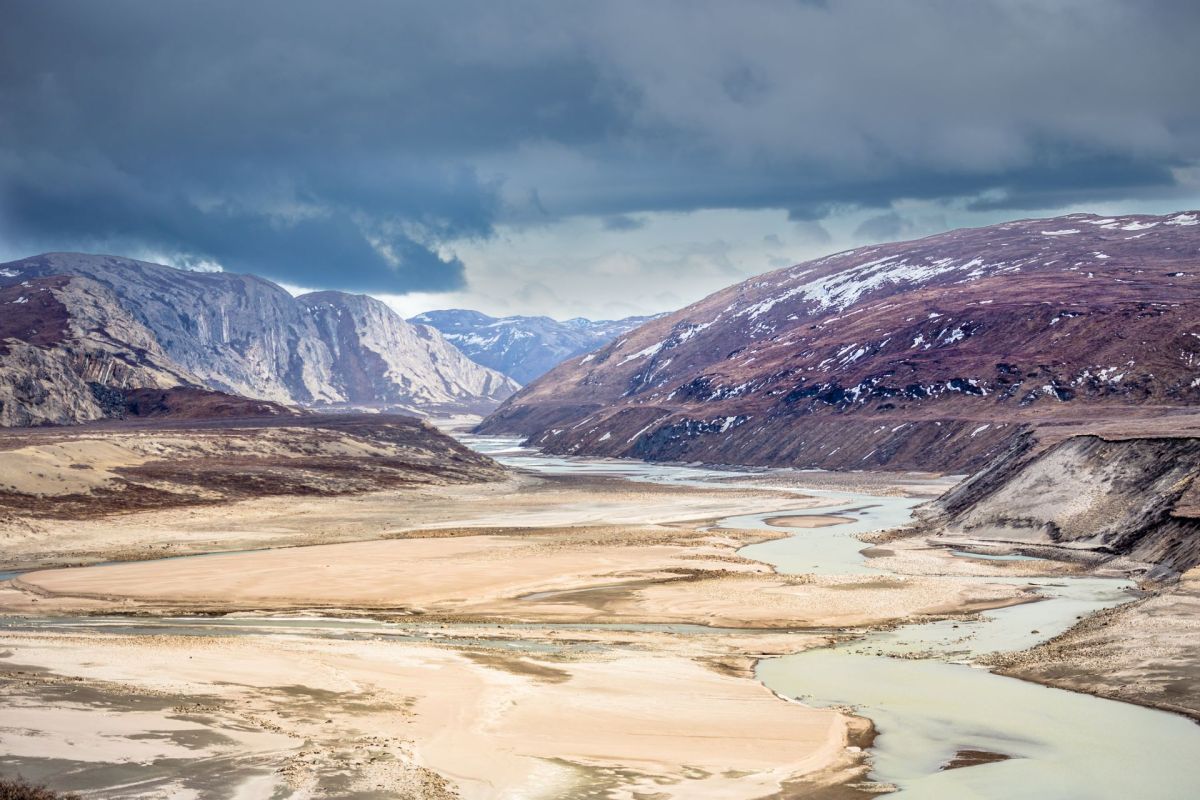
According to new research, atmospheric mineral dust is delivering phosphorus to the surface of the Greenland Ice Sheet.
This phosphorus is fueling algal blooms, which darken the ice and accelerate its melting.
What's happening?
Researchers from multiple research institutions and universities published their findings in the journal Environmental Science & Technology. To arrive at these conclusions, they set up a field site on the Greenland Ice Sheet where ice surface darkening and melting were occurring.
On two field campaigns during the melt seasons, they collected airborne particles, snow, and ice for analysis using modeling and meteorological technologies. Their discoveries linked dust to algae formation and rapid melting trends to explain what's happening in Greenland.
"While we were in Greenland studying the airborne dust, we were also sampling soot being deposited out of the air," said Dr. Jenine McCutcheon, a professor who collaborated on the study. "We want to better understand its role in darkening the ice surface, especially as events like forest fires are becoming more frequent."
Why is Greenland's melting significant?
This new research about one of Earth's largest freshwater reserves, the Greenland Ice Sheet, helps us understand why ice is melting so rapidly. Scientists now know that it's not just steadily rising temperatures that influence ice melt, but also atmospheric dust that fuels algae growth on glaciers.
Ice melt is significant because it directly contributes to global sea-level rise, which threatens coastal communities worldwide. Rapid ice melt in Greenland has broad implications, as it may also weaken ocean currents and affect climate patterns.
Meanwhile, Indigenous populations that rely on stable ecosystems must adapt to melting ice and more exposed land, which are affecting their traditional ways of life.
What's being done to stop rapid ice melt?
Greater public awareness of critical climate issues, such as ice melt, is crucial to changing individual behaviors and influencing policy.
Scientists, governments, and researchers may be able to curb rapid ice melting through improved climate modeling and monitoring. Better land management can also prevent high levels of dust from exposed, dry soil from entering the atmosphere and causing ice to melt.
TCD Picks » Quince Spotlight
💡These best-sellers from Quince deliver affordable, sustainable luxury for all




|
What's the most you'd pay per month to put solar panels on your roof if there was no down payment?
Click your choice to see results and speak your mind. |
 $200 or more 💰
 Individual actions you can take to support a cleaner, greener planet include powering your life with clean, renewable energy instead of pollution-heavy coal, oil, and gas.
TCD's Solar Explorer can help you understand your solar options and save money on monthly utility bills. One TCD partner, EnergySage, offers a free service that connects you with trusted local installers and helps you save up to $10,000 on solar installations.
To promote fact-based education and understanding of the issues, you can also talk with your family and friends about ice melt and why it matters to the people and places you love.

Get TCD's free newsletters for easy tips to save more, waste less, and make smarter choices — and earn up to $5,000 toward clean upgrades in TCD's exclusive Rewards Club.
Cool Picks




