


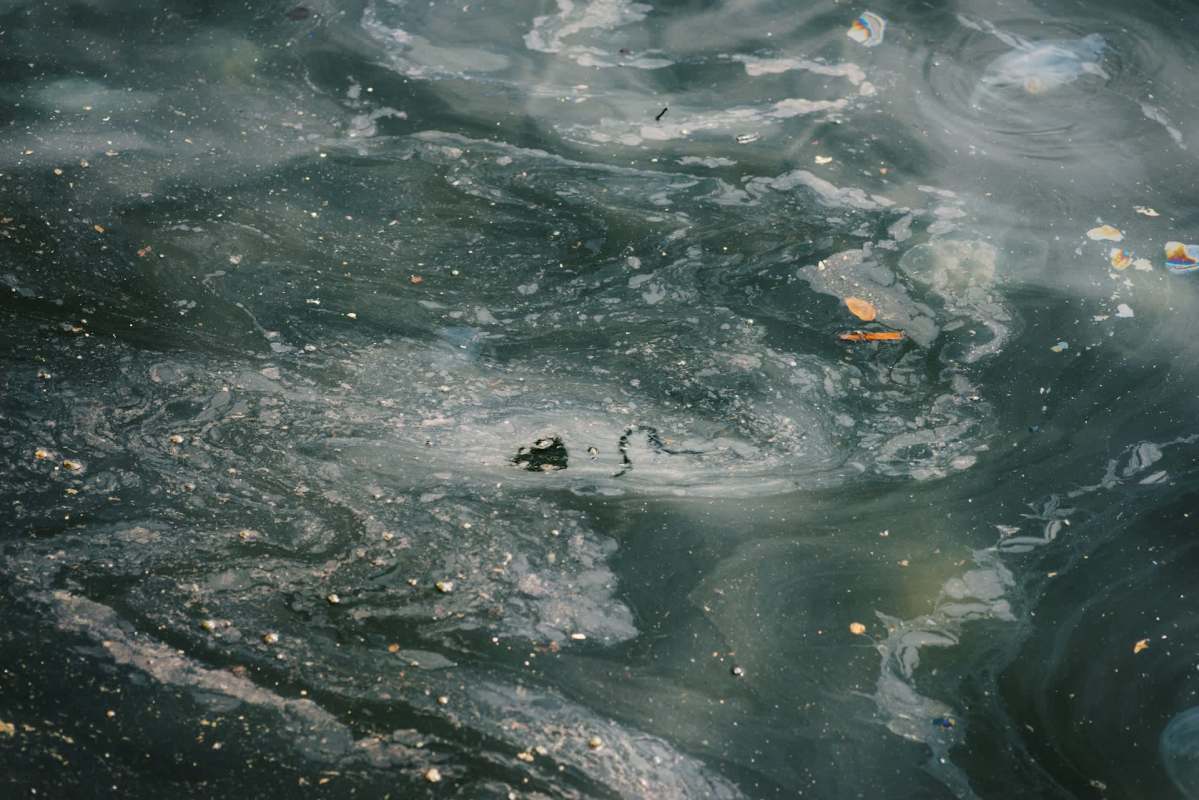
A study has found that plastic fragments in green sea turtles originated from regions far beyond their migratory range.
What's happening?
Research published in the journal PeerJ from Rissho University analyzed the digestive tracts of 10 green sea turtles from the Ogasawara Islands in Japan.
Using genetic, isotopic, and plastic analyses, they found that seven of the 10 turtles had ingested plastic.
As researchers from the university observed (via Phys.org), these weren't mere microplastic particles. Macroplastics and mesoplastics were found in the animals as well, accounting for more than half of the plastics they had ingested.
The green sea turtles migrate from the Pacific coasts of Japan's mainland to the Ogasawara Islands. Researchers suspect many of these plastics were caught in drifting masses of seaweed, and the turtles ingested them during their journey.
Green turtles can accidentally ingest plastic mixed in with their natural food sources, but they may also mistake plastic for their prey and eat it. For example, a floating plastic bag may look like a jellyfish to them.
Astonishingly, the researchers found that the printed characters on some of the recovered plastic pieces originated from distant areas, far outside the turtles' migratory range.
Why does it matter that the plastic came from other regions?
The study's findings indicate that the plastic pieces traveled far across the ocean and underscore the growing severity of plastic pollution in marine ecosystems.
Seongwon Lee, study co-author and professor at Rissho University, said, per Phy.org, "This study demonstrates that plastic pollution is a transboundary issue."
Turtles are particularly susceptible to bioaccumulation of microplastics. Based on one analysis of female green sea turtles, the creatures can ingest up to 10 ping-pong balls' worth of plastic. Another study found high concentrations of microplastics in male turtles' reproductive systems.
TCD Picks » Quince Spotlight
💡These best-sellers from Quince deliver affordable, sustainable luxury for all




|
What's the most you'd pay per month to put solar panels on your roof if there was no down payment?
Click your choice to see results and speak your mind. |
 $200 or more 💰
 Sea turtles are far from the only creature harmed by microplastics. Every living thing, from fish to monkeys to humans, is at risk of accumulating large amounts of microplastics in its body. Most people already have microplastics in their bodies, even if they try to avoid plastic products.
Microplastic bioaccumulation has been linked to a range of health problems, including respiratory issues, reproductive problems, heart conditions, and more.
What can we do to reduce microplastics in the ocean?
While ocean clean-up initiatives are helpful, the best solution to this growing problem is to reduce plastic production and use.
Lee explained, per Phys.org, "Efforts to reduce plastic pollution — including reduction in the production, use, and disposal of plastic products — must be pursued through international cooperation, alongside continued research."
You can help by avoiding single-use plastics and choosing alternatives to plastic products. Every time you don't buy or use a plastic product, you're helping sea turtles, all the creatures in the ocean, and everyone on Earth.

Get TCD's free newsletters for easy tips to save more, waste less, and make smarter choices — and earn up to $5,000 toward clean upgrades in TCD's exclusive Rewards Club.
Cool Picks




