


In the late spring of 1983, scientists set out to help restore the surrounding environment decimated by the infamous Mount St. Helens eruption just three years prior, Popular Mechanics reported.
The catastrophic eruption, now known as the deadliest volcanic eruption in the history of the United States, claimed 57 lives and destroyed hundreds of square miles of land, with damages amounting to over $1 billion, according to KOMO News.
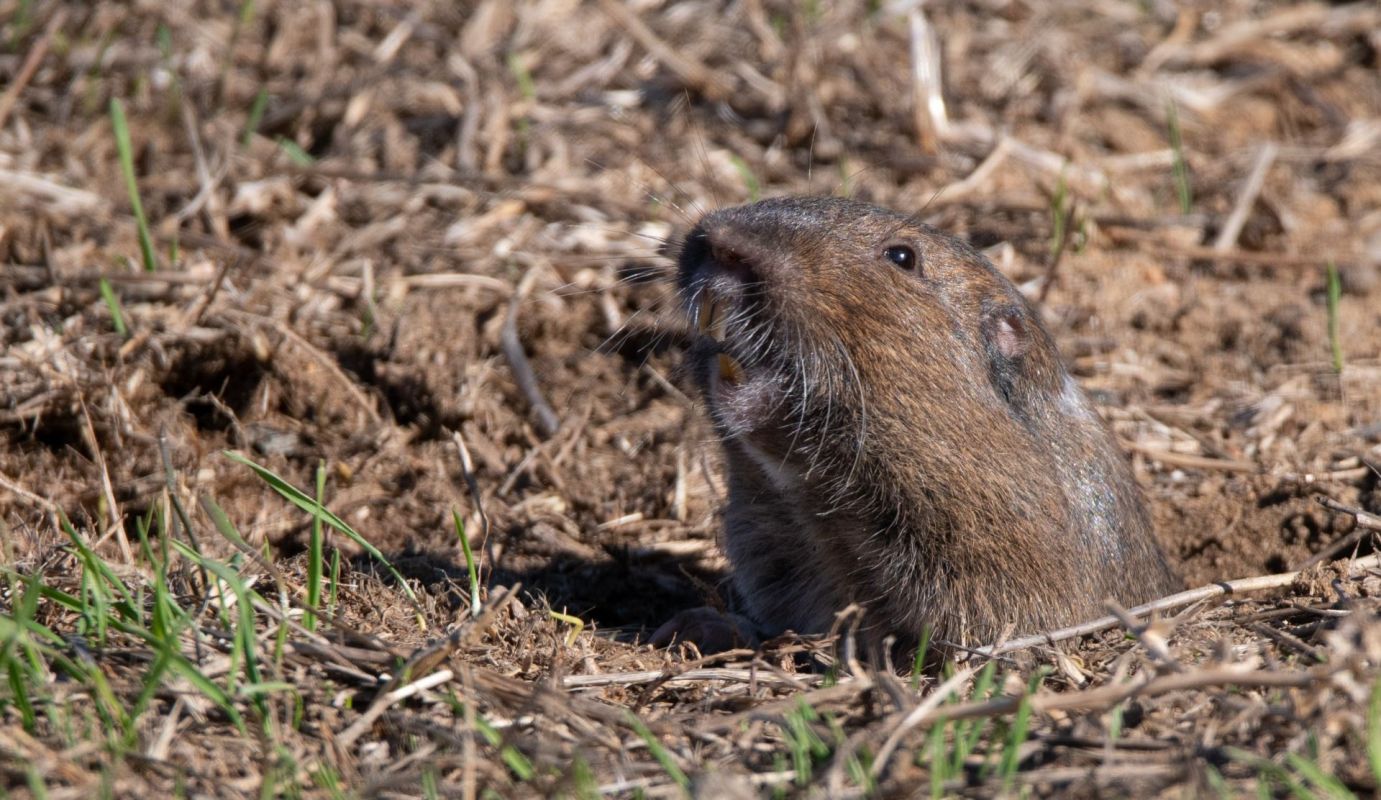
Following the devastation, scientists were tasked with determining how to restore ecological balance to the scorched landscape. They turned to some of nature's unsung heroes: gophers.
Scientists from the University of California gathered a group of the small, burrowing rodents and dropped them off at the site of the eruption with plans to let them behave as normal.
"By digging up beneficial bacteria and fungi, gophers might be able to help regenerate lost plant and animal life on the mountain," determined the University of California report.
The gophers did not let anyone down. Within just six years of their introduction to Mount St. Helens, 40,000 plants were reported growing, compared to the original measly dozen that initially persevered, breaking through pumice slabs formed by the lava.
The shocking part, however, has been discovered more recently as scientists begin to understand the extent to which these gophers transformed the landscape. From a desolate wasteland to thriving forests, the gophers fostered a microbial community that allows plants to thrive in the area to this day.
One of the scientists behind the project, UC Riverside microbiologist Michael Allen, underscored the importance of fungi alongside the gophers' digging, which turns the soil.
"With the exception of a few weeds, there is no way most plant roots are efficient enough to get all the nutrients and water they need by themselves," Allen said in the University of California media release. "The fungi transport these things to the plant and get carbon they need for their own growth in exchange."
To underscore the point, land untouched by the gophers remained mostly unfruitful.
|
Which of these savings plans for rooftop solar panels would be most appealing for you?
Click your choice to see results and earn rewards to spend on home upgrades. |
 Save $1,000 this year 💸
 The benefits of these furry heroes extend beyond the immediate site of the eruption as well. By rejuvenating the ecosystem and reintroducing many plant and animal species, surrounding communities can benefit from repaired biodiversity, allowing for better resilience against external pressures like water and air pollution.
TCD Picks » Quince Spotlight
💡These best-sellers from Quince deliver affordable, sustainable luxury for all




University of Connecticut mycologist Mia Maltz, co-author of a study focusing on the recovering forests of Mount St. Helens, emphasized the importance of these natural, interconnected systems.
"We cannot ignore the interdependence of all things in nature, especially the things we cannot see like microbes and fungi," she said.
Thanks to the unexpected duo of gophers and fungi, Mount St. Helens is seeing brighter days.

Get TCD's free newsletters for easy tips to save more, waste less, and make smarter choices — and earn up to $5,000 toward clean upgrades in TCD's exclusive Rewards Club.
Cool Picks




