


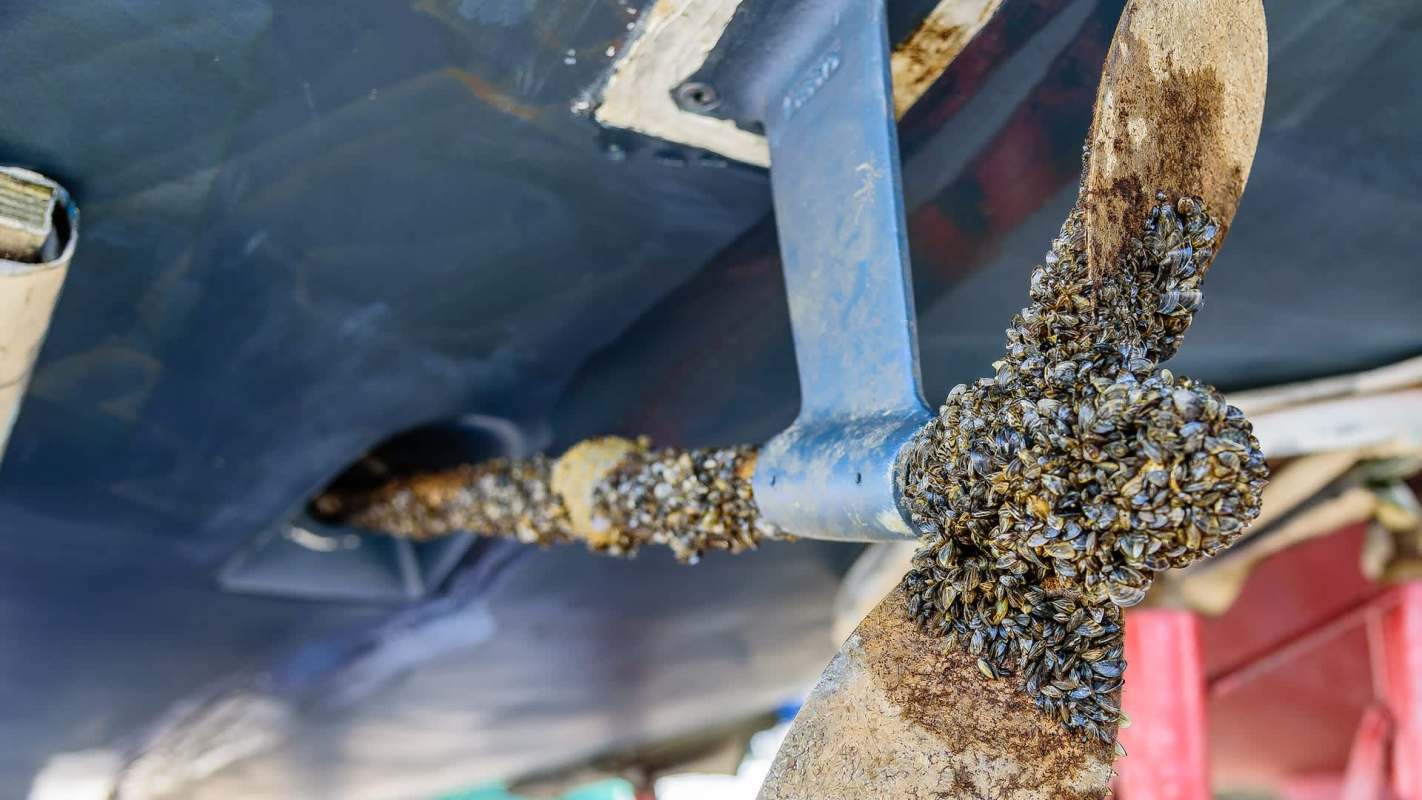
Move over, Shark Tank — there's a new showdown making waves, and this time the stakes are ecological.
According to news station KRCR, officials at the U.S. Bureau of Reclamation are offering up to $200,000 for winning proposals to stop invasive mussels from spreading across United States waterways.
The initiative, dubbed "Halt the Hitchhiker," comes as agencies race to contain fast-moving species such as quagga, zebra, and golden mussels that are posing particular problems in California.
The urgency is hard to overstate. Even before golden mussels were discovered in California's Delta in 2024, invasive shellfish were already causing more than $1 billion in annual damage and control costs across the U.S.
"The California Department of Fish and Wildlife has aggressive programs throughout the state of California that we're working directly with," Michael Burke, Public Affairs Specialist for the U.S. Bureau of Reclamation, told KRCR. "So we want to do whatever we can to prevent the spread of golden mussels up in our area."
The nationwide competition is structured in phases. In Phase One, participants submit ideas for safer, more effective ways to inspect and clean boats — one of the primary means by which these mussels spread. Six finalists will each receive $25,000 and advance to pitch their ideas live. From there, a select few will receive funding to build prototypes, with a top prize of $125,000.
TCD Picks » Quince Spotlight
💡These best-sellers from Quince deliver affordable, sustainable luxury for all




"Our water supply, our food, the farmers ... I mean, this species has the ability to greatly devastate," West Bishop, an invasive aquatic species expert, told KRCR about the golden mussel in particular.
The challenge reflects a broader environmental issue. Invasive species, both aquatic and on land, can quickly spiral out of control, overwhelming ecosystems and creating costly problems for communities.
Experts often emphasize working with nature — not against it. Simple steps like planting native species can help homeowners mitigate the spread of invasive species in their own yards while reducing maintenance costs, conserving water, and supporting pollinators.
Editor's note: This article has been updated to clarify that this is a national competition and not specific to California, even though the Bureau of Reclamation is working with California officials to address the issue as well.

Get TCD's free newsletters for easy tips, smart advice, and a chance to earn $5,000 toward home upgrades. To see more stories like this one, change your Google preferences here.







