The impacts of our warming planet are all around, though in icy regions, such as the Sherpa village of Thame in the Himalayas, the changing climate is especially clear.
An article in the New York Times catalogued a group of scientists' work assessing this area.
What's happening?
In 2024, a glacial lake outburst flood, or GLOF, destroyed Thame. The onslaught of water destroyed homes and obliterated other buildings.
Last August, one healthcare employee at the clinic in Thame had hiked to a nearby town for medicine. When he tried to return, the trail was gone. Soon enough, so was the clinic.
"There was nothing left," he told the New York Times.
Surprisingly, the lakes that swept through Thame were small, pointing to the unpredictable nature of these flood events.
Perk up the winter blues with natural, hemp-derived gummies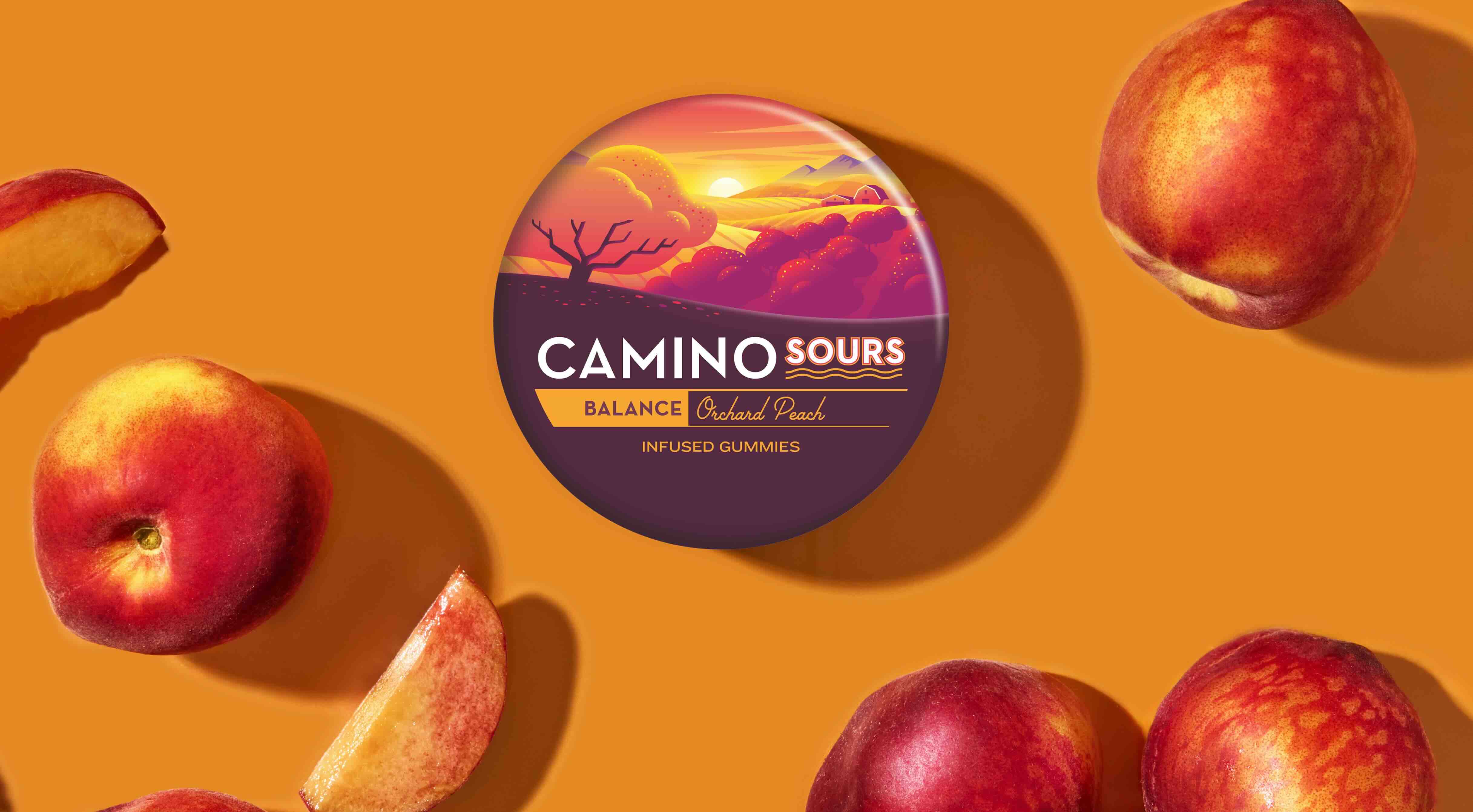 Camino's hemp-derived gummies naturally support balance and recovery without disrupting your routine, so you can enjoy reliable, consistent dosing without guesswork or habit-forming ingredients. Flavors like sparkling pear for social events and tropical-burst for recovery deliver a sophisticated, elevated taste experience — and orchard peach for balance offers everyday support for managing stress while staying clear-headed and elevated.
Learn more → |

Glaciologist Dr. Scott Watson and his team trekked through the area attempting to measure the lakes and prepare for future disasters.
Why is glacial melt concerning?
As glacial ice melts in these locations, lakes are formed or expanded. While this process can be gradual, GLOFs happen when a lake of glacial melt suddenly bursts through its natural barrier.
A study published in Nature explains how millions are threatened by GLOFS, with thousands of lives lost in specific areas like Cordillera Blanca in Peru alone. The authors call for urgent attention "if future loss of life from GLOF is to be minimised."
Dr. Watson had explored the area near Thame a decade ago and found glacial ponds almost 150 feet below the surface.
TCD Picks » Upway Spotlight
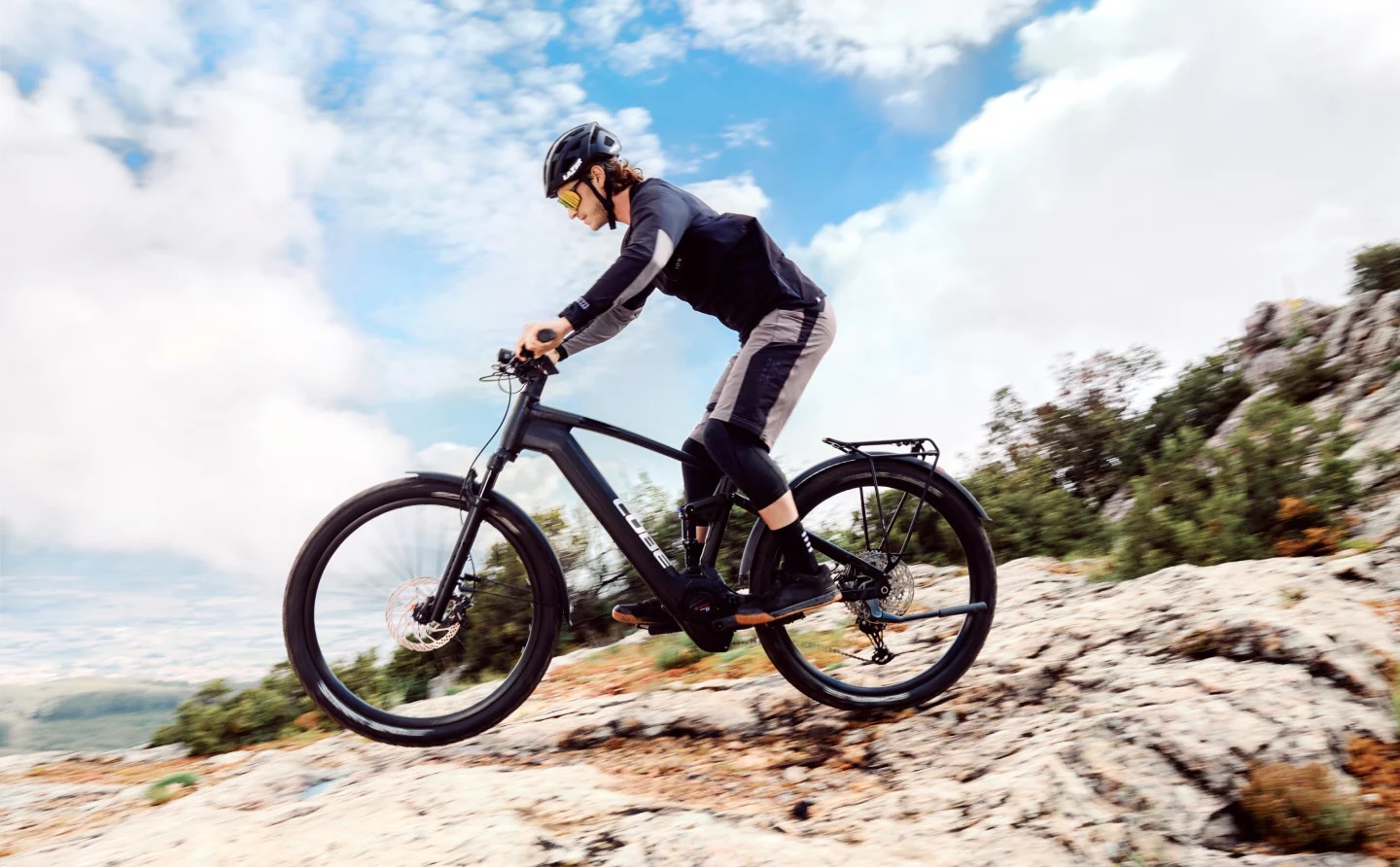
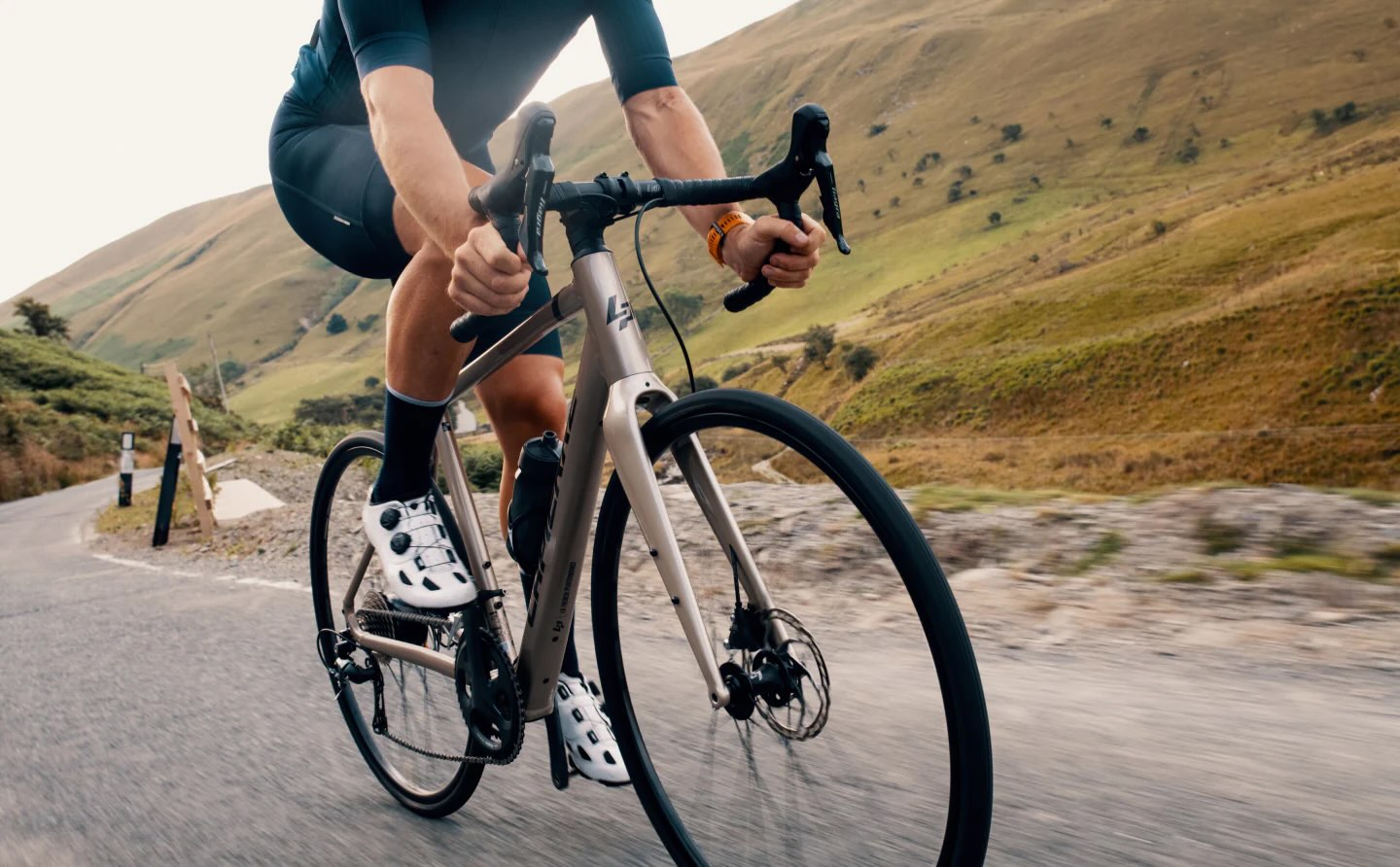
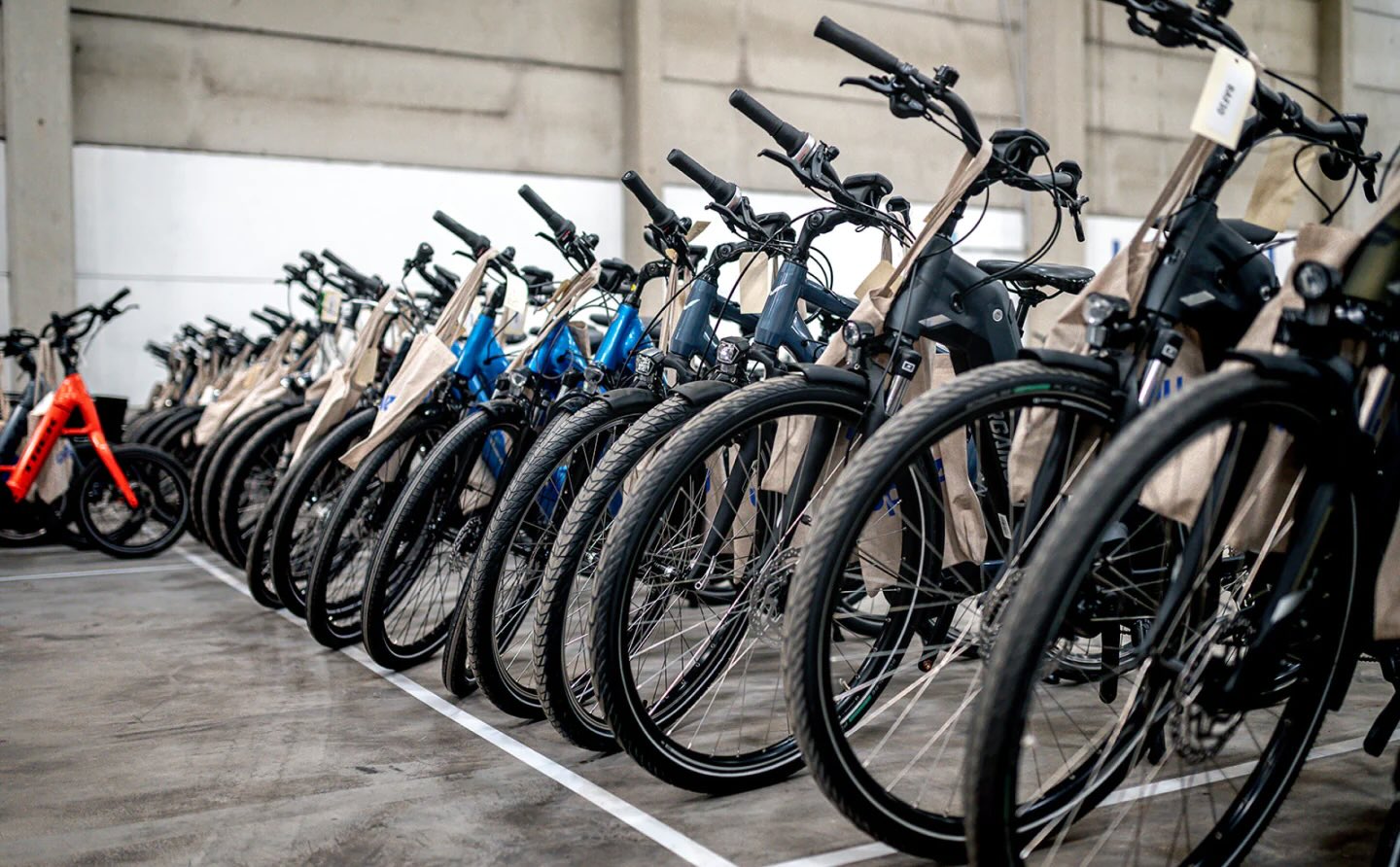
💡Upway makes it easy to find discounts of up to 60% on premium e-bike brands


|
Do you worry about the quality of the air inside your home?
Click your choice to see results and speak your mind. |
 Yes — often 😬
 "I thought that was deep," he said, according to the New York Times.
On his most recent trip, the depth of some lakes was much, much deeper. One lake, Dig Tsho, which destroyed villages such as Thame back in 1985, has already refilled since then to a depth of 240 feet in its deepest area.
What's being done about GLOFs?
Research and field work, like that of Dr. Watson's team, help measure these glacial lakes to aid in understanding where GLOFs might begin. While these assessments can't fully predict the end outcome, continued knowledge can help protect the public.
Others have made great strides in equipping communities that face threats of GLOFs. In Juneau, Alaska, a flood dashboard was launched this year to maintain communication with the public in the case of these emergencies.
While fluctuations in temperature and weather have always occurred, the supercharged nature points to a role played by human activity, such as the burning of dirty fuels.
By educating yourself on critical climate issues, you can better understand how actions in your daily life contribute to environmental destruction and seek solutions.

💰Get TCD's free newsletters for easy tips to save more, waste less, and make smarter choices — and earn up to $5,000 toward clean upgrades in TCD's exclusive Rewards Club.
Cool Picks