


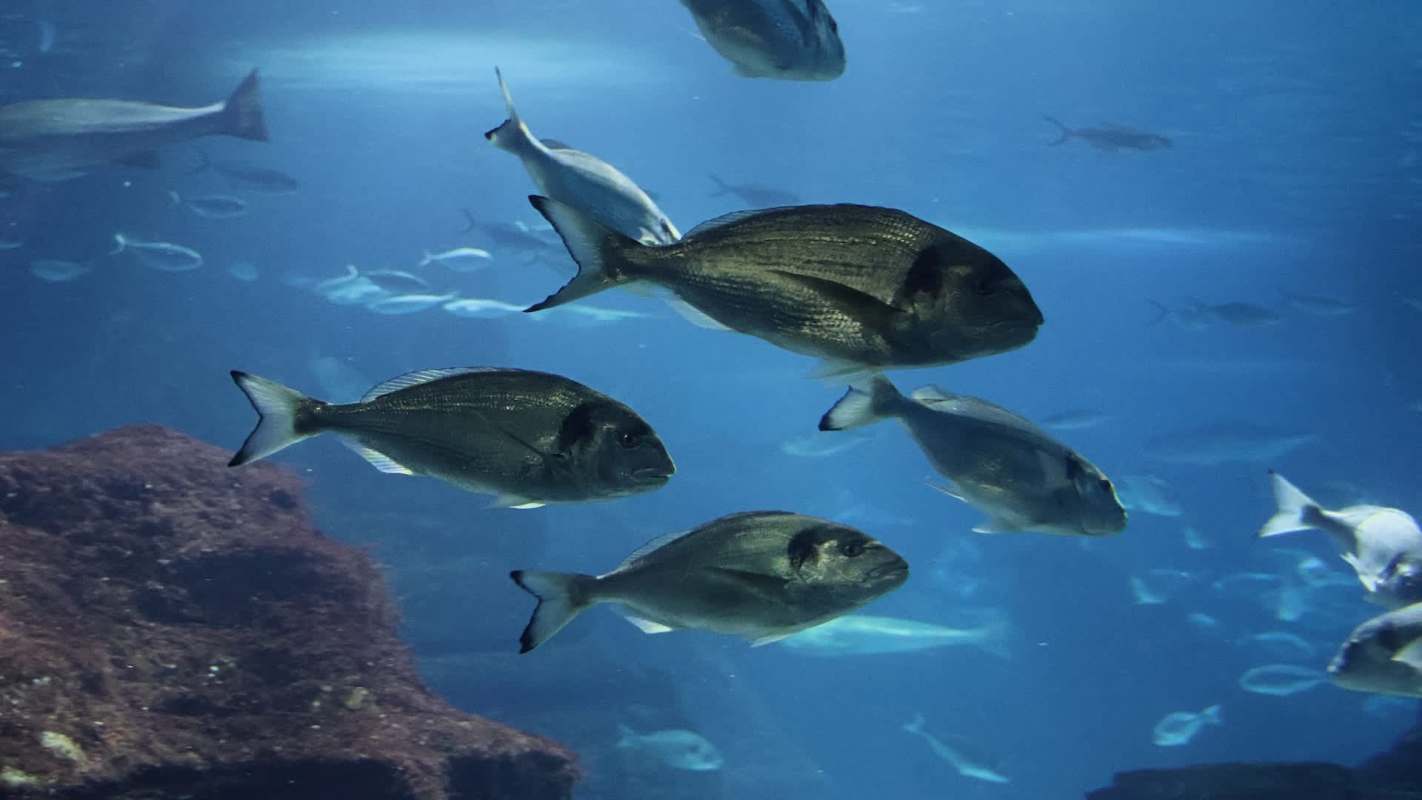
New research shows that tiny plastic particles are causing notable genetic damage in one of the Mediterranean's most commercially valuable fish species. This finding could have long-term implications for both marine ecosystems and the global seafood supply.
What's happening?
A team of scientists studying the gilthead sea bream, a species widely farmed in Europe, discovered that even small doses of polystyrene microplastics can cause measurable genetic damage in the fish after only 21 days of exposure.
The study, published in Scientific Reports, revealed that fish exposed to microplastics developed shortened telomeres — the protective caps on chromosomes that prevent cellular aging and genetic instability. Shorter telomeres are linked to weakened immune systems and reduced reproductive success, all of which can threaten farmed fish yields and wild fish populations over time.
"The gilthead sea bream, extensively farmed in the Mediterranean, is frequently exposed to these contaminants, leading to potential long-term health consequences," the paper stated. "Telomere length, a reliable marker of genomic integrity and cellular aging, offers a promising approach for assessing the biological effects of environmental stressors like microplastics."
Why are microplastics concerning?
Microplastics — plastic fragments smaller than 5 millimeters — have infiltrated nearly every space on Earth, from mountain streams to oceans to even our bodies. These particles absorb toxic chemicals and heavy metals, which then enter the food web when fish and other species ingest them.
Microplastics have been detected in seafood sold for human consumption, and chronic exposure could impact not only marine health but also food safety and human health. The researchers warned that such genomic damage in farmed species may reduce productivity and resilience, raising costs and food security risks for communities that rely on fish as a staple food source.
Plus, microplastics have been linked to all sorts of health problems, including cancer, reproductive issues, strokes, heart disease, and more.
What can we do about microplastics?
Scientists everywhere are calling for stronger pollution controls, improved waste management, and stricter oversight of aquatic ecosystems to limit plastic contamination. Governments and organizations around the world are also pushing for an international treaty to curb plastic production, addressing the problem at its source.
You can do your part, too, by using less plastic. Consider switching to plastic-free options for everyday products and supporting brands with plastic-free packaging to get started.
|
How concerned are you about the plastic waste in our oceans? Click your choice to see results and speak your mind. |
 Extremely 😫
💰Get TCD's free newsletters for easy tips to save more, waste less, and make smarter choices — and earn up to $5,000 toward clean upgrades in TCD's exclusive Rewards Club.
Cool Picks




