


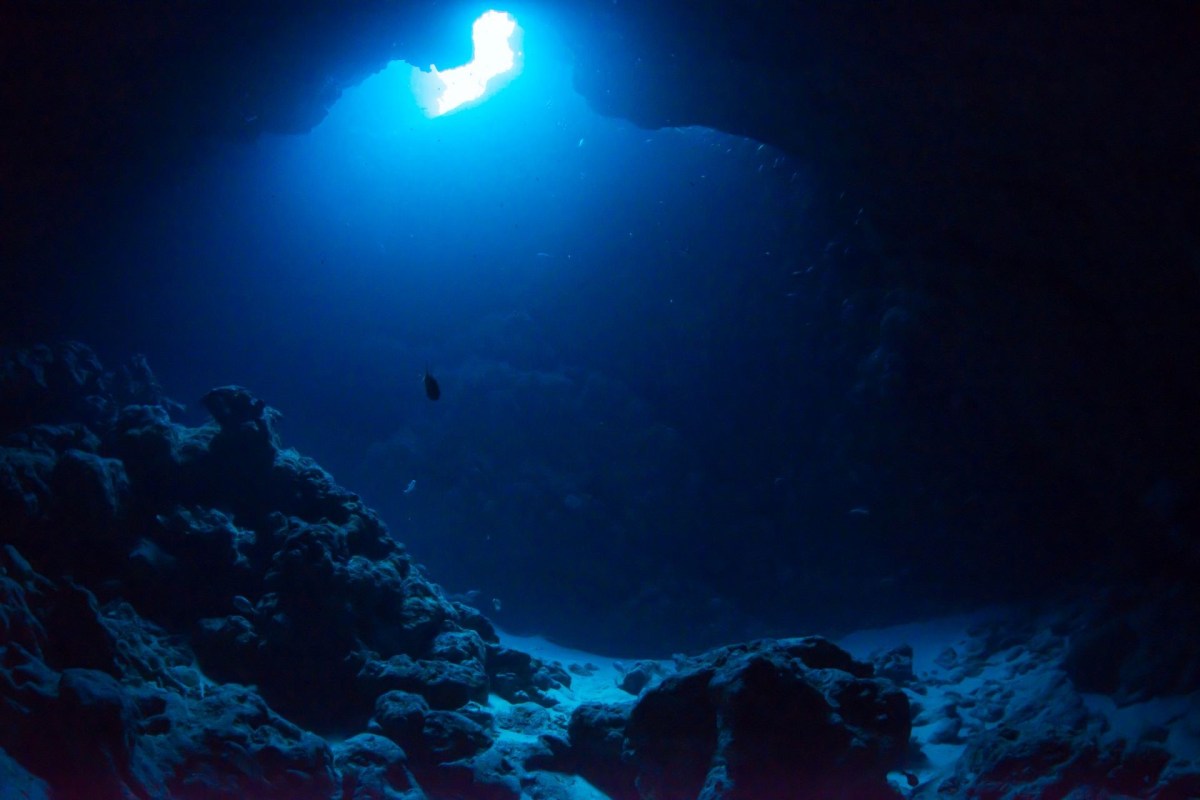
Researchers off the coast of Argentina made an incredible discovery while exploring the area's deep-sea ecosystem.
According to NBC 6 in South Florida, an Argentine-led team of researchers recorded — among other finds — an incredibly rare giant phantom jellyfish while conducting deep-sea research between Buenos Aires and Tierra del Fuego.
Reuters and AFP News Agency also shared camera footage of the organism.
Giant phantom jellies are among the largest species of jellyfish ever found, and they also happen to be one of the rarest. Their bells grow to more than three feet wide, they can be up to 33 feet long, and unlike many species of jellies, they don't use stinging tentacles to catch their prey, according to Smithsonian Magazine. Instead, they tangle them up in their massive, ribbon-like arms and eat them.
However, despite their size, catching sight of them is incredibly difficult; only about 120 sightings have happened since they were first discovered in 1899, per the magazine. They live in incredibly deep water, residing in the "midnight zone" that ranges between 3,300 feet and 13,100 feet deep and exists in complete darkness. That makes them difficult to spot and makes those areas of the ocean difficult to explore fully.
While the jelly was one of the highlights of the expedition, it wasn't the only incredible discovery the scientists made. The crew also found a massive Candida coral reef and several other reefs that collectively cover an area roughly the size of Vatican City, per NBC 6. They also found 28 organisms that they think might be new species.
Dr. Melisa Fernández Severini of the Instituto Argentino de Oceanografía and CONICET told NBC 6 of an "unprecedented number" of samples taken for the research. She said, "These samples represent a unique opportunity to understand not only how extraordinary these extreme ecosystems are, but also how vulnerable they can be."
"We were not expecting to see this level of biodiversity in the Argentine deep sea, and are so excited to see it teeming with life," said the expedition's chief scientist, Dr. María Emilia Bravo of the University of Buenos Aires and CONICET. "Seeing all the biodiversity, ecosystem functions, and connectivity unfolding together was incredible. We opened a window into our country's biodiversity only to find there are so many more windows left to be opened."
The discoveries highlight the importance of continuing to study our planet's oceans — with cameras as well as through sampling. There is much we don't know yet about what lies under the sea and how those ecosystems operate, particularly in the deep ocean.
The findings also highlight the importance of reducing plastic waste that can disturb ocean ecosystems; researchers found fishing gear and other plastic waste in their studies, perfectly preserved by the pressure in the ocean's depths.
TCD Picks » Upway Spotlight
💡Upway makes it easy to find discounts of up to 60% on premium e-bike brands





"With every expedition to the deep sea, we find the ocean is full of life — as much as we see on land, and perhaps more because the ocean contains 98% of the living space on this planet," said Dr. Jyotika Virmani, executive director of the Schmidt Ocean Institute, per NBC 6. "We have been privileged to work with outstanding scientists across three expeditions in Argentinian waters and look forward to seeing their research continue to unfold, unlocking new understanding and inspiration."
|
What's the most you'd pay per month to put solar panels on your roof if there was no down payment?
Click your choice to see results and speak your mind. |
 $200 or more 💰
Get TCD's free newsletters for easy tips to save more, waste less, and make smarter choices — and earn up to $5,000 toward clean upgrades in TCD's exclusive Rewards Club.
Cool Picks






