


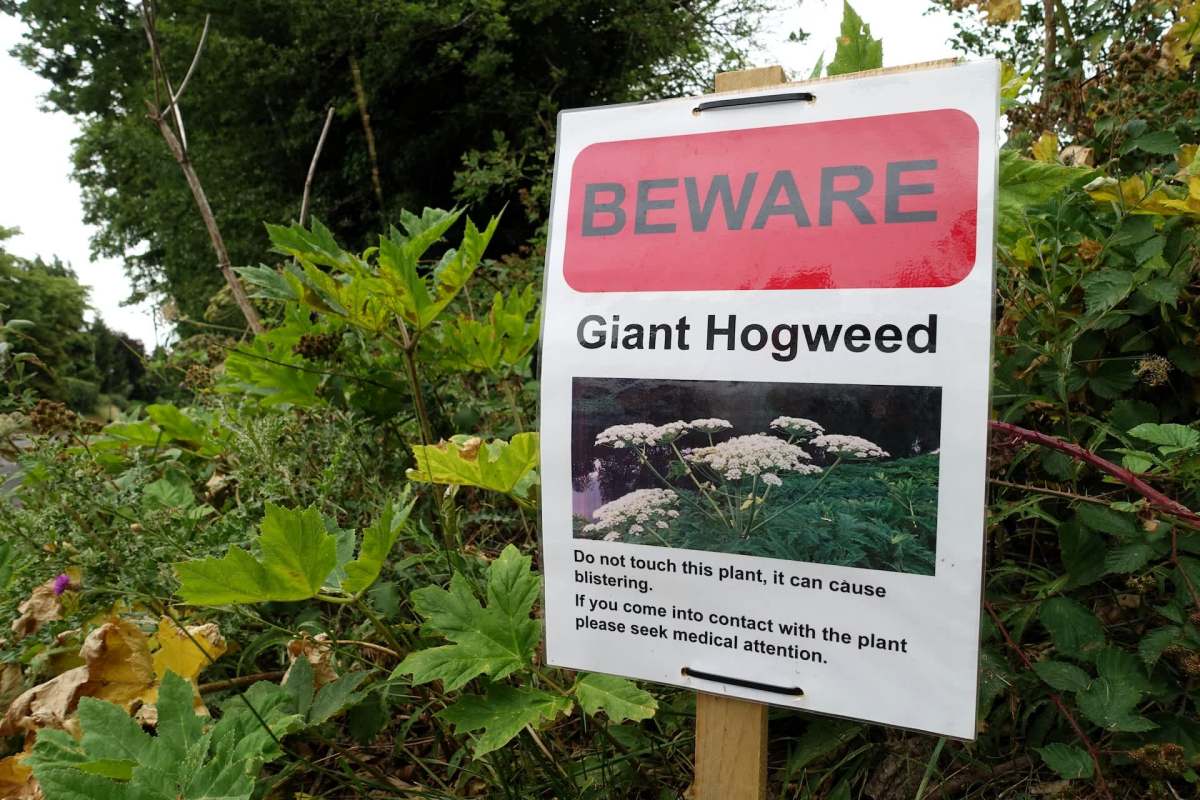
What once seemed unbelievable to Ontario scout leader John Kemp has turned into a growing public safety and environmental concern. After first seeing a photo of giant hogweed in 2010 and thinking, "This is a joke," Kemp now says the plant has spread so widely that waterways across southern Ontario are becoming increasingly difficult to navigate safely.
What's happening?
According to CBC News, Kemp, founder of the Giant Hogweed Mitigation Project, says the towering invasive plant is advancing rapidly along the Grand River and beyond.
"Any watershed in southern Ontario is now infested," Kemp said. "At the present rate of progress, by 2029, we'll have difficulty getting in or out of the water without pushing our way through the giant hogweed."
According to Ontario's Ministry of Natural Resources, giant hogweed was introduced as a garden ornamental from southwest Asia and is appearing more often in southern and central Ontario. The ministry says it can reach 2.4 to 4.2 meters (7.9 to 13.8 feet) tall and can be recognized by purple-blotched stems, coarse hairs, irregularly shaped leaves, and white umbrella-like flower clusters.
Its most serious danger is the sap, which can cause severe skin inflammation and make skin highly sensitive to sunlight. Kemp said he has experienced that hazard himself while removing giant hogweed in protective gear.
"I've got some burns from errors in my personal protective equipment," he said.
TCD Picks » Quince Spotlight
💡These best-sellers from Quince deliver affordable, sustainable luxury for all




"They call it phytophotodermatitis," he explained. "It changes your skin so that your skin doesn't protect you from ultraviolet light and then you get a deep penetration sunburn."
Why does it matter?
A major part of the problem, Kemp said, is that many people still are not aware of giant hogweed.
"It's kind of like a perfect storm," he told CBC. "People don't know what it is. They don't know it exists. They don't know where it is and they don't know how to avoid it."
The issue also carries legal responsibility for landowners. Kemp said some people think governments or conservation authorities will take care of removal everywhere, but he said that is not the case.
"By law of the land, [it's the] owner's responsibility. Every landowner should inspect their property and remove the weeds," he said.
What's being done?
Through his organization, Kemp is teaching residents, students, hikers, and canoeists how to identify giant hogweed and avoid it. He also helps people who may be unable to remove the plant themselves, especially along shorelines, where it can spread quickly.
Local conservation groups are stepping in as well. Fraser Gibson, a member of Waterloo Region Nature, said members at the Montgomery Wildlife Sanctuary regularly patrol the property and dig out any giant hogweed they find.
"If we wouldn't be managing it, I think it would be a major problem," Gibson said.
Gibson said the first scouting trip this year found "in excess of 30 plants on the very first days," though the totals fell after repeated removal.
For people dealing with giant hogweed at home, Ontario recommends contacting professional exterminators. CBC News summarized provincial guidance by saying late April or early May, before the plant grows too large, is considered the best early time to remove it.
Kemp said quick action is important if exposure happens.
"If you do get [sap] on you, you wash them off with soap and water within 20 minutes and you're fine," he said.

Get TCD's free newsletters for easy tips, smart advice, and a chance to earn $5,000 toward home upgrades. To see more stories like this one, change your Google preferences here.







