


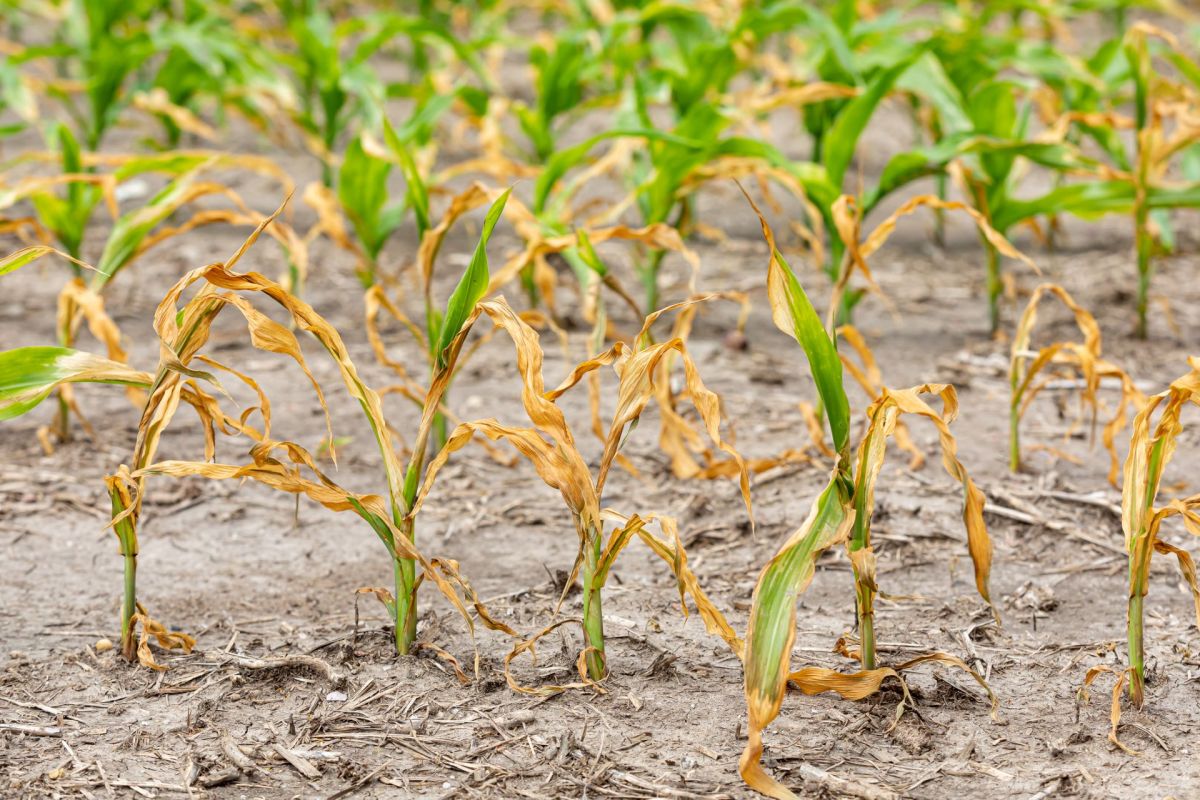
Scientists are experimenting with various methods of genetic engineering to make crops more resilient, enabling better food security for everyone.
AZo Cleantech reported on the strategies scientists are using to enhance crops, such as tomatoes, potatoes, wheat, rice, and maize. The genetic engineering is accomplished through methods such as plant genome modulation, gene deletion via multiplex single guide RNA, homology-driven gene insertion, biomimicking, and indels-mediated gene disruption in coding and promoter regions.
Using CRISPR and Cas-based gene editing and transgenic breeding, scientists are engineering crops to adapt to changes in climate conditions, such as longer-lasting and more severe droughts. They're working to create crop varieties that grow deeper root systems for better carbon storage and water absorption as well as altering sugar-signaling pathways to increase yields.
The first strategy focuses on roots. By identifying genetic pathways that determine root development, researchers found that altering the gene EXOCYST70A3 can cause plants to grow deeper, stronger roots. Deeper root systems help plants access moisture even when conditions above ground are arid.
Plants' root systems also act as carbon storehouses, which reduce the amount of planet-warming gases in the atmosphere. Strengthening and expanding these systems allows crops to hold more carbon, reducing air pollution while bolstering the crops' resilience.
The second experimental strategy involves genetically modifying plant pathways that spur the production of sugars. Scientists discovered that by increasing the production of trehalose, a sugar, and setting off trehalose 6-phosphate signals that encourage starch biosynthesis, they can increase crop production.
By encouraging deep root growth and enhanced sugar production, researchers are making tougher crops that produce larger harvests. This safeguards the world's food supply, especially in drought-prone regions where agriculture suffers.
These are the latest approaches to making crops more genetically resilient, but there are several other exciting examples. Scientists created transgenic wheat that overexpresses TaTR1 and TaTR4, boosting yields and improving drought resilience, per AZO Cleantech.
The publication also reported that scientists introduced GmDREB1 into another transgenic wheat line, mitigating membrane damage, optimizing photosynthesis, and improving osmotic adjustment to enhance drought tolerance. Editing the OsDST gene or increasing OsMADS27 expression in rice proved to bolster salinity and drought tolerance.
These enhanced crops mitigate rising temperatures by storing carbon that can pollute the atmosphere. With these genetic engineering revelations, scientists can improve agriculture and slow down rising global temperatures, keeping people fed and the planet cool and clean.
TCD Picks » Quince Spotlight
💡These best-sellers from Quince deliver affordable, sustainable luxury for all




|
Should schools teach more about gardening and lawn care?
Click your choice to see results and speak your mind. |
 It should be a main subject 💯
 Many methods are still being explored, but a chemical spray that encourages sugar production has been successful. It's a cost-effective, convenient, and flexible solution that protects the future of agriculture.
While these genetic engineering methods are not yet widespread, the promising findings contribute to a future in which agriculture can withstand harsh shifts in the climate. Whether it's a spray or a new seed variety, these developments can help feed humanity and cool Earth.

Get TCD's free newsletters for easy tips to save more, waste less, and make smarter choices — and earn up to $5,000 toward clean upgrades in TCD's exclusive Rewards Club.
Cool Picks






