


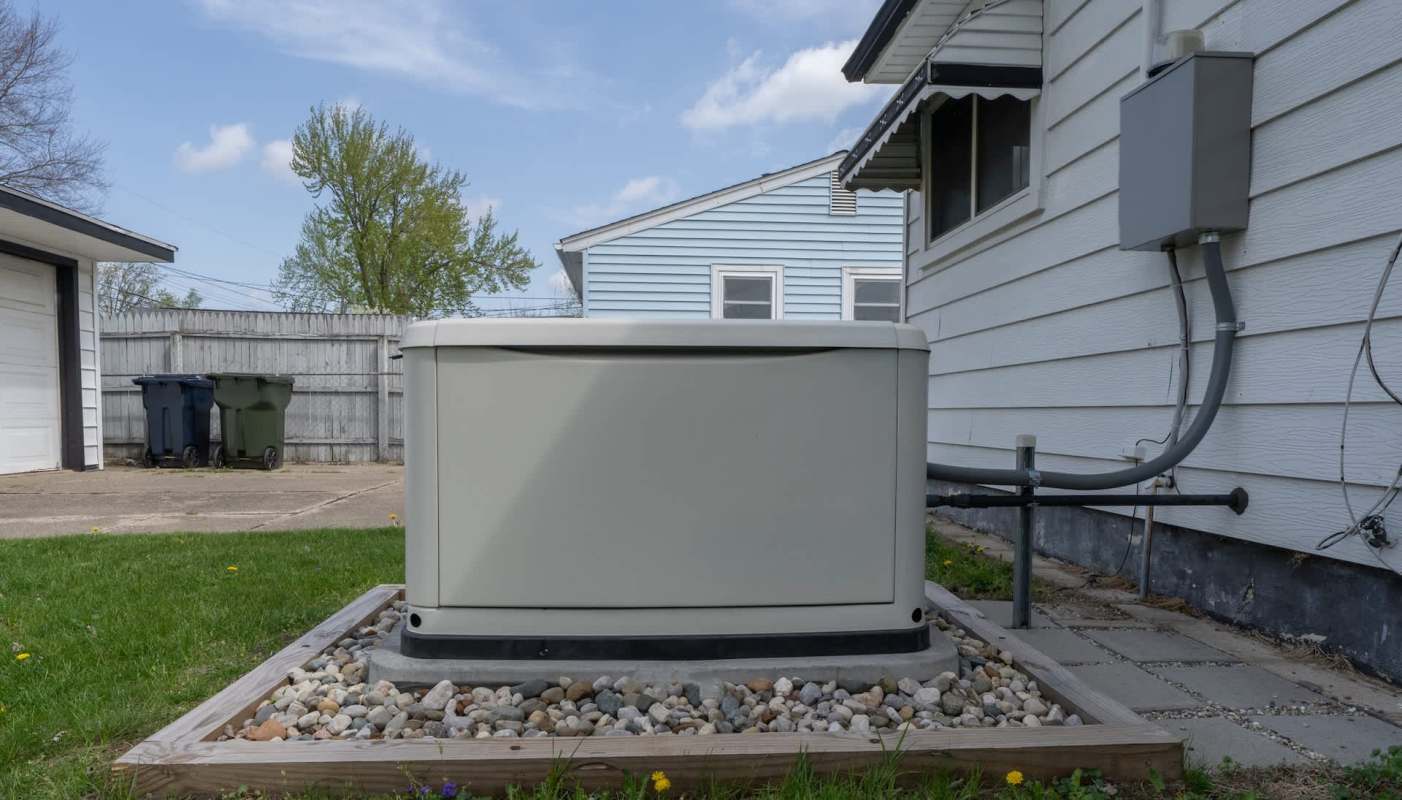
A camper hoping for a quiet weekend in the woods got an unpleasant surprise after upgrading to a larger generator. What was marketed as a 60-decibel unit ended up sounding, to them, much more like a small motorcycle once real appliances were running.
What's happening?
In a Reddit post, the camper said their new generator seemed far louder than expected at a campground.
"It was advertised as 60db but when I run the ac and the microwave it is as loud as a dirtbike almost," they wrote.
The noise inside the RV was part of the complaint: the poster said the unit measured "65 db from inside the camper without the ac on even," adding that at idle "it would be pretty loud while sleeping." They said this was their first step up from a 1,800-watt generator and asked whether all "quiet" generators are like this in practice.
Some commenters said the published decibel number typically reflects a controlled test rather than campground conditions.
The discussion also turned to inverter generators. Commenters noted that they can sound much quieter when demand is light because they can throttle down, though under heavier use, even a quieter gas model may end up far louder than its advertised rating.
TCD Picks » Quince Spotlight
💡These best-sellers from Quince deliver affordable, sustainable luxury for all




Why does it matter?
When looking at a product page, a single decibel figure may not reflect how a machine sounds in everyday use. A generator that seems reasonable while idling can become much more disruptive once larger appliances kick on.
When at campgrounds, noise can affect sleep and stress levels. If a generator sounds loud from inside an RV, it may be even more noticeable to people staying in surrounding campsites.
More campers are exploring quieter electric alternatives, including battery power stations, solar-assisted charging setups, and more efficient appliances that reduce peak demand.
What can I do?
Look beyond the advertised decibel figure and check the testing conditions. A rating taken at low load from a set distance may reveal very little about what the machine will sound like when your RV air conditioner starts cycling.
You can also think carefully about your actual power needs. For example, running the microwave and AC at the same time can push a generator into its loudest operating range. Staggering appliance use, adding a soft-start device to an RV AC, or choosing more efficient equipment may allow you to get by with a smaller unit that burns less fuel and runs more quietly.
In addition, it might be worth considering a battery-based setup. While upfront prices vary, you can save money by avoiding gasoline purchases and routine engine maintenance. The added benefits are near-silent operation and no exhaust drifting through camp.
If a gas model still makes the most sense for your personal needs, an inverter generator may be worth comparing side by side with a conventional unit, especially if your typical loads are modest rather than constant and heavy.

Get TCD's free newsletters for easy tips, smart advice, and a chance to earn $5,000 toward home upgrades. To see more stories like this one, change your Google preferences here.







