


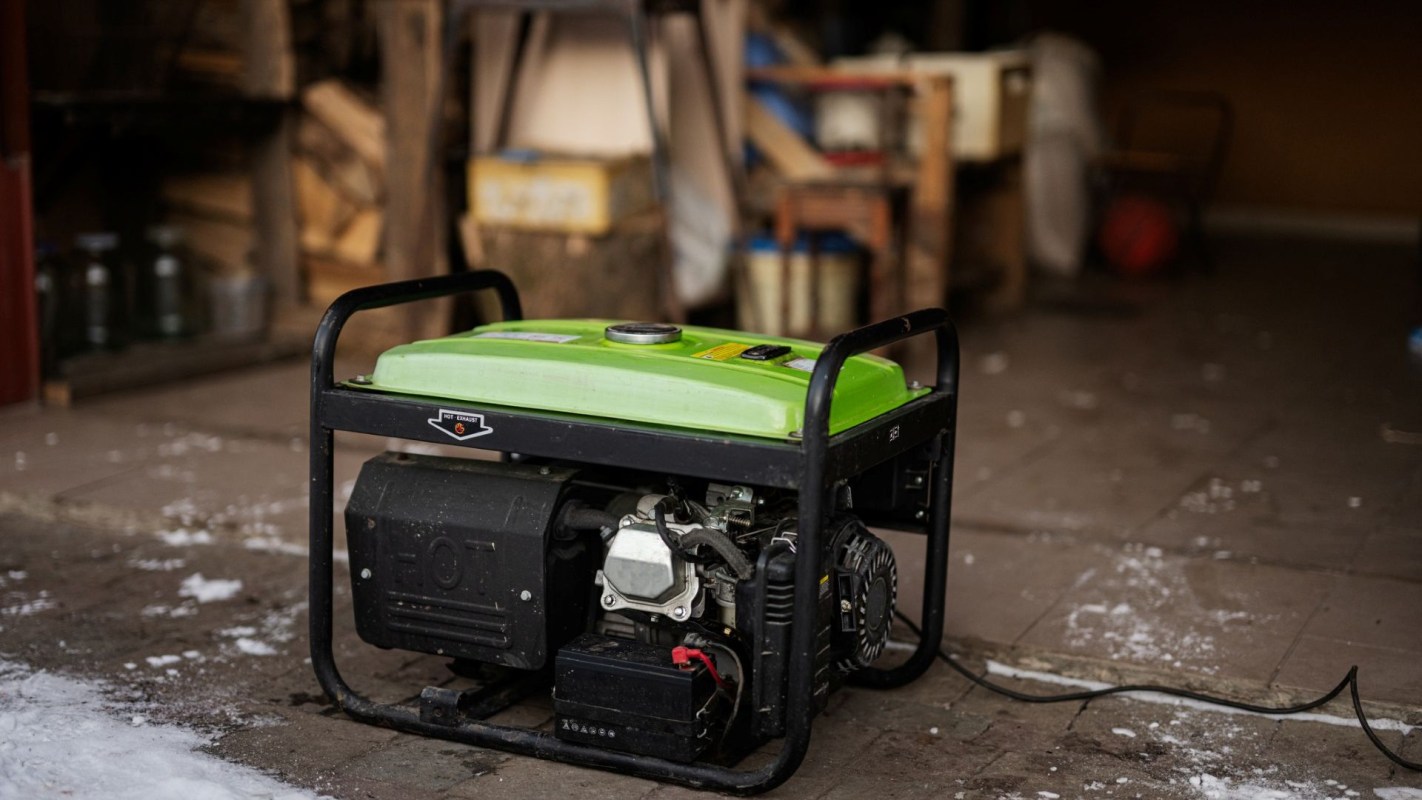
A small piece of generator gear is sparking a big debate among homeowners searching for quieter backup power. So-called "zombie boxes" — aftermarket enclosures designed to muffle generator noise — are drawing scrutiny from users who worry the trade-off could have hidden risks, including reduced airflow, more difficult access for maintenance, and even warranty complications.
What's happening?
On a Reddit discussion, the conversation focused on whether buying one of these covers is worth the expense. The original poster said the products are promoted as a way to cut generator noise, but questioned whether they could also limit the airflow that standby units need to stay cool.
Commenters then discussed the tradeoff between reduced noise and the chance of overheating, while also raising questions about whether the add-on could run afoul of Generac's published clearance guidance.
As the original poster put it, "Cards on the table, I'm not a fan. I think they're a waste of money and annoying to work around." They added that the boxes "violate the minimum clearances from the Generac manufacturer."
Crushed by your bills? See instant solar savings from vetted installers in just a few clicks With energy prices through the roof, there's never been a better time to go solar — and EasyHome can help you find the best prices from the best installers in your area. EasyHome takes the guesswork and headaches out of energy upgrades by showing you estimated savings from a network of vetted local partners. To get started, just enter your ZIP and share a few details about your home — seeing your estimate is really that easy. |

Multiple comments expressed that it would be a better deal to DIY their own generator cover if done safely. One user expressed their opinion on whether zombie boxes are worth the money in a direct yet humorous way: "They decrease noise and lighten your wallet."
A quieter generator may sound appealing, but not if it creates new problems during the very outage it is meant to help you through.
Why does it matter?
Backup generators are expensive to buy, install, fuel, and maintain, so accessories that do not clearly improve performance can quickly turn into a frustrating added expense. If a sound enclosure also makes servicing harder or reduces safe spacing, homeowners could end up paying more upfront while increasing the risk of repairs later.
Going solar is one of the best ways to save money on home energy, especially for homeowners comparing the costs of generators, fuel, and backup systems. Free tools from EnergySage can help you get quick solar installation estimates, and EnergySage also lets you compare quotes from installers to see what makes the most financial sense for your home.
Some homeowners are looking beyond gas-powered backup systems altogether. Solar paired with battery storage can provide quieter resilience without the ongoing fuel costs and noise concerns that often come with generators — and EnergySage can help homeowners compare vetted installers and find affordable quotes to make the switch.
It can also be one of the best ways to protect your home during outages, save money on energy, and move closer to going off grid. One report even found that solar projects paired with battery storage accounted for 91% of all new U.S. power capacity added in the first quarter of 2026.
Battery storage can also provide backup power without the noise, exhaust, and fuel storage issues that often come with generators. Homeowners can explore free tools from EnergySage to learn more about home battery storage options, including competitive installation estimates.
What can I do?
If you already own a generator, check your manufacturer's clearance requirements before adding any aftermarket enclosure. Homeowners may also want to ask their installer or service technician whether a product could affect airflow, maintenance access, or warranty terms before spending money on it.
More From EnergySage
💡Go deep on the latest news and trends shaping the residential solar landscape
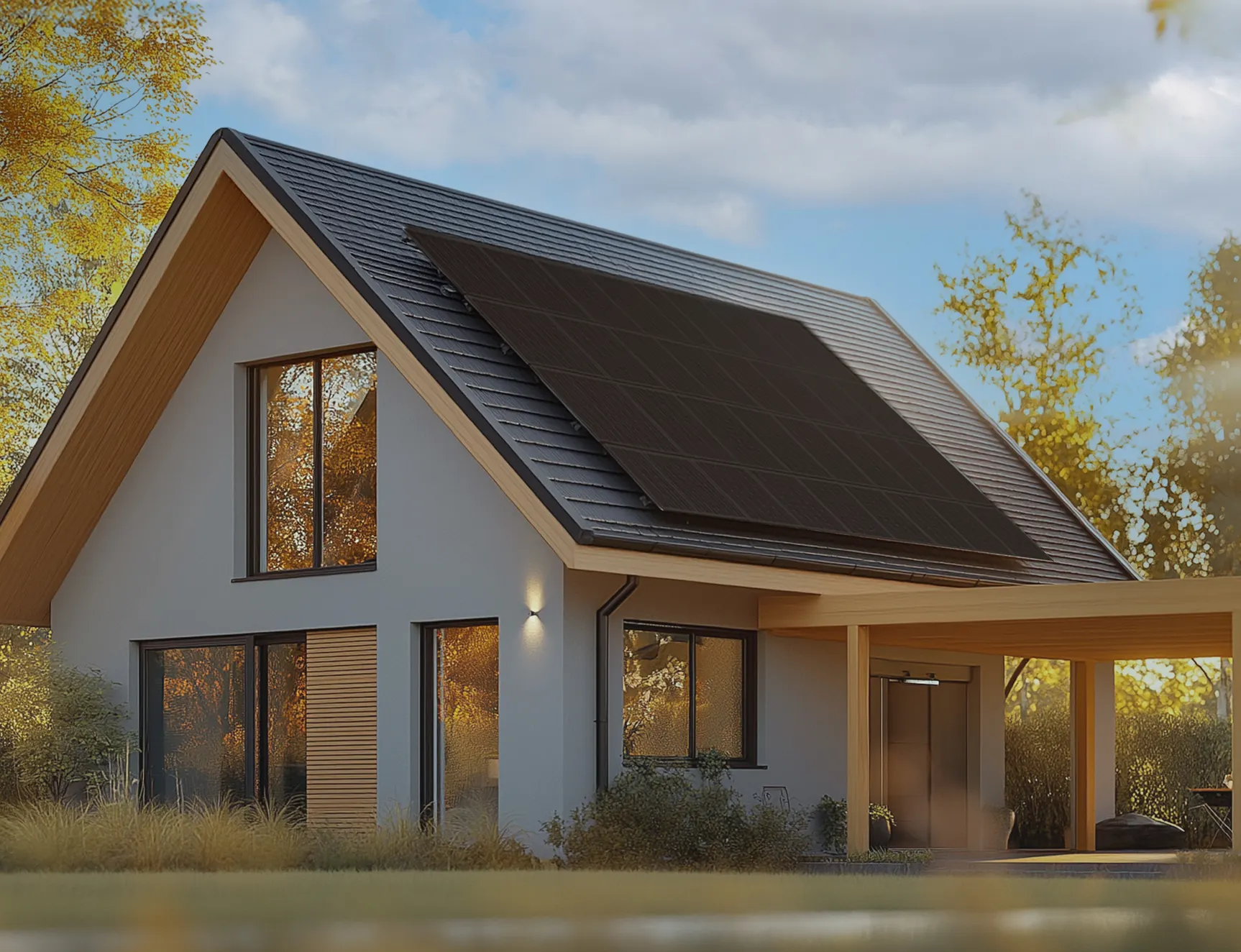
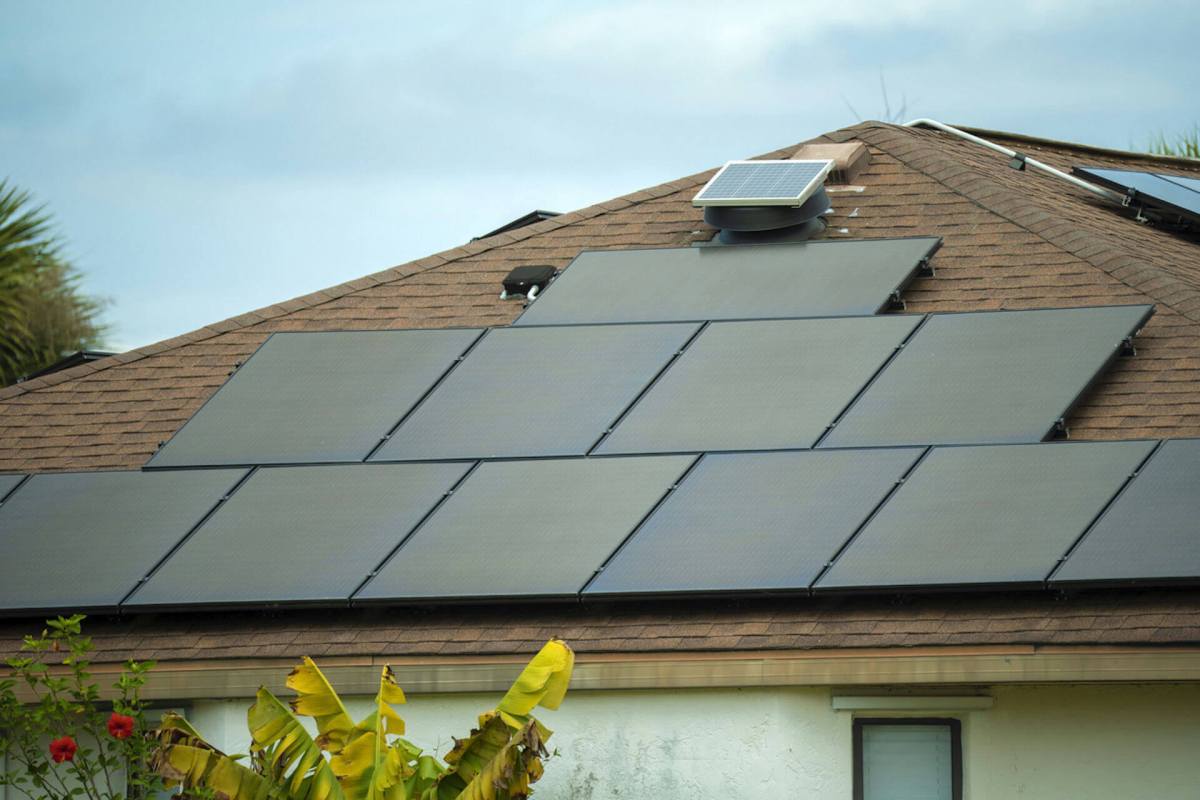

For homeowners exploring alternatives, EnergySage's solar map allows users to see the average cost of a home solar panel system on a state-by-state level, along with details on solar panel incentives in each state. Together, those resources can help readers get the best price for rooftop solar panels and access available incentives.
EnergySage's services are free for shoppers, which matters when comparing major home upgrades. With EnergySage's tools and services, the average person can save up to $10,000 on solar purchases and installations, making it easier to weigh whether investing in cleaner backup power could be a better option than spending more on generator add-ons.

Get TCD's free newsletters for easy tips, smart advice, and a chance to earn $5,000 toward home upgrades. To see more stories like this one, change your Google preferences here.






