


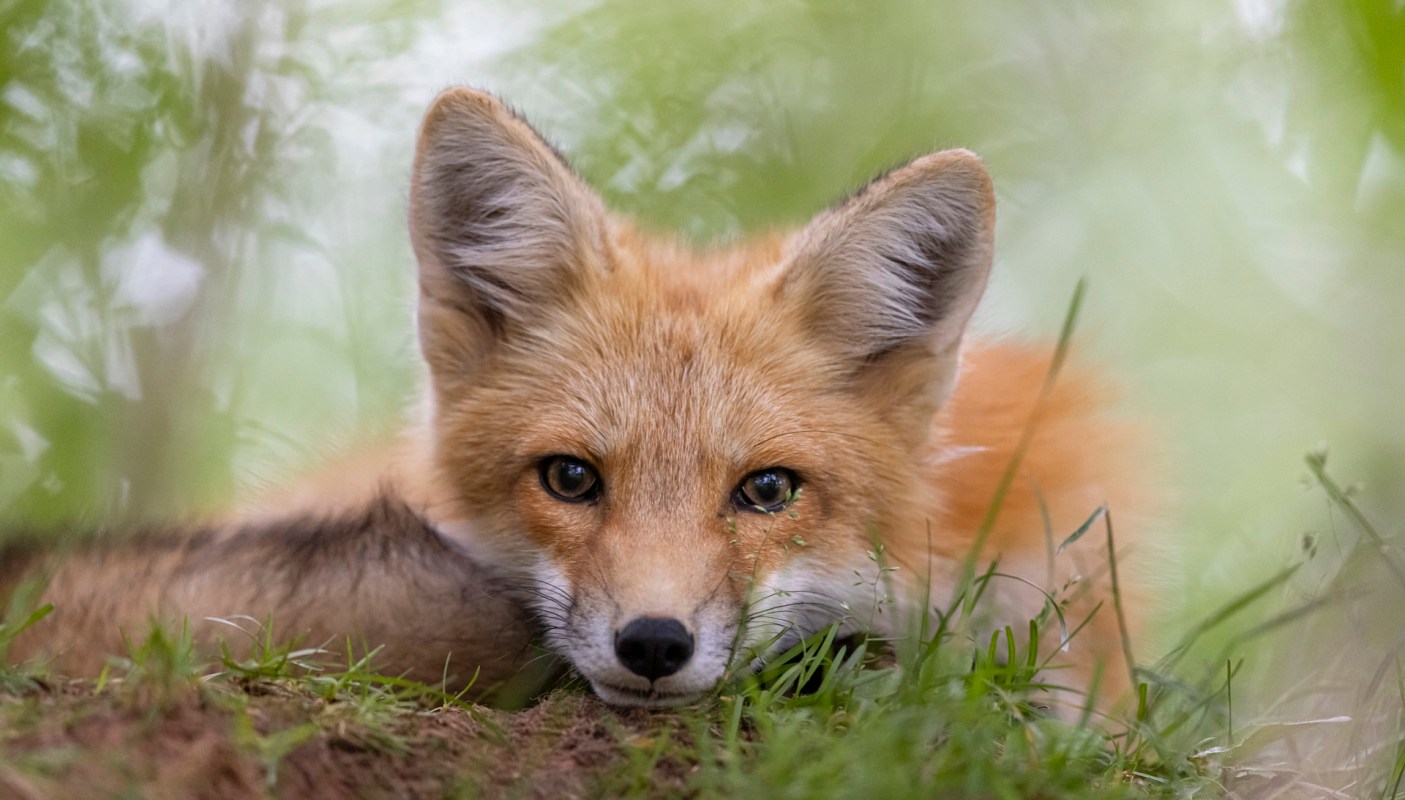
A wildlife rescue center in the U.K. recently shared how a fox cub found itself in a dangerous situation after slipping into a hot recycling bin.
What happened?
In first-person footage shared by Wildlife Aid (@wildlifeaid) on Instagram, rescuer Louis climbs into the deep metal container to reach a fox cub that had fallen several feet.
"Catching up with the agile cub was no simple task," Wildlife Aid wrote in its caption. "While he effortlessly hopped across the sharp scrap metal, Louis had to carefully pick his way over the hazardous terrain to reach him."
In the video, Louis stated: "We've got a little fox cub that's fallen down into one of the large skips, containers they have there. We do have to worry about what's inside, injuries to the animal, injuries to us potentially, so we're heading over there now to see how we can help."
After Louis safely secured the cub, Wildlife Aid said he checked the animal over and found no injuries. The fox was released in a nearby field and ran off "as though nothing had ever happened."
Why is this concerning?
These types of rescues are unfortunately common with how everyday infrastructure can become dangerous for wild animals in ways people may never notice. Open containers like the one the fox cub fell into can trap curious young animals that are still learning how to navigate the world.
TCD Picks » Quince Spotlight
💡These best-sellers from Quince deliver affordable, sustainable luxury for all




Fox cubs are especially vulnerable because they are active, exploratory, and small enough to slip into tight spaces. Even when they avoid visible injuries, prolonged exposure to sharp debris or stress can quickly become serious.
One commenter wrote, "Thank you for saving him!"
Another person said, "Bless you for caring in a world of hate."
What's being done?
While this fox cub is safe now, there are still other ways to prevent accidents like this from happening in the first place.
Businesses and property managers can reduce risks by keeping lids closed when possible and adding escape ramps or other safeguards in places where wildlife is common.
People who find trapped wildlife should avoid climbing into dangerous spaces or trying to handle an animal without training. Contacting a local wildlife rescue organization is usually the safest move for everyone involved.
You can also take local action in many ways like donating to climate and wildlife causes to help them continue their crucial work.

Get TCD's free newsletters for easy tips, smart advice, and a chance to earn $5,000 toward home upgrades. To see more stories like this one, change your Google preferences here.







