


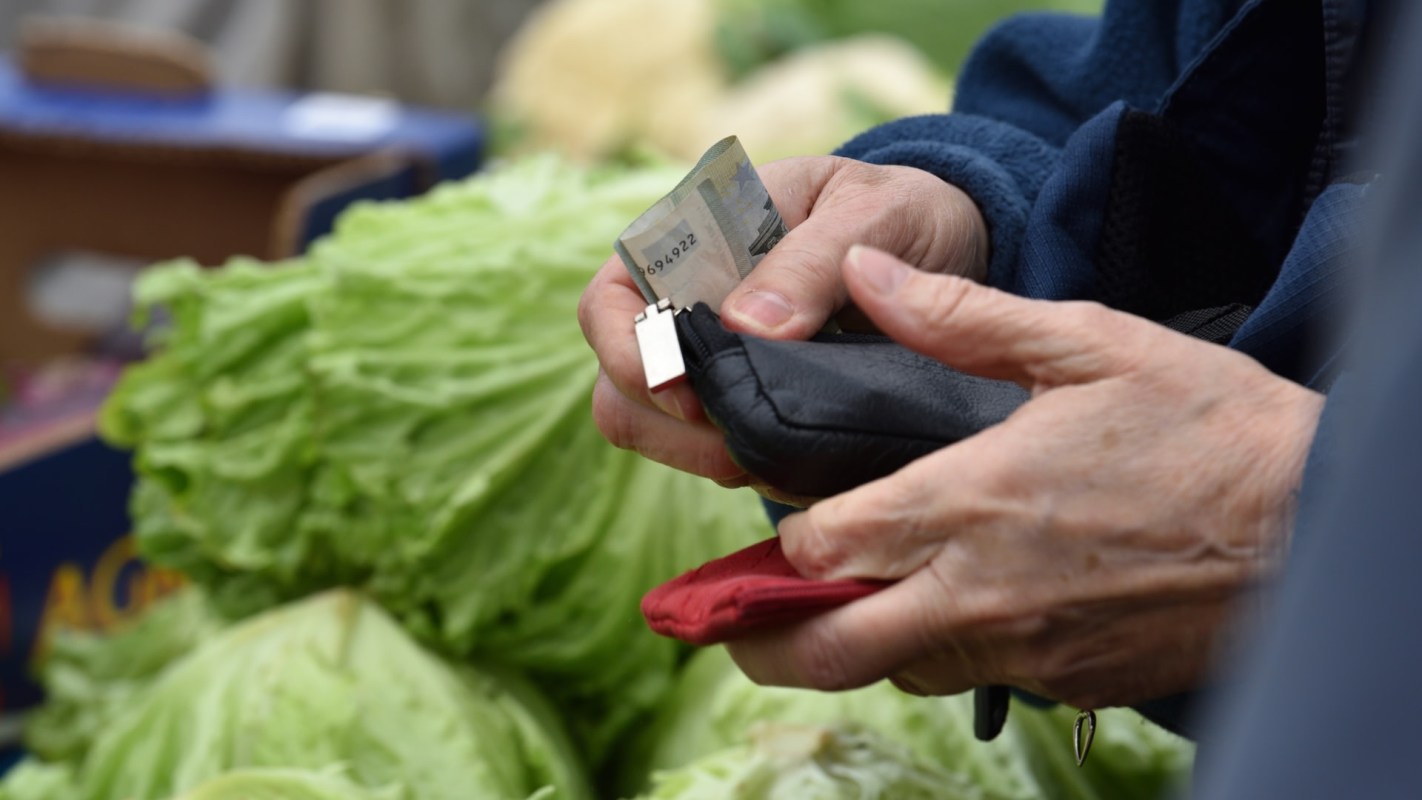
Frosts, droughts, and damaged harvests are sending grocery bills soaring in Turkey, and it's a warning sign for us all, reports The Hurriyet Daily News.
What's happening?
Extreme weather is taking a serious toll on Turkey's food supply, and it's hitting people directly at the checkout counter.
In August, the consumer price index for Turkey, which is transitioning to the spelling of Türkiye, rose by 2.04%, far above expectations. A major reason? Food and non-alcoholic beverages alone added nearly a full percentage point to that figure, according to the Turkish Statistical Institute (TUIK).
This spike in food prices follows a wave of agricultural damage caused by back-to-back climate shocks. Widespread frost earlier this year, in February, March, and April, severely impacted citrus fruits, grapes, apricots, cherries, and even key export crops like hazelnuts and pistachios.
Then came drought, drying up harvests of cereals, legumes, and sunflowers.
Government officials have acknowledged the severity of the situation. Treasury and Finance Minister Mehmet Simsek confirmed food prices have risen well above historical averages due to weather-related crop failures.
Central Bank Governor Fatih Karahan also pointed to drought as a continuing driver of food inflation.
Why is this concerning?
Higher grocery bills affect everyone, but especially lower-income households already stretched thin. When essential food items become more expensive, families are forced to make hard choices. A bag of fruit, a bottle of cooking oil, or a loaf of bread becomes less affordable.
And the effects may not be short-term. As Baki Remzi Suiçmez, president of Turkey's Chamber of Agricultural Engineers, warned, if critical practices like irrigation and pruning are delayed, the damage from frost and drought could linger for years.
This means more price instability and longer-term pressure on household budgets.
TCD Picks » Quince Spotlight
💡These best-sellers from Quince deliver affordable, sustainable luxury for all




|
What is the biggest reason you don't grow food at home? Click your choice to see results and speak your mind. |
 Not enough time ⏳
 What's more, climate-driven food inflation stalls progress toward a safer, more sustainable future. When families struggle to afford basic needs, it's harder to prioritize climate-friendly choices.
It becomes a cycle: climate change disrupts food systems, and those disruptions make it harder to fight climate change.
What can I do to help?
Supporting resilient agriculture is key. That means advocating for policies that help farmers adapt to a changing climate — through better irrigation, crop planning, and local infrastructure.
At home, buying local, reducing food waste, and staying informed can also make a difference.
The climate crisis isn't just an environmental issue; it's on your plate, in your grocery bill, and at the heart of communities worldwide.

Join our free newsletter for good news and useful tips, and don't miss this cool list of easy ways to help yourself while helping the planet.
Cool Picks






