


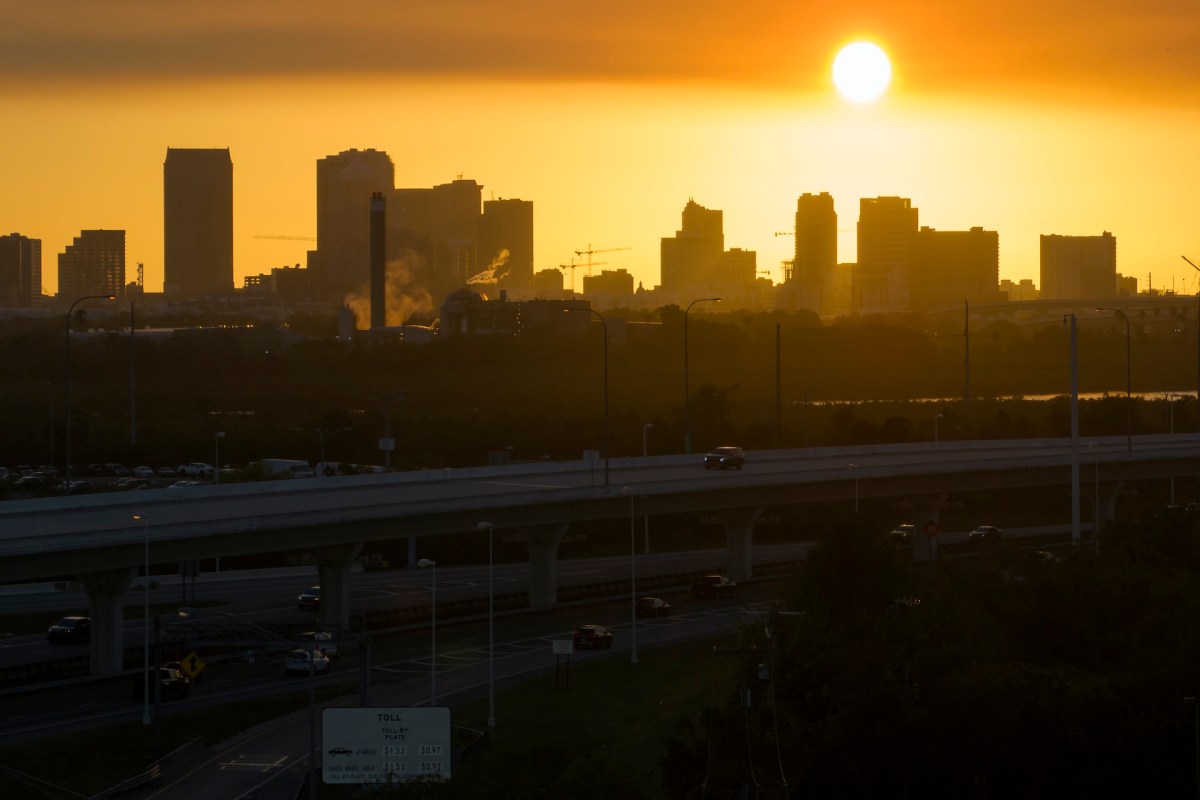
Millions of Americans face water restrictions in a region famous for afternoon showers and lush habitat.
What's happening?
Florida is usually the land of "don't forget your umbrella," where storms can roll in out of nowhere and drench a whole neighborhood.
Lately, though, the familiar pattern has slipped. A long, stubborn dry stretch has pushed millions of Floridians under new water restrictions as large portions of the state slide deeper into drought, WMNF reported.
Much of the state — especially the Southwest — is dealing with drought after months of disappointing rainfall.
Tampa Bay's wet season barely showed up at all. September brought in less than two inches of rain — more than six inches short of what's normal, Tampa Bay Water's chief science officer Warren Hogg told WMNF.
Lower rainfall is showing up everywhere — rivers, lakes, and aquifers aren't getting the refill they need. The Southwest Florida Water Management District responded by rolling out tighter rules on outdoor watering and urging people to be careful with every gallon.
Perk up the winter blues with natural, hemp-derived gummies Camino's hemp-derived gummies naturally support balance and recovery without disrupting your routine, so you can enjoy reliable, consistent dosing without guesswork or habit-forming ingredients. Flavors like sparkling pear for social events and tropical-burst for recovery deliver a sophisticated, elevated taste experience — and orchard peach for balance offers everyday support for managing stress while staying clear-headed and elevated.
Learn more → |

"Only use what you need to use in your home and outdoors, and save what you can," Hogg said. "It saves you money, and it stretches our water supplies."
According to The Palm Beach Post, a strengthening La Niña pattern is lining up a warmer, drier winter, which isn't helping the state recover.
Why are water shortages concerning?
Dry years have always come and gone, but now they're hitting harder and lasting longer.
Scientists say long-term warming is making these dry spells more intense, pulling moisture from the ground faster, and disrupting the water cycles communities rely on, so supplies take longer to recover.
TCD Picks » Upway Spotlight
💡Upway makes it easy to find discounts of up to 60% on premium e-bike brands





|
Do you take steps to conserve water at home? Click your choice to see results and speak your mind. |
 All the time 😎
 It's not just about low reservoirs. Long, dry stretches leave more brush ready to burn, make life tougher for farmers trying to keep crops alive, and push up the cost of everyday essentials.
Across the country, people are trying new approaches to ease the pressure. Some researchers are mapping soil moisture to help farmers save water, while in California, scientists are experimenting with fog-water systems that turn mist into usable water.
What's being done about it?
Florida officials are leaning on regional water restrictions to keep supplies stable, and communities are adding their own fixes — from better leak detection to expanded reclaimed-water programs and more native, drought-tolerant landscaping.
Residents could do their part in simple ways — watering lawns less often, fixing leaks when they pop up, and waiting until the dishwasher or washing machine is actually full before running it.
Small changes stack up fast, easing pressure on strained systems and helping communities stay steadier the next time the forecast comes up dry.

Get TCD's free newsletters for easy tips to save more, waste less, and make smarter choices — and earn up to $5,000 toward clean upgrades in TCD's exclusive Rewards Club.
Cool Picks






