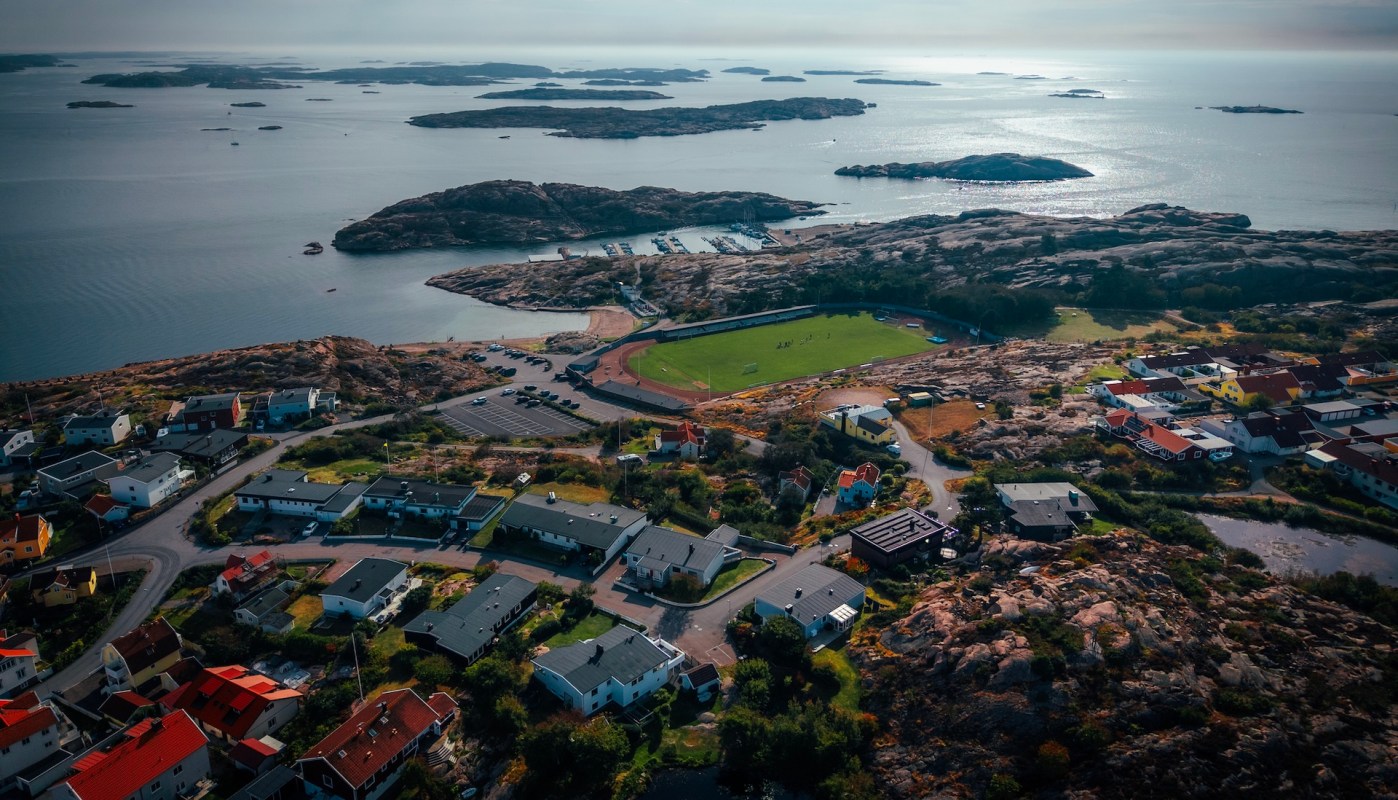
Fijian officials are planning to move entire communities because rising coastlines are endangering lives.
What's happening?
Air pollution from the continued burning of oil, coal, and gas is contributing to warmer global temperatures and, in turn, is melting land ice. The excess water is causing higher tides and coastal flooding. Miami is among the American cities being impacted, according to NASA.
In Fiji, populations have already been moved as the South Pacific nation of more than 300 islands weathers severe storms and flooding. In 2014, officials moved about 140 residents 1.2 miles inland at a cost of about $500,000. Additional relocations have happened since, with 50 more communities on the docket within the next decade, according to a study published by Communications Earth & Environment.
ZME Science has an even bigger estimate. It reported that 676 Fijian communities face relocation to avoid floods, landslides, and other calamities. Holdouts and cost are key challenges as villagers often face unwelcome news. As a result, officials work to gain community consensus and funding before moving ahead.
"The Fijian Government is committed to undertaking necessary relocations that are well-conceived, efficiently administered, and humanely executed," former Fijian Prime Minister Josaia Voreqe Bainimarama said in a planning document from 2018.
Why are the relocations important?
The costly uprooting of entire communities is a harrowing reality that more people around the world are expected to face. The World Economic Forum reported that a billion people are affected by rising seas.
TCD Picks » Upway Spotlight
💡Upway makes it easy to find discounts of up to 60% on premium e-bike brands





The Earth Journalism Network (@EarthJournalism) interviewed residents of Narikoso, Fiji, in 2020 as part of a report on the community's partial move.
"The portions of the village along the shoreline, including the hall, are in the designated red zone because they are all under sea level," a concerned resident said in the clip.
What's being done to help?
Well-planned relocations can save lives and property. Successful efforts consider livelihoods, culture, and ecosystems — lessons learned from the Narikoso project and other moves, according to research published by Asia Pacific Viewpoint.
The Fijian news might seem like far-off worries, but Miami and other American coastlines are evidence that tidal rise is happening stateside, too. Understanding what's causing the problem, and why it's important, can help you make well-informed decisions — even about your next move. Certain areas prone to flooding, for example, can have higher insurance premiums or limited coverage options.
TCD Picks » Quince Spotlight
💡These best-sellers from Quince deliver affordable, sustainable luxury for all




|
Do you feel safe drinking the tap water where you live? Click your choice to see results and speak your mind. |
 Always 👍
 In Fiji, New Zealand helped with relocation efforts by donating $5 million to a trust fund established for the issue. The money helped with the relocation of Nabavatu village last year, but more international help is needed for success, ZME reported.
"The world would do well to pay attention — not just to the challenges but to the solutions," Fermin Koop wrote for the publication.

Get TCD's free newsletters for easy tips to save more, waste less, and make smarter choices — and earn up to $5,000 toward clean upgrades in TCD's exclusive Rewards Club.
Cool Picks