


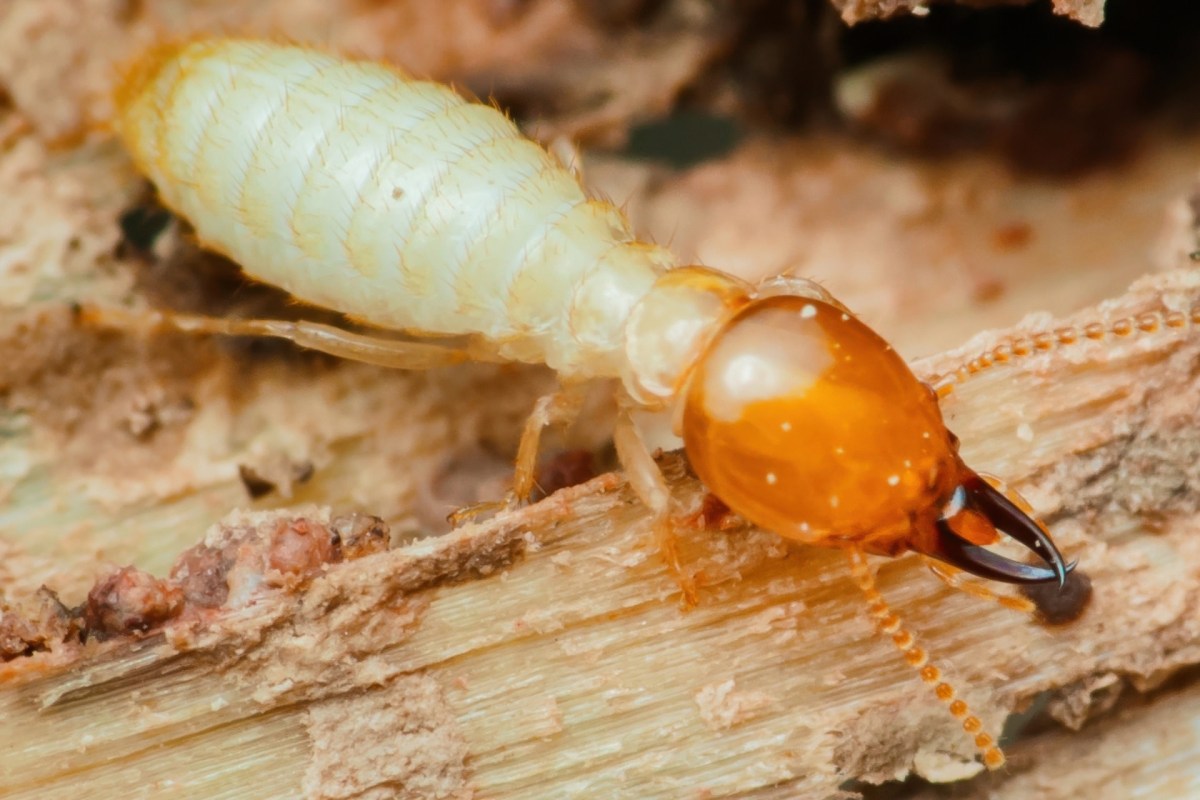
Officials in Fiji are sounding the alarm as the destructive Asian Subterranean Termite continues to spread across multiple regions, threatening homes, farms, and essential infrastructure. The invasive insect, known for devastating wooden structures and crops in tropical climates, is becoming harder to contain, prompting the government to escalate its response.
What's happening?
In an address to Parliament, Minister for Agriculture and Waterways Tomasi Tunabuna confirmed that Asian Subterranean Termites are now entrenched in residential, commercial, and agricultural areas. Tunabuna said the pests are destroying homes, utilities, public buildings, and farm structures — all while spreading rapidly through soil and infested materials, the Fiji Times reported.
"This pest is highly destructive, difficult to contain once established, and capable of causing intensive structural damage," Tunabuna warned. Infestations are also impacting food production and local livelihoods, with termites attacking crops, young trees, and farm infrastructure.
Because of the escalating threat, several regions have already been declared Biosecurity Emergency Areas under the Biosecurity Act 2008, restricting the movement of timber, soil, wooden furniture, produce, and other materials that could be hosting termites.
Why is the termite spread concerning?
Invasive species can jeopardize public health and food security while unraveling entire ecosystems. When an invader like this takes hold, it outcompetes native species, harms soil health, threatens farmers' ability to produce food, and creates risks for families already struggling with housing costs.
The termite can hollow out structures from the inside, making it especially dangerous for homeowners, who may not discover damage until it's too late. As officials point out, long-term losses could threaten rural incomes and community resilience. What's worse, these are the very challenges many regions are already facing as rising global temperatures strain ecosystems.
We've seen similar ecological threats, such as European green crabs overrunning coastal waters and invasive trees fueling tick-borne illnesses. These are great examples of how quickly non-native species can spread and how early action is important to protect communities.
What's being done about the termite crisis?
Fiji's government is rolling out a multipronged strategy that includes enhanced surveillance, targeted baiting programs, and public training and awareness. There are also stricter quarantine rules limiting the transport of timber, soil, and other termite-hosting materials, as well as research partnerships coordinating with local and international experts to develop long-term solutions.
Officials are also working closely with local councils and community leaders to form a response that prioritizes vulnerable neighborhoods and farming communities. Residents can help slow the spread by avoiding moving untreated wood and reporting suspicious damage right away.
For readers looking to understand how these threats fit into broader environmental challenges, learn more about critical climate issues and how you can help.
TCD Picks » Upway Spotlight
💡Upway makes it easy to find discounts of up to 60% on premium e-bike brands





|
Do you worry about having toxic forever chemicals in your home?
Click your choice to see results and speak your mind. |
 Majorly 😥
Get TCD's free newsletters for easy tips to save more, waste less, and make smarter choices — and earn up to $5,000 toward clean upgrades in TCD's exclusive Rewards Club.
Cool Picks






