


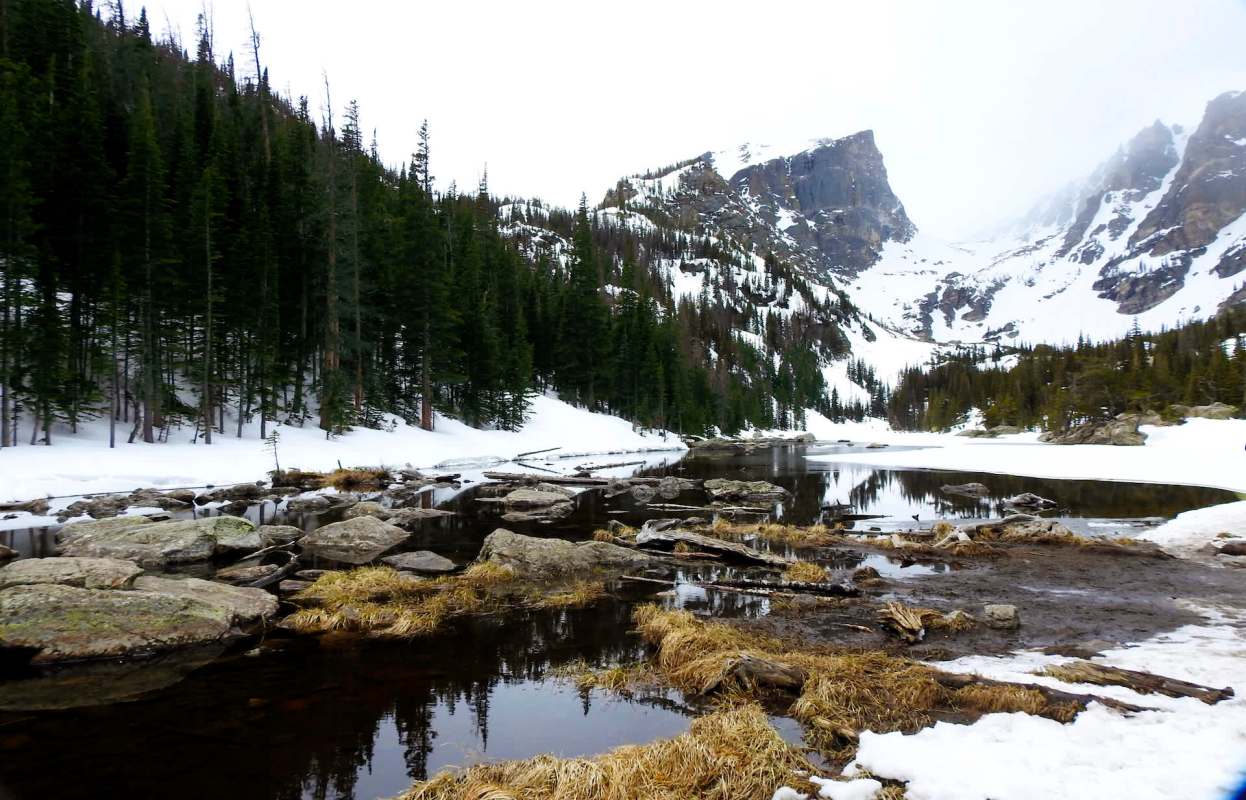
A female gray wolf died in Rocky Mountain National Park just months after being reintroduced to Colorado as part of the state's restoration effort, reported The Sacramento Bee.
What happened?
The wolf, known as 2514-BC, was found dead on April 20 after biologists received a mortality alert from her radio collar. She was part of a group of 15 gray wolves brought from British Columbia and released in Eagle and Pitkin counties in January.
The U.S. Fish and Wildlife Service is investigating the death because gray wolves have federal protection under the Endangered Species Act. State officials have not determined the cause of death pending the investigation and necropsy.
This marks at least the sixth death among Colorado's reintroduced wolves. Previous deaths have been linked to natural causes and intentional killings, including federal officials killing a Colorado wolf in Wyoming in March after it killed sheep.
"Wolf survival in Colorado is within normal margins for a wolf population in the Rocky Mountains," the state wildlife agency stated.
On average, gray wolves in the Rocky Mountains live three to four years.
Why is this wolf's death concerning?
These deaths threaten the success of Colorado's historic wolf restoration program. Wolves are a keystone species. They help maintain healthy ecosystems by controlling deer and elk populations, which prevents overgrazing and allows vegetation to recover.
Losing female wolves is particularly troubling, as they play a crucial role in expanding the population. Colorado voters approved wolf reintroduction in 2020, but the program's success depends on wolves surviving long enough to establish stable packs.
Wolves disappeared from Colorado by the 1940s after settlers hunted their prey and then targeted the wolves themselves when they turned to livestock. Their absence disrupted natural ecosystems for decades.
"It's heartbreaking to learn about the passing of this Colorado wolf, one of the precious few reintroduced female wolves," Alli Henderson from the Center for Biological Diversity told The Colorado Sun.
TCD Picks » Quince Spotlight
💡These best-sellers from Quince deliver affordable, sustainable luxury for all




|
Do you think America has a plastic waste problem? Click your choice to see results and speak your mind. |
 Definitely 👍
 What's being done about wolf restoration?
Colorado Parks and Wildlife factored wolf mortality into its restoration plan and continues working to establish a sustainable population.
The state has already completed two releases, bringing wolves from British Columbia to help rebuild Colorado's population.
Wildlife officials expected wolves to naturally return to places like Rocky Mountain National Park once they were reintroduced to the state. Last summer, a reintroduced wolf from Oregon spent time in the park, marking the first documented wolf presence there in 109 years.
If you support wildlife conservation, contact your representatives and voice your support for policies that protect reintroduced species. You can also help organizations working on wolf restoration through donations or volunteer work.

Join our free newsletter for good news and useful tips, and don't miss this cool list of easy ways to help yourself while helping the planet.
Cool Picks




