


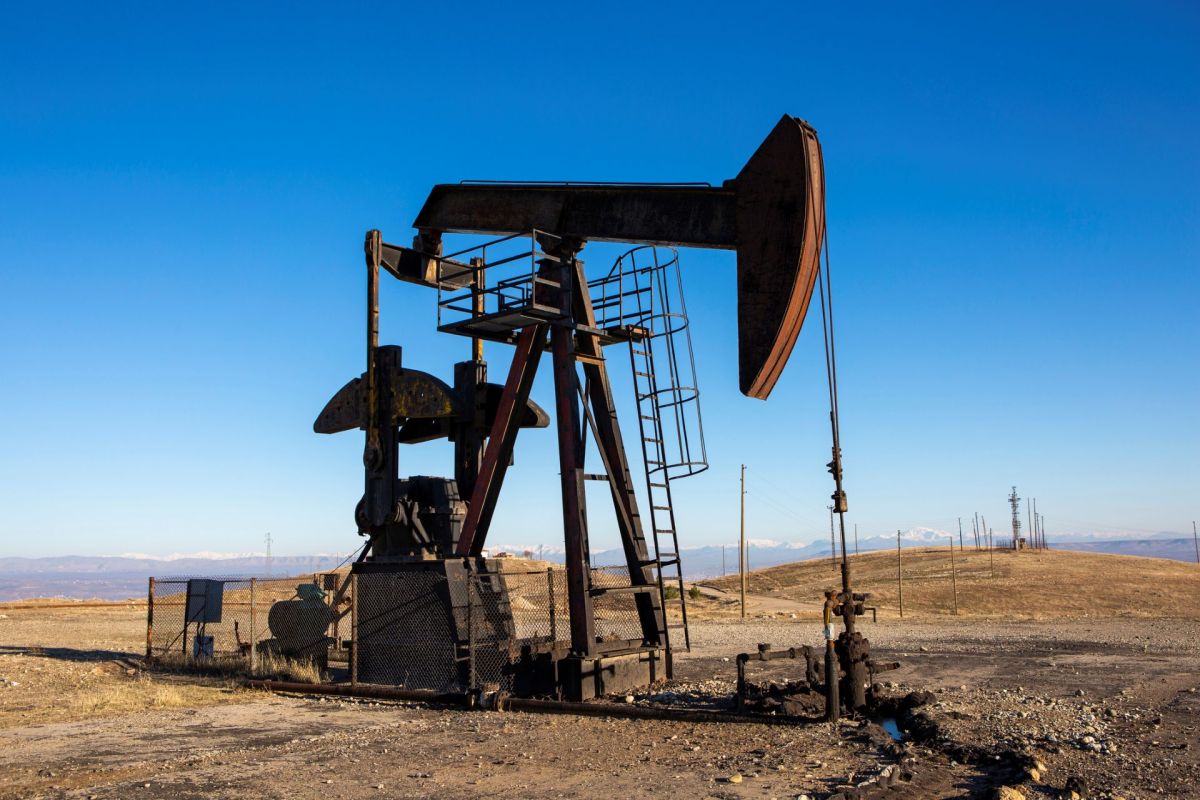
A federal oil and gas lease sale covering land in Texas and New Mexico just set a U.S. record for an onshore federal auction. It brought in more than $4 billion.
What happened?
According to World Oil, the U.S. Department of the Interior said that a Bureau of Land Management quarterly sale brought in about $4.01 billion in preliminary bonus bids and rental payments. The auction covered 74 parcels across 33,530 acres in parts of New Mexico and Texas.
Officials described it as the biggest onshore federal lease sale in U.S. history. The previous record was about $972 million in 2018.
Federal oil and gas leases start with a 10-year term. They stay active as long as oil or gas is produced in paying quantities.
Domestic oil production is getting a boost from the Working Families Tax Cuts Act, which cut the royalty rate for new onshore production to 12.5% from the Inflation Reduction Act's 16.67% rate. The rate was lowered to encourage more domestic leasing and drilling.
World Oil stated that this movement comes as the government aims to aggressively expand drilling in the Permian Basin. The basin is one of the nation's most active fossil fuel regions.
TCD Picks » Quince Spotlight
💡These best-sellers from Quince deliver affordable, sustainable luxury for all




Why does this federal oil sale matter?
The sale proves that companies are willing to pay a large sum of money to lock in future drilling rights on public land. It's also a sign that oil and gas drilling in the Permian is likely to remain for years to come.
This has raised nuanced concerns about what this could mean for communities. While energy security is essential, the fossil fuel industry is a core driver of air pollution, intensifying extreme weather disasters that destroy homes, livelihoods, and local economies.
The industry also contributes to air and water pollution linked to health issues and premature death. What's more, many households continue to face high energy costs as corporate profits climb.
Expanded drilling can bring jobs and state revenue. But it also means more industrial activity near neighborhoods and greater noise and air pollution.
It also poses a risk to investments in cleaner, often cheaper, energy alternatives that could lower bills and improve health over time.
At the federal level, the Trump administration is trying to make oil and gas development more attractive on public land.
For states where drilling occurs, the immediate benefit is revenue sharing. The tradeoffs involving pollution, public health, and climate risk, however, remain substantial.
For now, Interior Secretary Doug Burgum praised the result, saying, "America is sitting on some of the richest energy resources in the world, and President Donald J. Trump is committed to putting those resources to work for the American people."

Get TCD's free newsletters for easy tips, smart advice, and a chance to earn $5,000 toward home upgrades. To see more stories like this one, change your Google preferences here.







