


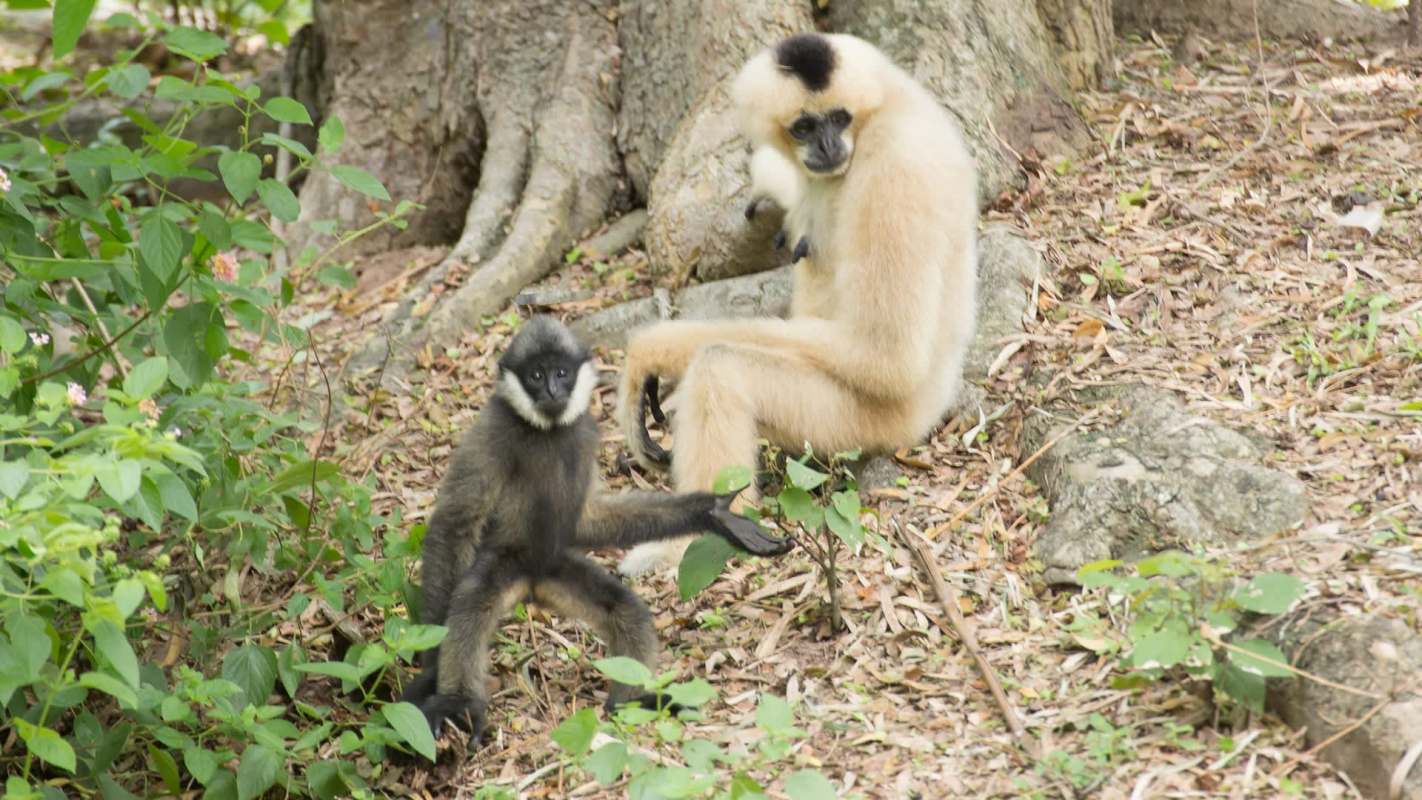
Exotic pet demand is speeding up the decline of gibbons in Southeast Asia, and conservationists say the trade in baby apes is tearing families apart while pushing some species closer to extinction, according to the Guardian.
What's happening?
In Thailand, Laos, and Malaysia, demand for infant gibbons is driving a brutal pipeline in which young animals are taken from the wild, with their mothers often killed in the process.
At Thailand's Omkoi Wildlife Sanctuary, a rescued infant lar gibbon named Chokdee has become a painful illustration of the crisis. A wildlife officer caring for him said his name means "good luck."
Conservationists say baby gibbons are believed to be removed from the wild by the thousands each year for illegal pet sales, and obtaining a baby like Chokdee usually comes at a deadly cost.
The result is an ongoing population decline in parts of Southeast Asia, caused by human demand for exotic pets.
Why is exotic pet demand concerning?
Gibbons play an important role in the wild, including helping sustain healthy forests.
TCD Picks » Quince Spotlight
💡These best-sellers from Quince deliver affordable, sustainable luxury for all




When species disappear, forests can become less resilient, creating problems for biodiversity and for people who depend on healthy natural areas for clean water, food systems, and local livelihoods.
In that sense, the exotic pet trade does more than harm individual animals; it also weakens progress toward a healthier, more stable future.
Populations also struggle to recover.
The species' strong family bonds are part of what makes gibbons especially vulnerable. They typically live in close family groups, with lifelong monogamous pairs and intensive parental care.
When one infant is taken, the trauma can spread across the entire group and across already fragile populations.
If the trade continues, some gibbon populations could be pushed beyond the point of recovery.
What's being done about exotic pet demand?
Wildlife officers and conservation groups are working to rescue surviving gibbons, care for confiscated infants, and crack down on poaching and illegal sales. Sanctuaries such as Omkoi are on the front lines, giving animals like Chokdee a chance to survive.
But rescue alone is not enough. The most important solution is reducing demand.
That means stronger enforcement against illegal wildlife trafficking.
It also means more public education, so people understand that a "cute" baby gibbon in a home is often the result of deadly violence in the wild.
Ultimately, the clearest path forward is one that keeps gibbons where they belong: in the forest, with their families, rather than in the hands of traffickers.

Get TCD's free newsletters for easy tips, smart advice, and a chance to earn $5,000 toward home upgrades. To see more stories like this one, change your Google preferences here.







