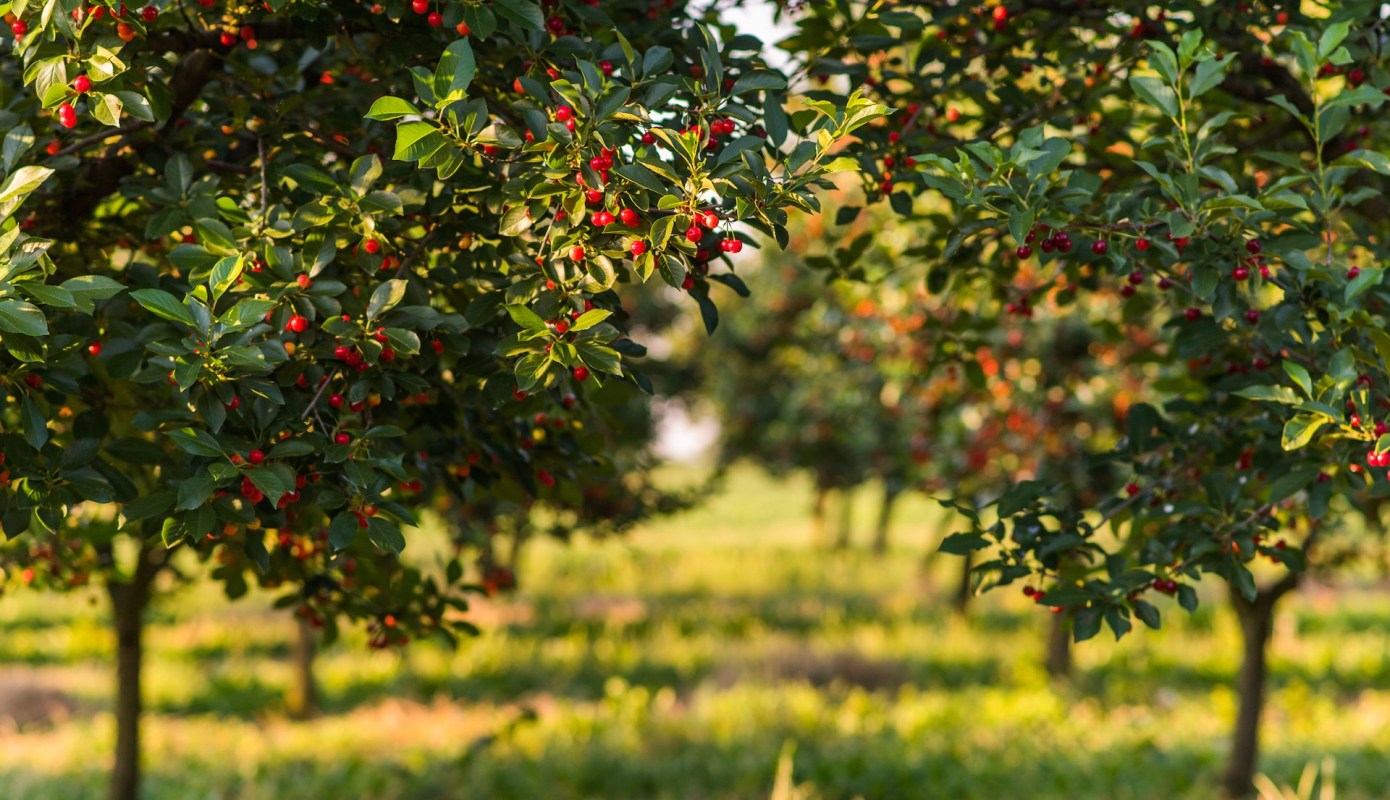
The European cherry fruit fly is an invasive pest making its presence known outside of its native continent.
What's happening?
According to WCAX, Ontario and parts of northwestern New York are being ravaged by this fly and its threat to cherry crops, turning healthy fruit into brown, mushy, inedible waste.
The Vermont Agency of Agriculture, Food and Markets is warning residents to keep an eye out for the European cherry fruit fly after it was detected in neighboring regions.
While it has not yet been found in Vermont, officials say prevention is key. Travelers are urged not to bring produce across borders, as this can introduce pests to new areas.
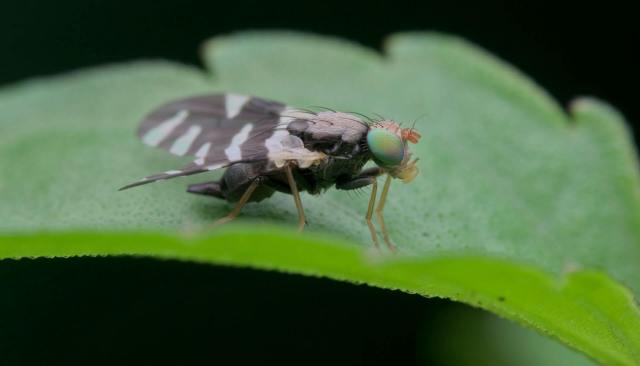
Larvae from these flies feed inside cherries, destroying the fruit's texture and appearance.
"All of us can work together to slow the spread of these types of introduced pests that were brought to this country by humans in the first place," said Emilie Inoue from the agency, per WCAX.
TCD Picks » Good Store Spotlight
Get 10% off your next purchase with code TCD10




Why is the European cherry fruit fly concerning?
Invasive species like the European cherry fruit fly can destroy native ecosystems by outcompeting local species for food, space, and other vital resources.
In this case, the pest threatens both commercial and backyard cherry harvests, which can put food supplies and farmer livelihoods at risk. But the damage isn't only economic.
Protecting native plants and agricultural crops also protects natural resources, limits the spread of plant diseases, and helps maintain biodiversity.
This is why similar threats, such as the spotted lanternfly outbreak and invasive water chestnut infestations, have also raised alarms about how quickly an unchecked species can overwhelm a region.
TCD Picks » Quince Spotlight
💡These best-sellers from Quince deliver affordable, sustainable luxury for all




|
Do you think your city has good air quality? Click your choice to see results and speak your mind. |
 Definitely 🥰
 What's being done about the European cherry fly?
Officials are asking residents to report any signs of infestation to Vermont Invasives, a state program dedicated to early detection and rapid response. Gardeners and farmers are encouraged to inspect fruit regularly, dispose of any infested produce safely, and avoid moving fresh cherries from one area to another.
More broadly, agricultural agencies across North America are monitoring and containing outbreaks through targeted pesticide treatments and public awareness campaigns.
People can help slow the spread of invasive pests by growing native plants in gardens, learning to identify and report suspicious insects, and following guidelines on transporting plants and produce.

Join our free newsletter for good news and useful tips, and don't miss this cool list of easy ways to help yourself while helping the planet.