


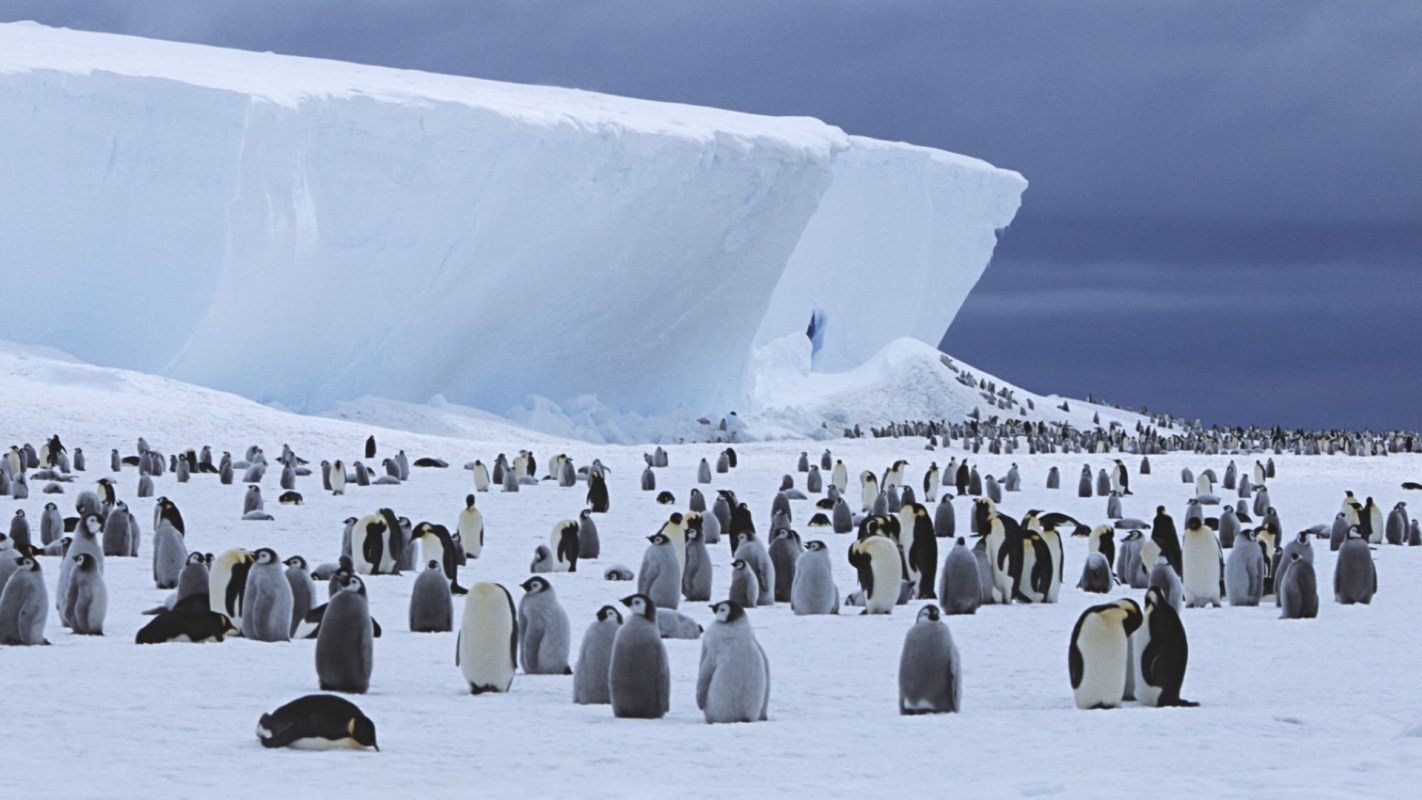
Countries governing Antarctica wrapped up this year's major treaty meeting without approving stronger legal protections for emperor penguins, despite mounting scientific warnings about the species' future.
For a bird that depends on sea ice to breed, the outcome was a stark reminder that climate diplomacy is still lagging behind climate reality, Oceanographic Magazine reported.
What happened?
This week, delegates met in Hiroshima for the 48th Antarctic Treaty Consultative Meeting.
One of the most closely watched proposals would have designated the emperor penguin as a specially protected species, a step that would have activated a binding set of coordinated conservation measures.
Earlier this year, the International Union for Conservation of Nature moved the emperor penguin to endangered status.
The Scientific Committee on Antarctic Research also warned that changes across Antarctic systems are "abrupt and accelerating," per Oceanographic Magazine, with the loss of sea ice — an essential breeding habitat for emperor penguins — described as "exceptional."
TCD Picks » Quince Spotlight
💡These best-sellers from Quince deliver affordable, sustainable luxury for all




Models suggest that under business-as-usual pollution, the species could face functional extinction by 2100.
Although only a small minority of parties opposed the measure, it still did not pass. Instead, countries left Hiroshima only reaffirming that protecting the species remains "a priority."
"The barometer is flashing red, yet critical protections are still being stymied by a small number of parties," said Rod Downie, WWF's Chief Adviser, Polar and Oceans. "The endangered emperor penguin is a stark reminder of how the climate and nature crises are intertwined. We must look now to next year's meeting in the Republic of Korea to deliver meaningful action to protect this icon on ice."
This meeting also fell flat on regulating tourism. Visitor numbers to Antarctica are rising fast, and talks moved toward a regulatory framework but produced nothing legally enforceable, leaving voluntary guidelines in place for now.
Why is this concerning?
This is about far more than one iconic species.
Emperor penguins are a visible sign of how quickly Antarctic ecosystems are shifting as the planet warms. When the sea ice they rely on disappears, it signals broader instability in one of Earth's most important climate buffers.
Scientists at the meeting warned that destabilization of the Antarctic ice sheet could drive higher sea levels, disrupt weather patterns, and increase global security risks. For coastal communities, that can mean worsening flood threats, more expensive infrastructure upgrades, and greater pressure on already strained disaster budgets.
The failure to act also shows how a small number of countries can slow progress toward a safer future for everyone. When governments delay strong conservation measures even after the science is clear, communities lose valuable time to prepare for worsening climate impacts.
In that sense, the outcome in Hiroshima was not just a setback for penguins. It was another sign that international systems are still struggling to respond at the speed this crisis demands.
The treaty parties did not leave with nothing, though. They reiterated that protecting emperor penguins is a priority, and discussions around a more formal tourism framework continued.
Still, conservation groups say those signals are not enough without enforceable rules.

Get TCD's free newsletters for easy tips, smart advice, and a chance to earn $5,000 toward home upgrades. To see more stories like this one, change your Google preferences here.







