


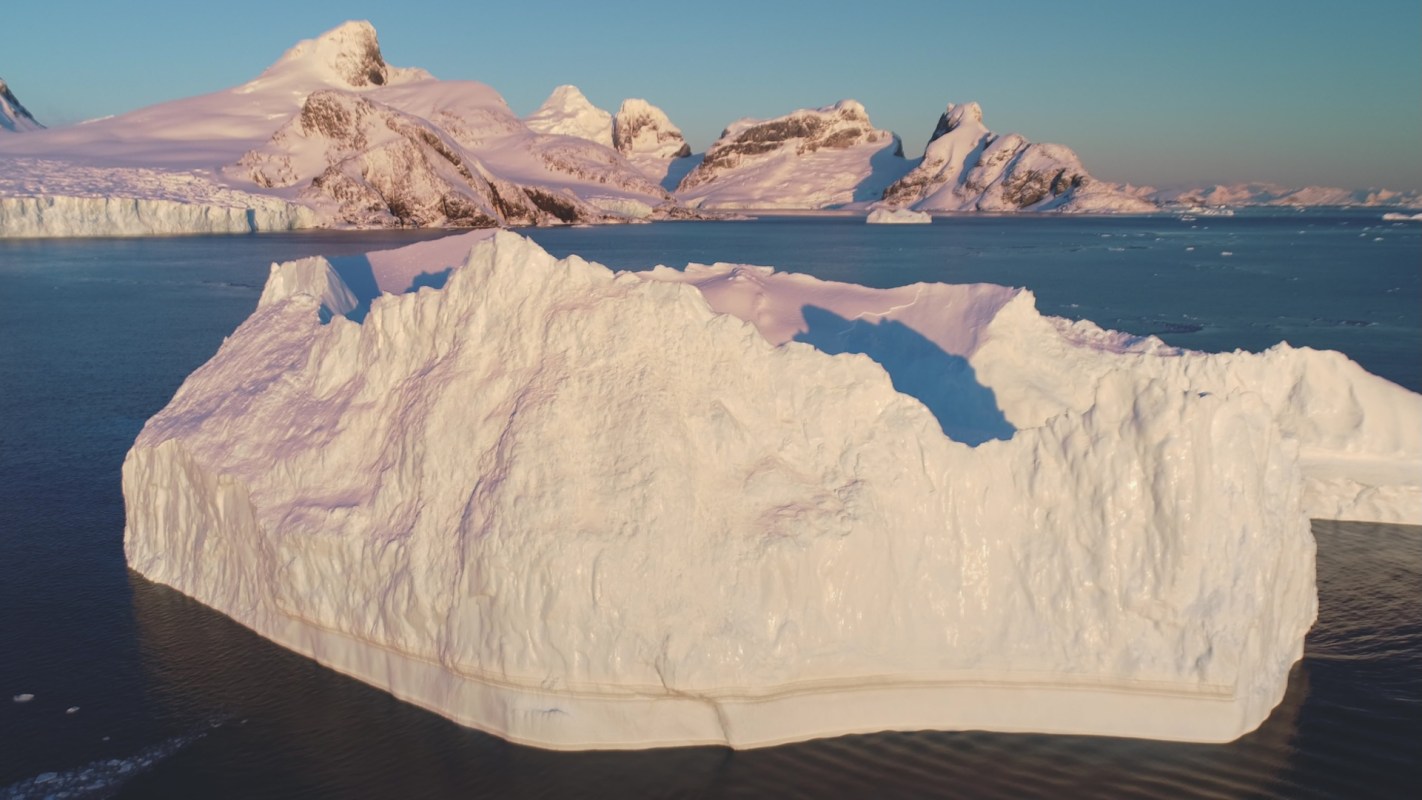
A catastrophic breeding failure unfolded this year after a massive iceberg blocked access to the largest known emperor penguin colony of its kind, leaving researchers stunned — and thousands of chicks dead, according to DongA Science.
What's happening?
Coulman Island, located in Antarctica's Ross Sea, hosts one of the world's most significant emperor penguin colonies. But this year, nature threw an especially cruel curveball.
An iceberg more than 8 miles long broke off from the Nansen Ice Shelf in early spring and slowly drifted north. By late July, it had wedged itself directly in the path adult penguins rely on to travel from open water to their breeding grounds.
The timing couldn't have been worse. By June, female emperor penguins had laid their eggs and gone to sea to hunt, leaving the males to tend the nests through the harsh Antarctic winter. When the mothers tried to return weeks later, the iceberg blocked the path — and roughly 70% of the chicks didn't make it.
"If the ice melts next summer and the iceberg is swept away … the colony has a chance to recover," said Dr. Kim Jeong-hoon, a principal researcher with the Korea Polar Research Institute, per DongA Science.
Still, the event raised alarms. "This event demonstrates the unpredictable risks that climate change poses to the Antarctic ecosystem," said KOPRI President Shin Hyeong-cheol.
Why is this event concerning?
What worries scientists is the growing pattern of extreme and poorly timed events that disrupt ecosystems all at once.
As polar ice weakens, break-offs grow larger and more frequent. That instability doesn't stay neatly confined to the poles. Melting Arctic and Antarctic ice contributes to rising seas, which means higher tides during storms, increased flooding in coastal communities, and damage to ports that move food and supplies around the world.
Those disruptions ripple out — stressing food systems, increasing the spread of disease as habitats shift, and raising the cost of everyday essentials. Scientists have repeatedly warned that while single events can happen naturally, human activity is amplifying their strength and consequences.
Emperor penguins serve as early indicators of these broader shifts — their struggles often foreshadow the challenges humans face next.
TCD Picks » Quince Spotlight
💡These best-sellers from Quince deliver affordable, sustainable luxury for all




|
How concerned are you about the plastic waste in our oceans? Click your choice to see results and speak your mind. |
 Extremely 😫
 What's being done about it?
Researchers are tracking the penguins from space, keeping tabs on how the colony recovers. There are international rules meant to limit human activity in these fragile regions, but they don't always stop human impact.
People can help too — by backing policies that cut pollution, protecting coastlines, and paying attention to how melting ice affects communities and food supplies.
A penguin colony may seem far away, but the risks it faces can ripple all the way to our own backyards.

Get TCD's free newsletters for easy tips to save more, waste less, and make smarter choices — and earn up to $5,000 toward clean upgrades in TCD's exclusive Rewards Club.
Cool Picks






