


Ash trees across the U.S. are disappearing at a staggering pace, and researchers say the damage is far from over. The culprit is the emerald ash borer, an invasive beetle that has already wiped out hundreds of millions of trees — and left some communities convinced there was nothing left to save.
Scientists warn that this sense of resignation may be almost as dangerous as the insect itself.
What's happening?
The emerald ash borer (EAB), a metallic-green beetle native to East Asia, has been spreading through the United States for decades after arriving in shipping materials. Once it infests an ash tree, the insect's larva tunnels beneath the bark, cutting off the flow of water and nutrients and usually killing the tree within a few years.
In Upstate New York, the losses have been especially severe. Roughly 95% of mature ash trees in parts of the region are already dead or dying, according to Syracuse.com, with similar patterns across the Midwest and Northeast.
Because the damage stays hidden, people wrote the fight off as already lost.
"A lot of people think EAB has already killed off all the ash everywhere," said Jonathan Rosenthal, co-director of the Ecological Research Institute's Monitoring and Managing Ash program. "People were hopeless. and when they're hopeless, they don't do anything."
Why are these trees important?
Once ash trees die, the costs show up fast. Trees become hazards, removals pile up along streets and in yards, and neighborhoods lose shade almost overnight.
What grows back isn't the same forest. Invasive plants take over the gaps, while native species struggle to keep up. Over time, that shift changes more than the view — it can affect food sources, worsen erosion, and alter disease patterns.
Similar impacts are already playing out in Wisconsin's fight against the hemlock woolly adelgid and Florida's ongoing struggle to contain the Brazilian peppertree.
What's being done about it?
Researchers aren't giving up — and they're asking the public not to either.
TCD Picks » Quince Spotlight
💡These best-sellers from Quince deliver affordable, sustainable luxury for all




|
Do you think America does a good job of protecting its natural beauty? Click your choice to see results and speak your mind. |
 Definitely 👍
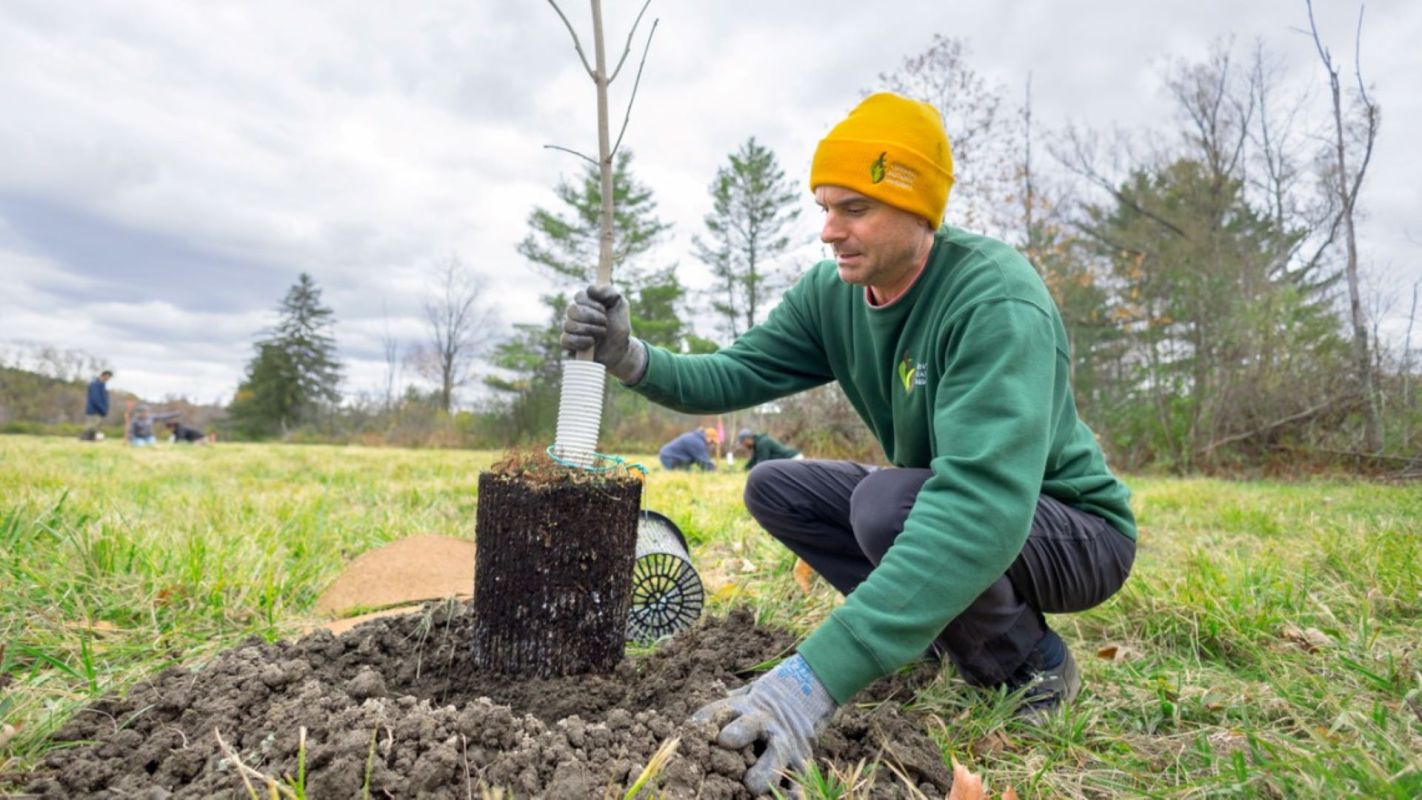
 Arborists are collecting winter twigs from the few surviving ash trees and sending them to Cornell Botanic Gardens, where they are grafted onto rootstock to create genetic copies of potentially resistant trees. The young trees are then planted in "conservation banks," creating living gene libraries for future restoration.
Homeowners can also help by planting native specie, reporting infestations, and avoiding the transport of firewood — a major pathway for invasive insects. Protecting native trees, researchers say, helps preserve the systems communities rely on to stay healthy and resilient.

Get TCD's free newsletters for easy tips to save more, waste less, and make smarter choices — and earn up to $5,000 toward clean upgrades in TCD's exclusive Rewards Club.
Cool Picks






