


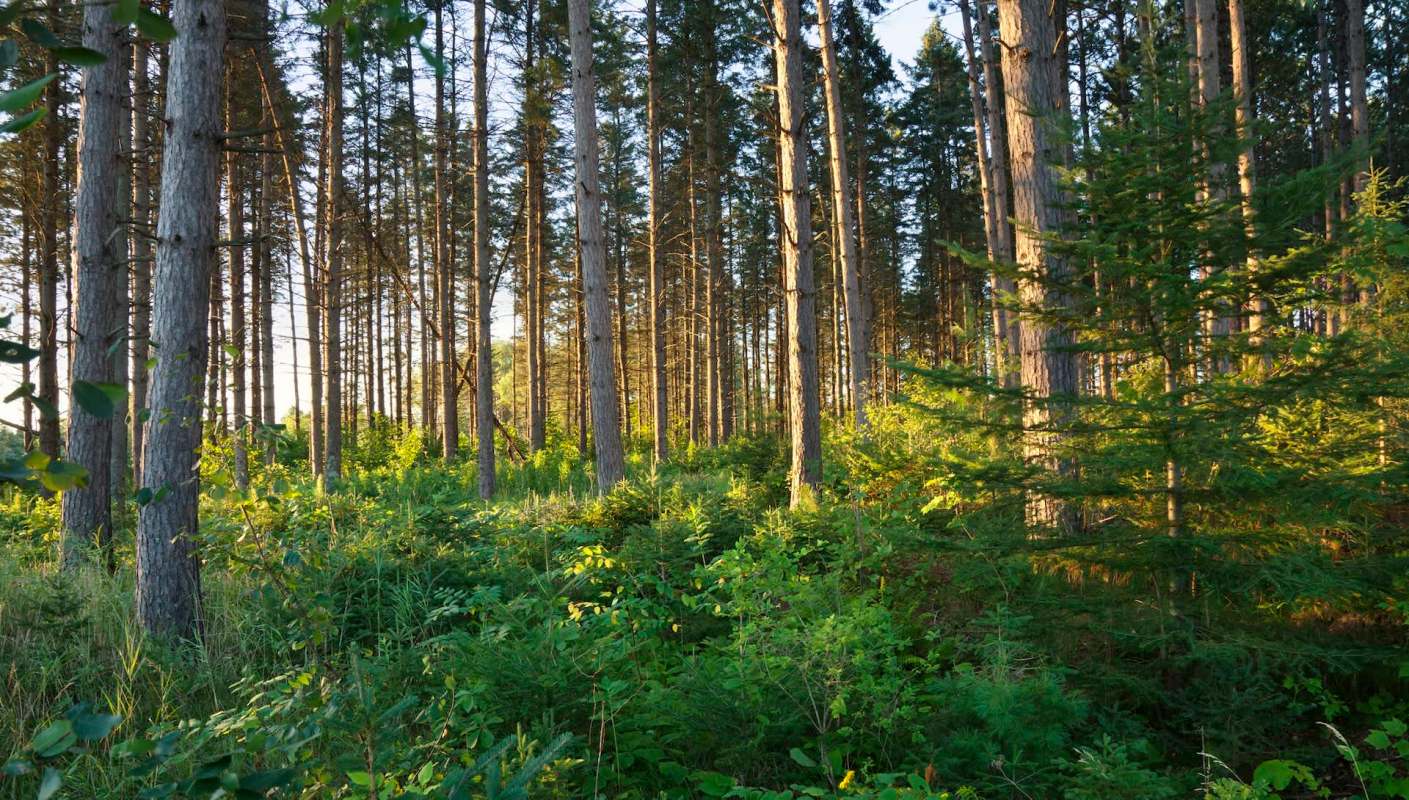
Researchers from the University of Minnesota have made a promising discovery in their fight against an invasive pest that devastates ecosystems. They published a study in Forests that said an effective way to eradicate emerald ash borer beetles is to expose them to certain parasitic fungi.
The emerald ash borer beetle targets ash trees, which are prevalent in Minnesota's northern marshlands, and the insect has also caused infestation problems in other states, such as Oregon. The researchers found that if they exposed the beetles to the spores of the fungi, they would then spread them to other beetles through mating.
Two bugs not native to Oregon made headlines in the northern part of the state as infestations were detected.
— Newberg Graphic (@newberggraphic) January 5, 2026
https://t.co/2P9ZlYznow
The next step for the researchers is to test the most effective fungi placed in devices across Minnesota's state parks and forests. The hope is that the spread of the fungi among the beetles will help eradicate the population and save the ash trees.
Invasive species can be devastating to communities. They can soak up vital resources that can lead to the extinction of plants and animals that are vital parts of a local ecosystem. This affects humans too, as it can alter our food chains.
One way to fight invasive species is to install a native plant lawn. Native plants are a great way to save time and money because they don't require as much water or maintenance as traditional lawns.
Native plants also strengthen local ecosystems by attracting pollinators. These are the insects and small birds that keep plant life thriving and our food chains humming. Pollinators are estimated to be responsible for one out of every three bites of food we eat.
There are many fantastic options for those considering a native plant lawn. Clover, buffalo grass, or xeriscaping are all great choices. Even a partial lawn replacement can reap these impressive benefits.
For their part, the authors behind the beetle study explained the importance of their work. "With a billion ash trees in Minnesota, we need to explore all possible methods to try and control this devastating pest," said co-author Robert Blanchette, a University of Minnesota professor.
|
What's your preferred style of yard? Click your choice to see results and speak your mind. |
 Nicely cut grass 😎
Get TCD's free newsletters for easy tips to save more, waste less, and make smarter choices — and earn up to $5,000 toward clean upgrades in TCD's exclusive Rewards Club.
Cool Picks






