


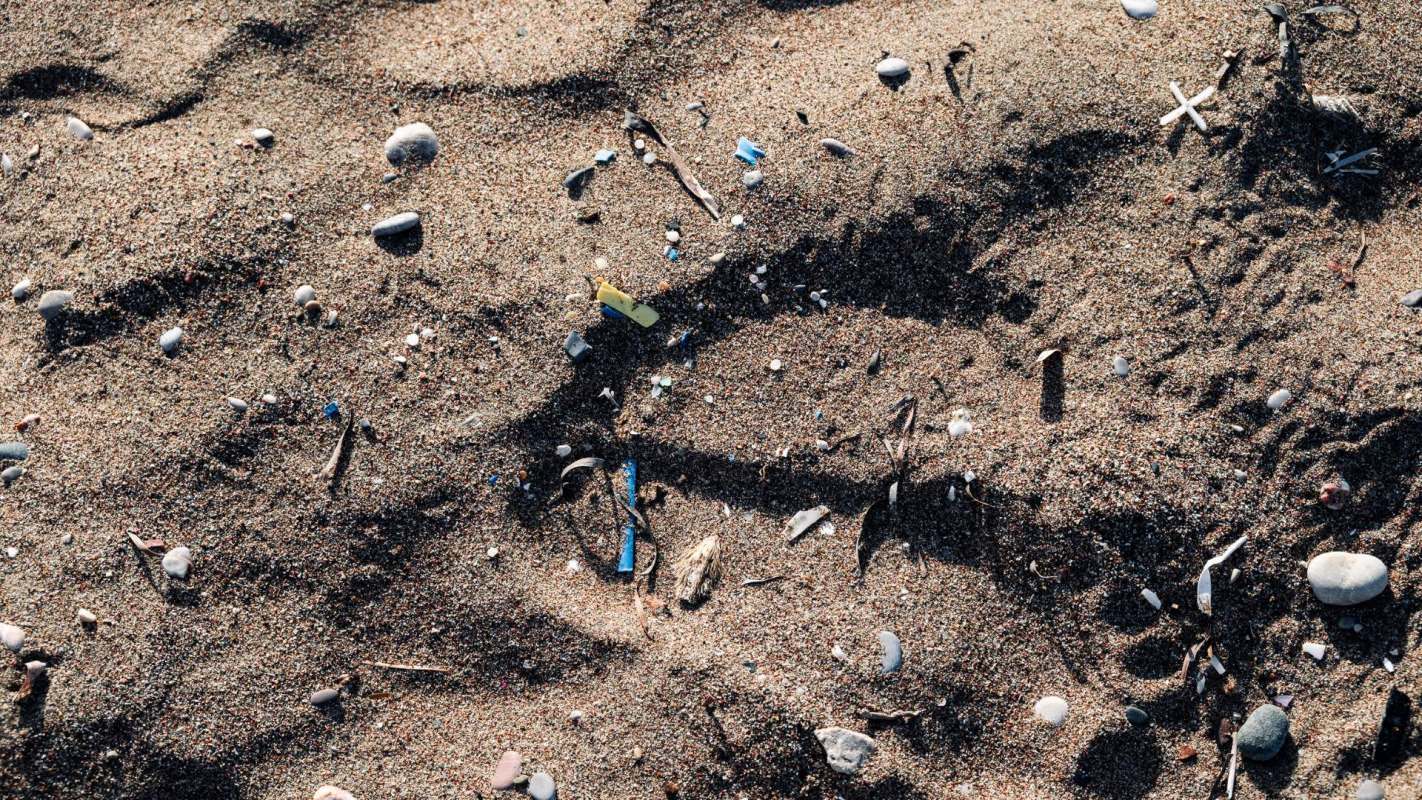
Instead of dolphins or surfers, don't be surprised if you see cigarette butts at a beach.
What's happening?
Sadly, many visitors forget to use trash cans when out in nature. In the case of beaches, it's easy for small items like cigarettes and other plastics to get lost in the sand and seep into the nearby water.
As WDET reported, Duck Lake connects to Lake Michigan through a small channel, often becoming a recipient for the larger lake's trash when high waters and wind push loads in its direction.
As the water recedes, the plastic doesn't, with much remaining in the grass on the sides of the channel.
When WDET reporter Lester Graham went back to Duck Lake to cover a microplastics story for a third time, he found 158 cigarette butts in one hour.
Why is litter at Duck Lake concerning?
Whether it's national parks or beaches, these areas are available for all to enjoy. Visitors of all ages can learn about ecological processes, have fun with loved ones, participate in activities, or just relax. Plus, these areas are natural habitats for many animal species.
However, it's harder to enjoy nature when others continue to disrespect it.
A park employee told Graham that people park "cars next to the beach to enjoy the view of Lake Michigan," only to "toss their cigarette butts on the ground" while there. This is a prime example of troubling behavior that can have lingering effects.
When visitors mindlessly discard items on the beach, it provides an easy passage into nearby waters already overrun with plastics. Those tiny cigarette butts start "breaking down into small pieces, less than 5 millimeters, end up in the Great Lakes," Olivia Reda, cleanup organizer for the Alliance for the Great Lakes, told WDET.
Nanoplastics and microplastics are increasingly being found in the environment. Worse still, they are being found in human bodies.
TCD Picks » Quince Spotlight
💡These best-sellers from Quince deliver affordable, sustainable luxury for all




|
Do you worry about having toxic forever chemicals in your home?
Click your choice to see results and speak your mind. |
 Majorly 😥
 Mary Kosuth, a teacher at Dunwoody College of Technology, even found microplastics in local beer, as Michigan Public reported.
Sadly, unsuspecting wildlife can easily choke on larger pieces of plastic by mistaking it for food.
What's being done about the littering problem?
Andrea Densham, senior policy adviser for the Alliance for the Great Lakes, told WDET that signage "reminding folks that birds and children enjoy the beaches and that having cigarette butts is really damaging" could be helpful.
Elsewhere, caring volunteers take local action through monthly work in addition to annual cleanups. At the Great Lakes, Adopt-a-Beach volunteers team up to clear away trash, according to WDET.
Of course, it's not just cigarette butts that are the problem. All types of litter, especially plastics, harm the environment.
Anyone can help mitigate this issue by using less plastic, especially single-use items. For example, by repurposing containers, you can keep them from ending up in polluting landfills or from reaching vital water bodies.

Join our free newsletter for good news and useful tips, and don't miss this cool list of easy ways to help yourself while helping the planet.
Cool Picks






