


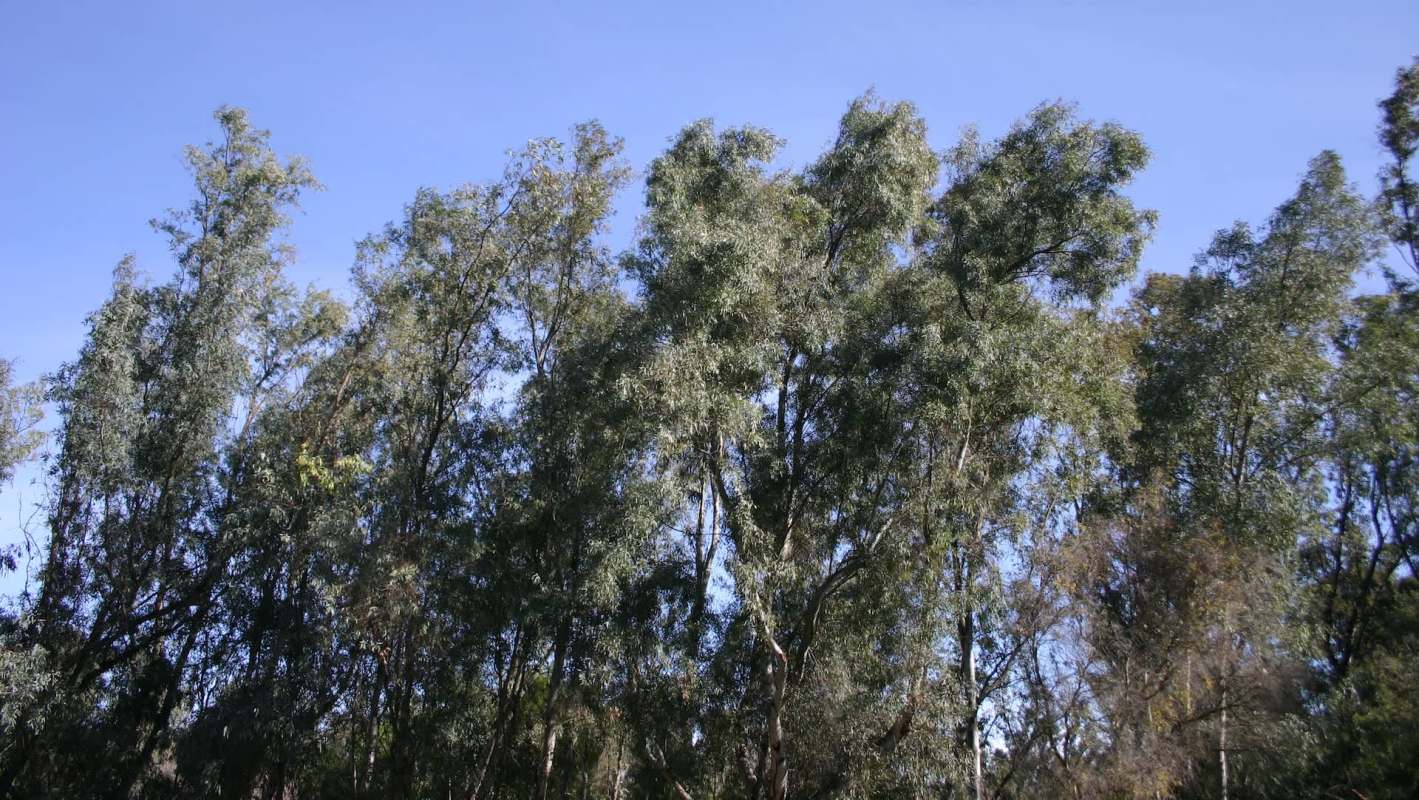
The dotted paropsine leaf beetle might be small, but it's terrorizing many of Southern California's beloved eucalyptus trees.
What's happening?
According to the University of California, this invasive beetle, native to Australia, first made its North American debut in Los Angeles in 2022. Today, it's rapidly spreading into nearby counties, leaving in its wake a lot of ravaged eucalyptus trees (which were also brought to California, but in the 1800s). Researchers first discovered the bug chowing down on lemon-scented gum leaves in Los Angeles. Now, it's been found doing the same thing in San Diego, Orange, and San Bernardino Counties, with a few unconfirmed reports that it's also in Ventura County.
"Both adult beetles and their larvae feed on eucalyptus leaves, causing significant defoliation that can result in tree death," wrote environmental horticulture adviser Christopher Shogren in the university article.
And this beetle isn't a picky eater. It consumes over 20 different species of corymbia and eucalyptus trees. Some of its favorites have included lemon-scented gum, red gum, blue gum, sugar gum, and silver dollar gum leaves, per the article. Adult beetles are oval-shaped with orange and yellow coloring marked by black spots. Their larvae begin with a yellowish color and black heads and ends before developing black stripe markings.
Why is the beetle infestation concerning?
It's simple. California's eucalyptus trees aren't just pretty. They're now part of local neighborhoods, city parks, and fire prevention plans. The beetle strips leaves, weakening trees and potentially killing them. Young or stressed trees are especially vulnerable.
"Over time, repeated infestations can cause tree death, particularly in newly planted trees or those that are already stressed due to environmental conditions," the University of California article stated.
The spread of invasive insects like this beetle damages ecosystems and costs communities time and money. It's similar to how the spotted lanternfly damages agriculture or how Asian hornets threaten bee populations. Invasive species outcompete native ones for food and resources, often leaving forests and farms in worse shape. In another story, the hidden costs of invasive species have been shown to have major impacts on local economies.
What's being done about the beetle infestation?
Right now, there aren't natural predators in California to keep these beetles in check. Management involves a mix of pruning, irrigation, and professional insecticide treatment. "Neonicotinoid soil drenches and foliar sprays of carbaryl may be effective," according to the University of California, though these pesticides are only for licensed applicators.
People can help by avoiding the transport of infested plant material and watching their eucalyptus trees for damage. Early detection gives tree care teams a chance to prune and treat before beetle populations multiply.
It's one more reminder that invasive pests aren't just an environmental problem. They threaten the trees lining our streets and the shade over playgrounds. Protecting native and introduced plants keeps neighborhoods healthy and ecosystems stable.
TCD Picks » Quince Spotlight
💡These best-sellers from Quince deliver affordable, sustainable luxury for all




|
Do you worry about air pollution in your town? Click your choice to see results and speak your mind. |
 All the time 💯
Join our free newsletter for good news and useful tips, and don't miss this cool list of easy ways to help yourself while helping the planet.
Cool Picks






