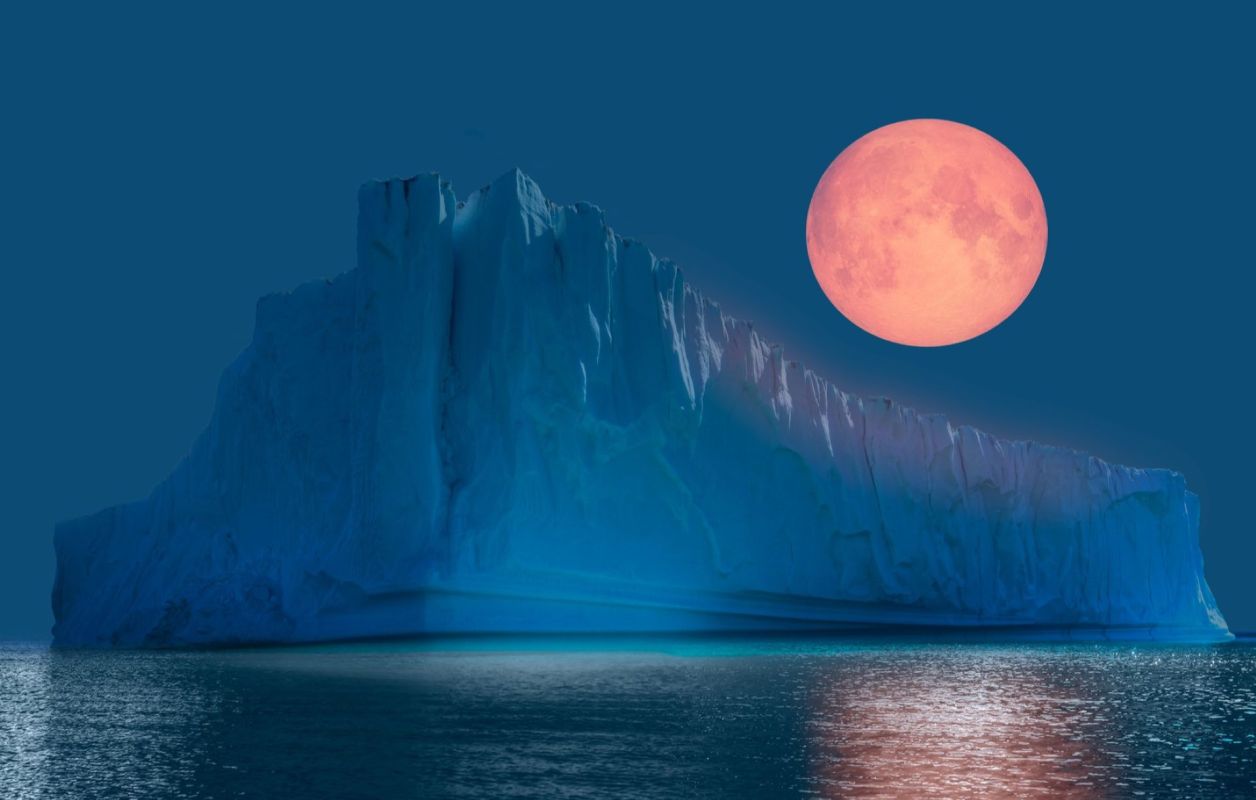
After cracks expanded in Antarctica's "Doomsday Glacier," experts warned that the glacier's breaking point could have a major impact on sea level rise.
What's happening?
A study published in the Journal of Geophysical Research found that the Thwaites Eastern Ice Shelf has compromised structural integrity due to continued fracturing over the years. The shelf is an extension of Thwaites Glacier, which is "one of the fastest-changing ice-ocean systems in Antarctica."
Researchers studied the cracks in the shear zone over the span of two decades. They discovered that the fracturing happened in two phases. According to the study, long shear fractures would expand, and a spike in the amount of small fractures would follow.
According to Wired, Thwaites Glacier's collapse could lead to sea levels rising by approximately 65 centimeters, which is over two feet. The baseline of the ice shelf will retreat at a rate of nearly 1 kilometer, or over six-tenths of a mile, each year over the next four decades.
Why is Arctic ice melt important?
The Arctic is reportedly warming three times faster than the global average, according to the World Wildlife Fund. Human activities that contribute to air pollution have led to rising temperatures. Since 1900, Arctic sea ice has declined by 60%, which means sea levels continue to rise.
The Natural Resources Defense Council reported that parts of the U.S. will see sea levels rise by as much as 1 to 2 feet by 2050. The U.S. is expected to experience 45 to 85 high tide flood days per year by then as well.
TCD Picks » Upway Spotlight
💡Upway makes it easy to find discounts of up to 60% on premium e-bike brands





Ice melt is also causing damage to crops that help keep our global food systems intact, per the WWF. Fewer crops will lead to an increase in grocery costs that would impact communities worldwide. Researchers also said melting ice can open doors for a wider spread of diseases.
What's being done about Arctic ice melt?
Government agencies have been using satellites to keep track of sea ice for almost 50 years. Last year, NASA reported that the total Arctic sea ice annual minimum coverage tied for the 10th-lowest on record.
"This data record is one of the longest, most consistent satellite data records in existence, where every single day we have a look at the sea ice in the Arctic and the Antarctic," Angela Bliss, assistant chief of NASA's Cryospheric Sciences Laboratory, said.
Mitigating Arctic ice melt starts with humans changing their behavior. You can explore critical climate issues to learn about how you can make a difference. Reducing the amount of pollution in the atmosphere can slow the warming climate and prevent ice from melting.
TCD Picks » Quince Spotlight
💡These best-sellers from Quince deliver affordable, sustainable luxury for all




|
How worried are you about rising ocean levels? Click your choice to see results and speak your mind. |
 Very 😰
Get TCD's free newsletters for easy tips to save more, waste less, and make smarter choices — and earn up to $5,000 toward clean upgrades in TCD's exclusive Rewards Club.
Cool Picks