


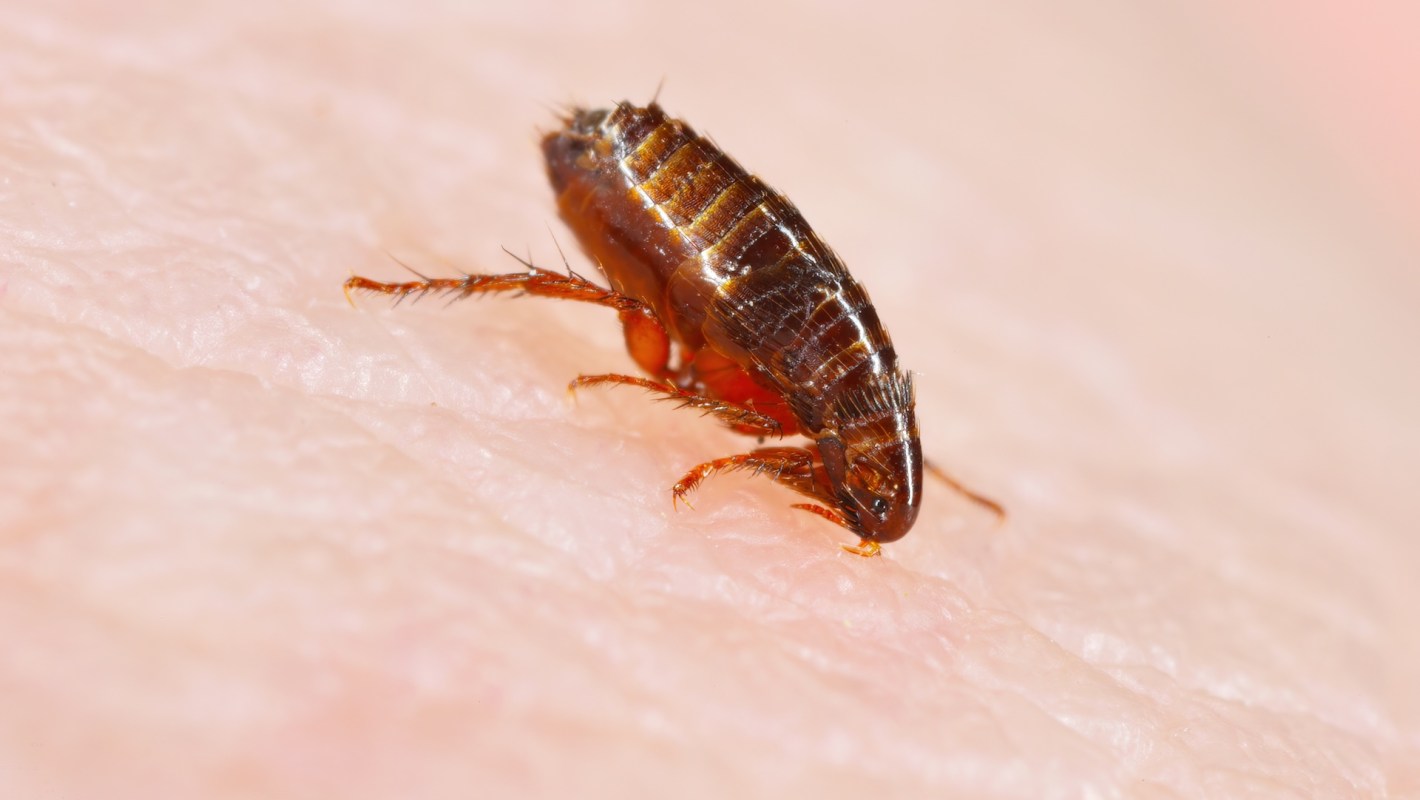
A dog in New Mexico tested positive for a disease widely believed to be consigned to the dustbin of history, prompting health officials to warn pet owners.
What's happening?
Most associate the plague with medieval Europe, when the bacterium that causes the disease wiped out more than one-third — and perhaps even 50% — of the continent's population.
But the reality is that it still exists today. Last month, the New Mexico Department of Health announced that a Santa Fe County dog tested positive for the plague, making it the state's first case in 2026, according to an agency news release published by the Los Alamos Reporter.
Fortunately, the dog has recovered after treatment. However, the NMDOH warned residents to contact health care providers if they experience sudden and severe fever. In humans, swollen, painful lymph nodes in the groin, armpit, or neck are also typical plague symptoms.
"Pets can be infected with plague if they eat an infected animal or are bitten by infected fleas," said Erin Phipps, state public health veterinarian for the NMDOH, in the release. "Humans can also get plague from flea bites or direct contact with infected animals, including rodents, wildlife, and pets."
Why is this concerning?
The dog's diagnosis is a reminder that the threat of plague has never truly disappeared. The United States hasn't experienced an urban plague epidemic since the 1920s, but a handful of cases occur in humans each year across the country, according to the Centers for Disease Control and Prevention. Epidemics have also continued to occur worldwide.
The relationship between the plague and climate is complex, as researchers have noted in multiple studies. Still, the NM case comes at a time when rising temperatures and shifting weather patterns are making it easier for fleas, larval mites, mosquitoes, ticks, and other vectors of disease to reproduce and thrive. This, in turn, influences disease spread.
What's being done about this?
The plague killed tens of millions of people centuries ago, but today, it is treatable if caught early. Swift diagnosis and antibiotics significantly reduce mortality rates in both pets and humans.
There are also steps you can take to prevent the spread of plague.
The NMDOH has recommended keeping "hay, wood, and compost piles as far away from your home as possible" and cleaning up areas where rodents could nest, according to the release.
TCD Picks » Quince Spotlight
💡These best-sellers from Quince deliver affordable, sustainable luxury for all




You should also treat your pets with an approved flea-control product and ensure only they have access to their food and water. If they are sick, take them in for veterinary care immediately.
|
Which of these savings plans for rooftop solar panels would be most appealing for you?
Click your choice to see results and earn rewards to spend on home upgrades. |
 Save $1,000 this year 💸
Get TCD's free newsletters for easy tips to save more, waste less, and make smarter choices — and earn up to $5,000 toward clean upgrades in TCD's exclusive Rewards Club.
Cool Picks




