


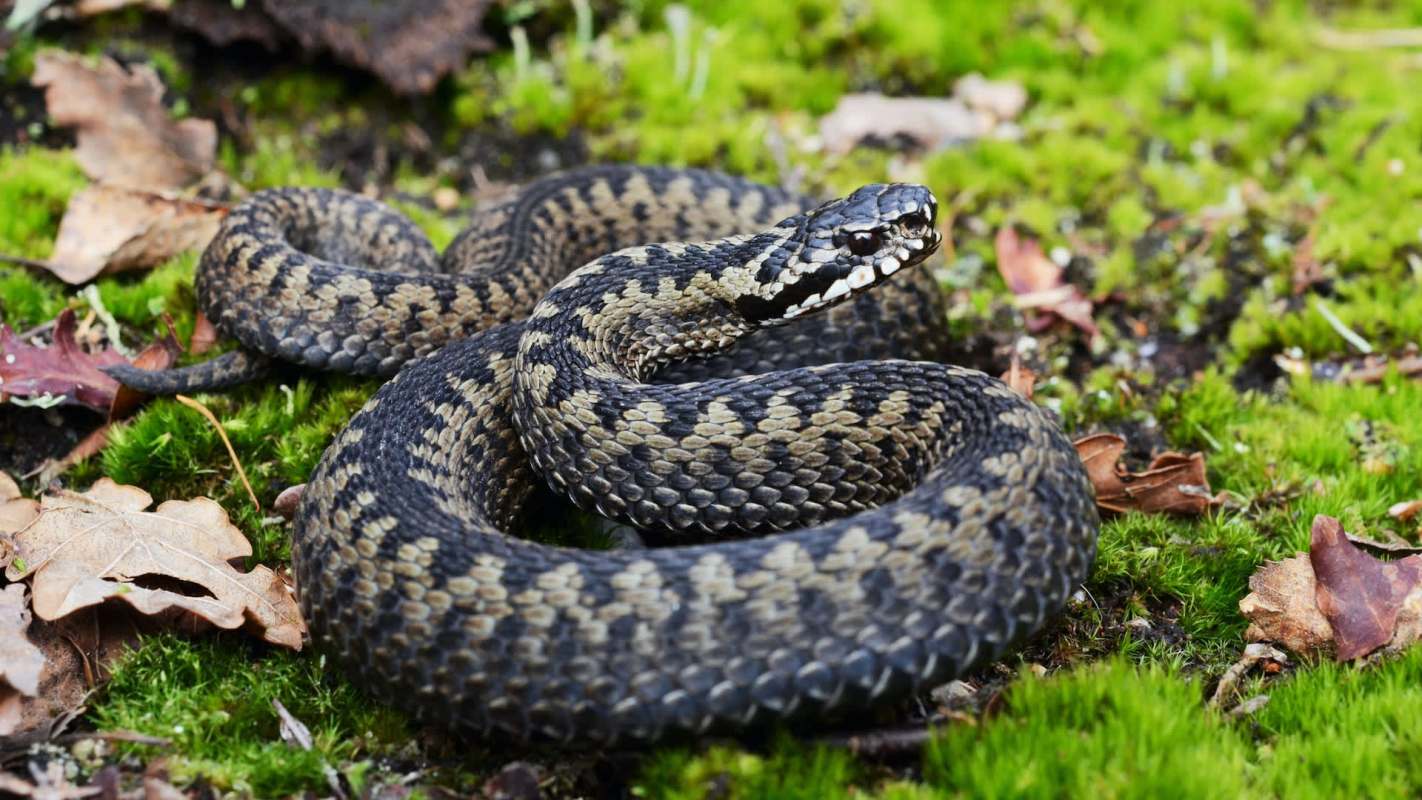
During a family holiday in North Yorkshire, a terrier called Jet suffered an adder bite to the face that caused severe swelling and led her owners to fear she might not survive the night, as the BBC reported.
Experts believe warmer weather and more time outdoors are increasing contact between pets and wild animals like adders.
What happened?
During a walk near Ravenscar, Jet suddenly "let out a really high-pitched scream," as the outlet reported, and her face quickly began to swell. The dog's owners, Jonathan and Anita Matthews, who are from Retford, Nottinghamshire, first suspected a grass snake bite, but Jet soon became much worse, according to the BBC.
By about an hour later, Jonathan said, Jet had gone "into a bit of a shock, with swelling around her face and her legs and body," and the couple rushed her to a vet.
"The way we carried her into the vet, I'm thinking the worst and it was just horrible," he recalled to the BBC.
Jet was treated by Josh Smith, who runs Aldgate Veterinary Practice in Bridlington, and he said she "was quite unwell for a period of time" to the outlet.
TCD Picks » Quince Spotlight
💡These best-sellers from Quince deliver affordable, sustainable luxury for all




Smith said a bite to the face is especially hazardous because swelling can threaten the airway, and he said the venom can also affect organs and blood chemistry.
A few days after being given antivenom, Jet started to improve. She stayed at the surgery for almost a week and is now recovering at home, per the BBC.
Why does it matter?
In the United Kingdom, adders are the only native snakes that are venomous, the outlet noted. Experts say an adder bite is rarely fatal, but it can become serious very quickly, especially for dogs that explore woodland or grassland with their noses and faces.
Wildlife attacks are frequently linked to habitat pressure and human encroachment rather than aggression for its own sake. That seems especially true in this case.
Kevin James of the Lincolnshire Wildlife Trust told the BBC that public disturbance has fueled fears that 90% of the adder population could be extinct within a decade.
"They're slowly starving to death and the majority of the general public don't realise what damage they're doing," he explained to the outlet.
What can I do?
Smith said the key thing for dog owners is to respond fast. He advised the BBC that owners should not "try messing with the wound" or try to suck out the venom, and he also warned against tourniquets, suggesting that the ploy "doesn't help at all."
"The best thing to do, if you can, is carry your dog back to the car and then seek veterinary attention immediately," Smith declared to the outlet.
Adders are found in about 40 parts of the U.K., mainly in grassland and woodland, and North York Moors National Park senior ecologist Elspeth Ingleby said they are active through much of the warmer weather, per the BBC.
Dog walkers can reduce the risk by staying alert in snake habitats and keeping pets on a leash. James said walkers should keep their distance and avoid disturbing animals that are simply trying to survive.
"They'll only bite someone if you accidentally stand on them or if you've got a dog off a lead," James concluded to the BBC.

Get TCD's free newsletters for easy tips, smart advice, and a chance to earn $5,000 toward home upgrades. To see more stories like this one, change your Google preferences here.







