


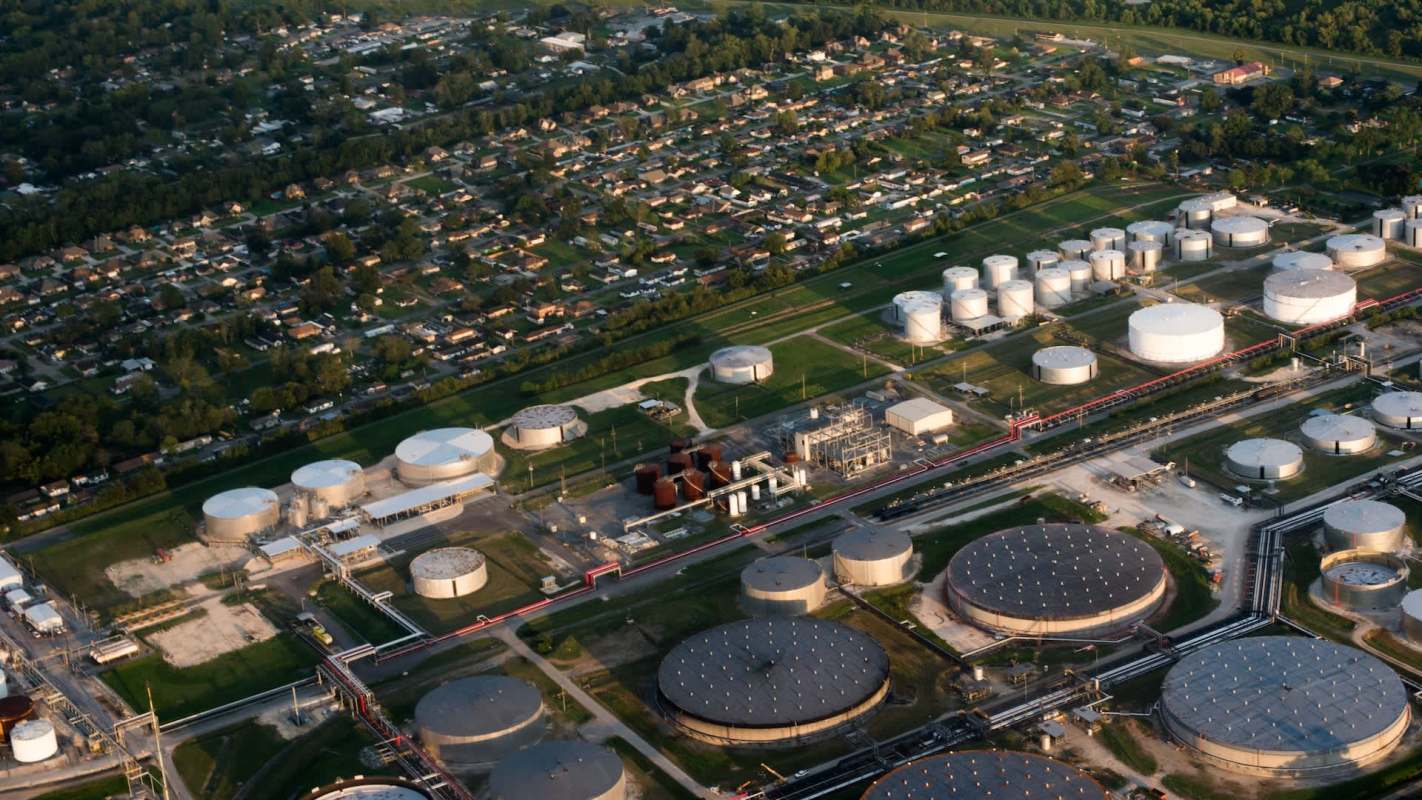
An award-winning documentary about pollution in Louisiana's "Cancer Alley" was blocked from being screened at a publicly owned theater, setting off alarm bells among residents and free speech experts.
For people in Louisiana's St. John the Baptist Parish, the canceled event was about more than a movie night. It was a chance for a community long burdened by toxic industry to see its own story told publicly.
What happened?
According to the Louisiana Illuminator, residents said parish officials shut down a planned February screening of "The Big Sea," a 75-minute documentary that looks at how the surfing economy is connected to polluted air in Reserve, a low-income Black community on the Mississippi River.
The film focuses on the former Denka plant, which, as the Illuminator reported, had been the country's only chloroprene producer, supplying an ingredient used in neoprene wetsuits. Federal regulators previously said harmful carbon pollution from the facility posed a substantial cancer risk to nearby residents.
The documentary has already won more than a dozen festival awards internationally.
Concerned Citizens of St. John, a local advocacy group, said it booked the parish-owned St. John Theatre in December and received approval before the event was abruptly canceled. In an email, theater manager Amy Wombles told organizers that Parish President Jaclyn Hotard had "vetoed" the screening.
TCD Picks » Quince Spotlight
💡These best-sellers from Quince deliver affordable, sustainable luxury for all




Months later, organizers said they still have not been given a reason.
Bruce Hamilton, a law professor and director of Tulane University's First Amendment Clinic, called the cancellation "very clearly a First Amendment violation," arguing that a public venue cannot selectively block a film because of its viewpoint.
Why does it matter?
This story involves environmental justice, public health, and free expression.
For residents of St. John Parish, the film is not abstract political commentary. It documents the lived reality of a community that has spent years coping with industrial pollution, a school closure, and fears about cancer risk.
Blocking the screening also risks deepening distrust in local government. When a publicly owned theater can host pageants, school productions, and concerts but allegedly bars a documentary critical of the petrochemical industry, residents may reasonably see that as silencing. That is especially significant in a mostly poor, Black community.
It also matters beyond one Louisiana town. Public access to information is essential if communities are going to push for cleaner air, safer neighborhoods, and a healthier future. Actions that suppress those conversations can slow progress toward healthier, more accountable communities.
What's being done?
According to the Illuminator, Concerned Citizens of St. John has received legal help from Tulane's First Amendment Clinic, which sent letters to parish officials requesting an explanation and urging them to reconsider the cancellation.
Hamilton said that public records requests for emails and related communications about the decision have not produced any documents.
If the parish continues to withhold an explanation or refuse the screening, litigation may follow.
For residents, the immediate path forward appears to be continued public pressure and legal advocacy. While individual action cannot solve entrenched pollution or censorship issues alone, showing up at public meetings, supporting local watchdog groups, and documenting government decisions can help communities defend both their health and their rights.

Get TCD's free newsletters for easy tips, smart advice, and a chance to earn $5,000 toward home upgrades. To see more stories like this one, change your Google preferences here.







