


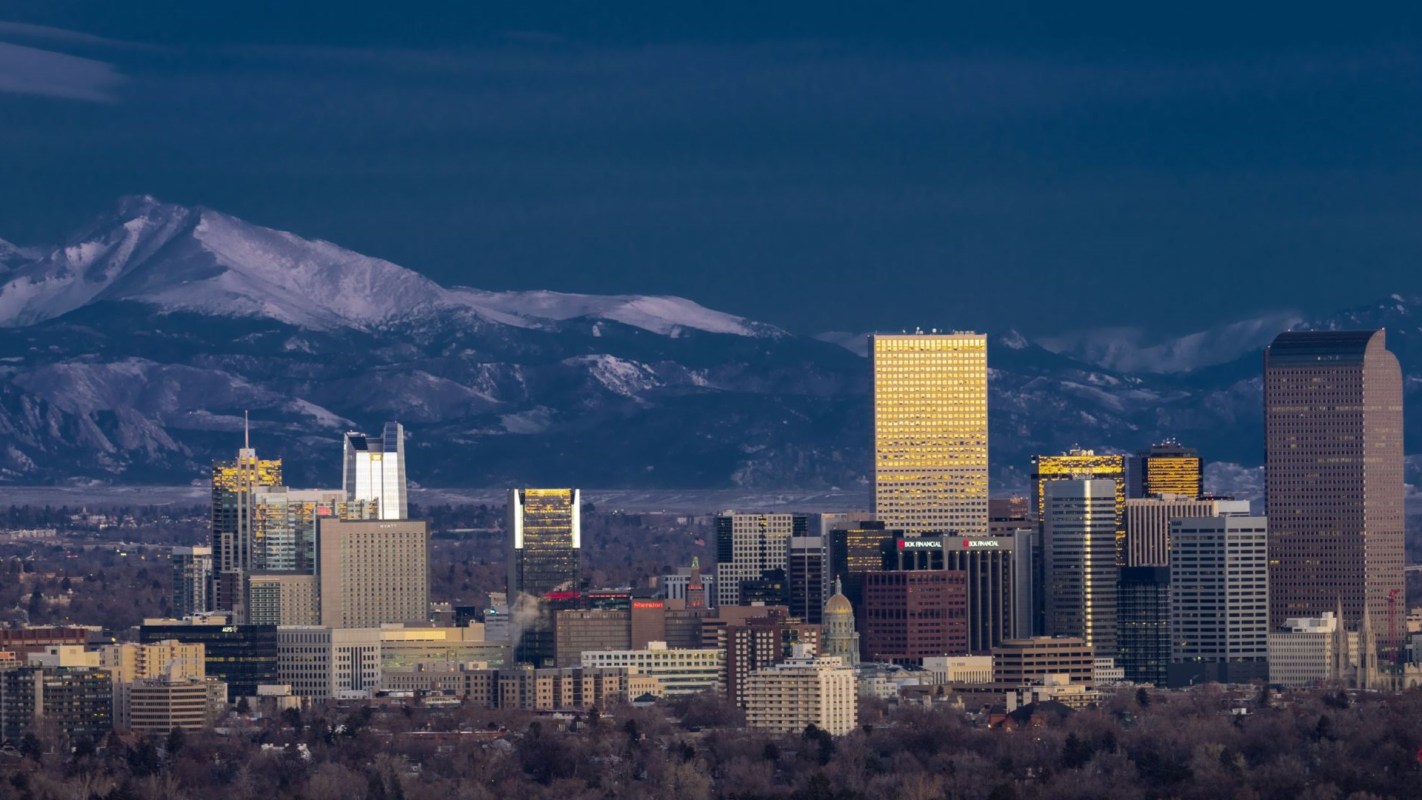
Denver hasn't seen snow for one of the longest stretches in history.
Snow still hasn't arrived in the city, and the last measurable snow was over 200 days ago, on April 18.
What's happening?
As KDVR reported, Denver is currently experiencing one of the longest snow-free periods in recorded history. As of Nov. 7, there were no snow predictions in Denver's upcoming forecast.
Prior to this snowless stretch, Denver experienced no snow for 232 days in both 2021 and 1887. While 2025 has yet to break the record, it is still abnormal for the region not to have had a single flake of snow yet this season.
This year also marks one of the latest first snows in the city's history. A record could be broken for Denver's latest first snow of the winter due to no signs of any upcoming flurries.
Why are late snowfall arrivals significant?
Late snowfalls can create significant disruptions to transportation, travel, and local economies. The Denver region relies on snowfall for ski season tourism and to attract winter sports enthusiasts. Late snowfalls can disrupt travel through flight delays and road closures, affecting supply chains and the movement of industrial goods.
Some places rely on snowpack for water, so late snows affect water availability in the spring and summer. There is also a meteorological significance of late snowfalls, which reflect atmospheric conditions and highlight changes in the global climate.
Ultimately, late snows are just one more piece of evidence of the extreme and unpredictable weather patterns that are changing the way we live our lives.
How can I adapt to a late snowfall arrival?
If you live in Denver or another region affected by a late snowfall arrival, you can start preparing yourself and your home now for a season of unpredictable weather.
For example, you can pack a winter storm survival kit, pre-treat outdoor surfaces with salt to prevent ice buildup before snow comes, and seal drafts around windows to prevent heat loss. You may also have a little more time to weather-proof your home in advance of significant snowstorms and prepare for future power outages.
TCD Picks » Quince Spotlight
💡These best-sellers from Quince deliver affordable, sustainable luxury for all




|
Do you feel like the air quality is safe where you live? Click your choice to see results and speak your mind. |
 Always 💯
 By installing solar panels on your home, you can make your family more resilient to intense weather events and save money on your monthly energy bills. Our Solar Explorer is a helpful resource for finding trusted local installers and saving up to $10,000 on a new solar installation.
Since human-induced climate shifts supercharge extreme weather events, including snow droughts, powering your home with clean energy is a step in the right direction toward a more stable planet.
You can also encourage others to adopt a sustainable lifestyle by setting positive examples of home electrification and resource conservation.
After educating yourself about critical climate issues such as snow droughts and other extreme weather patterns, consider sharing what you've learned with family and friends to increase public awareness.

💰Get TCD's free newsletters for easy tips to save more, waste less, and make smarter choices — and earn up to $5,000 toward clean upgrades in TCD's exclusive Rewards Club.
Cool Picks






