


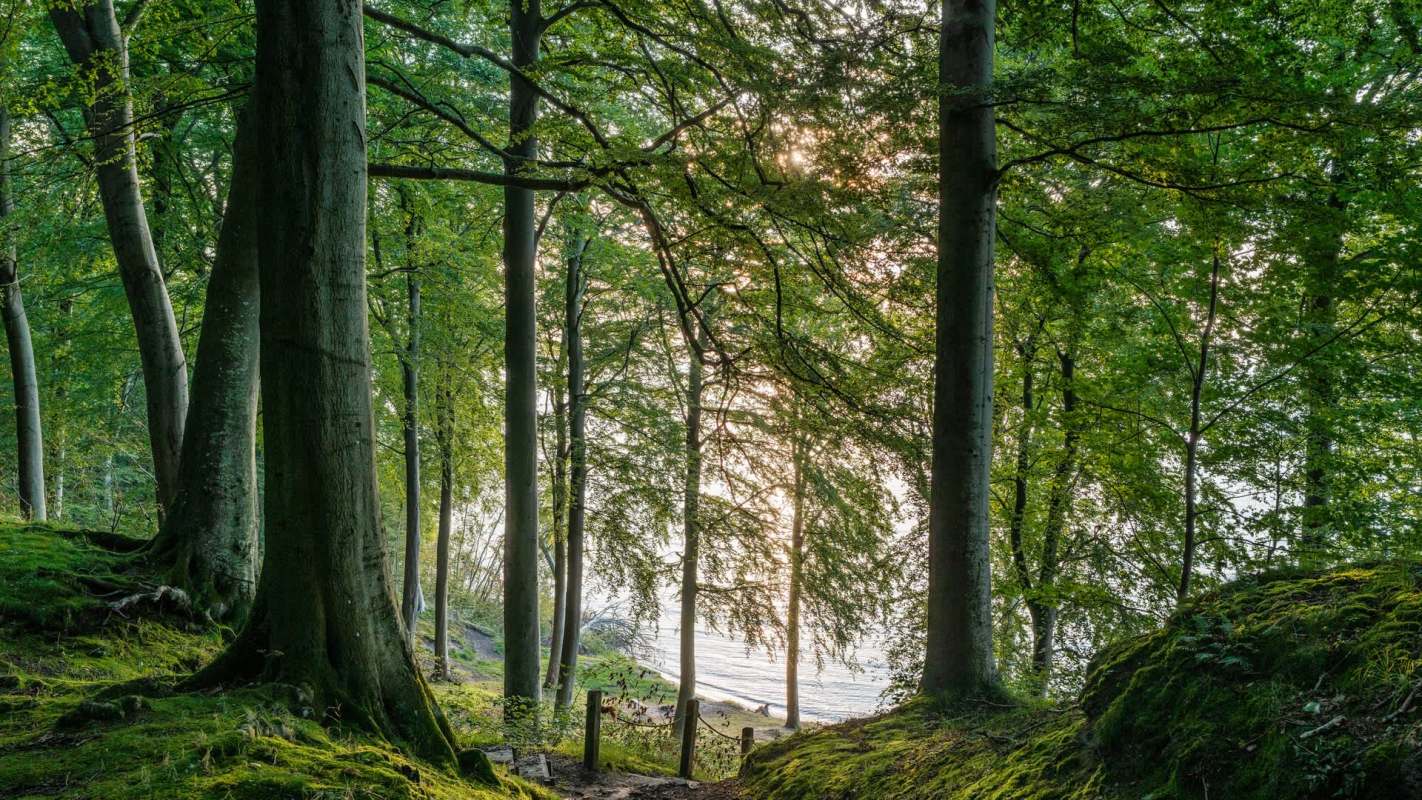
Amid rampant deforestation worldwide, one Scandinavian country is bucking that trend with an ambitious afforestation program.
According to Mongabay, Denmark is looking to convert 250,000 hectares of cultivated land, nearly 6% of the small European nation's total surface area, into forests. The project aims to reduce harmful pollution while restoring natural habitats. Depleted farmlands owned by local authorities will be turned over to afforestation efforts.
Afforestation differs from reforestation in that it seeks to add forests to an area that had little or no tree cover before. Conversely, reforestation is the process of reviving an existing forest that has been depleted by human activities or natural disasters. This can be done naturally by preparing the soil and leaving existing trees to recolonize an area or by actively planting saplings.
Denmark is exploring both options as Michael Kirkebæk of the Danish Climate Forest Fund told Mongabay, "We're breaking new ground here."
The main benefits of adding tree cover are the carbon sequestration potential and the opportunity to provide a habitat for wildlife. A study found that halting deforestation and instituting massive afforestation projects could increase sequestration to 191 gigatons by the century's end. For reference, the International Energy Agency recorded 38.7 gigatons of pollution in 2024.
The presence of a forest doesn't have to be in opposition to agriculture. It's quite the reverse, as a barrier of trees, or a shelterbelt, can protect crops from dust and wind and boost the soil's health.
Of course, it's not just a case of tossing seeds into the ground and hoping for the best, as afforestation requires careful management and not all trees are created equal. For example, invasive eucalyptus trees are a menace in California. Similarly, China's black locust forests are straining water supplies in the semi-arid region in which they were planted. Using locally-appropriate native plants is the best way forward.
Rewilding an area isn't just the work of the government; individual homeowners can save time and money while boosting the ecosystem by upgrading their yards. For the Danes, the project is a good illustration of the ability of local efforts to make nationwide changes. The project is still in its infancy, but there's hope that it can make a massive difference in the long run.
Jeppe Bruus, Denmark's minister for green transition, said, "Danish nature will be changed in a way not seen since the drainage of wetlands in 1864."
|
Would you be willing to let your yard grow wild? Click your choice to see results and speak your mind. |
 I already have 😎
Join our free newsletter for good news and useful tips, and don't miss this cool list of easy ways to help yourself while helping the planet.
TCD Picks » Quince Spotlight
💡These best-sellers from Quince deliver affordable, sustainable luxury for all




Cool Picks






