


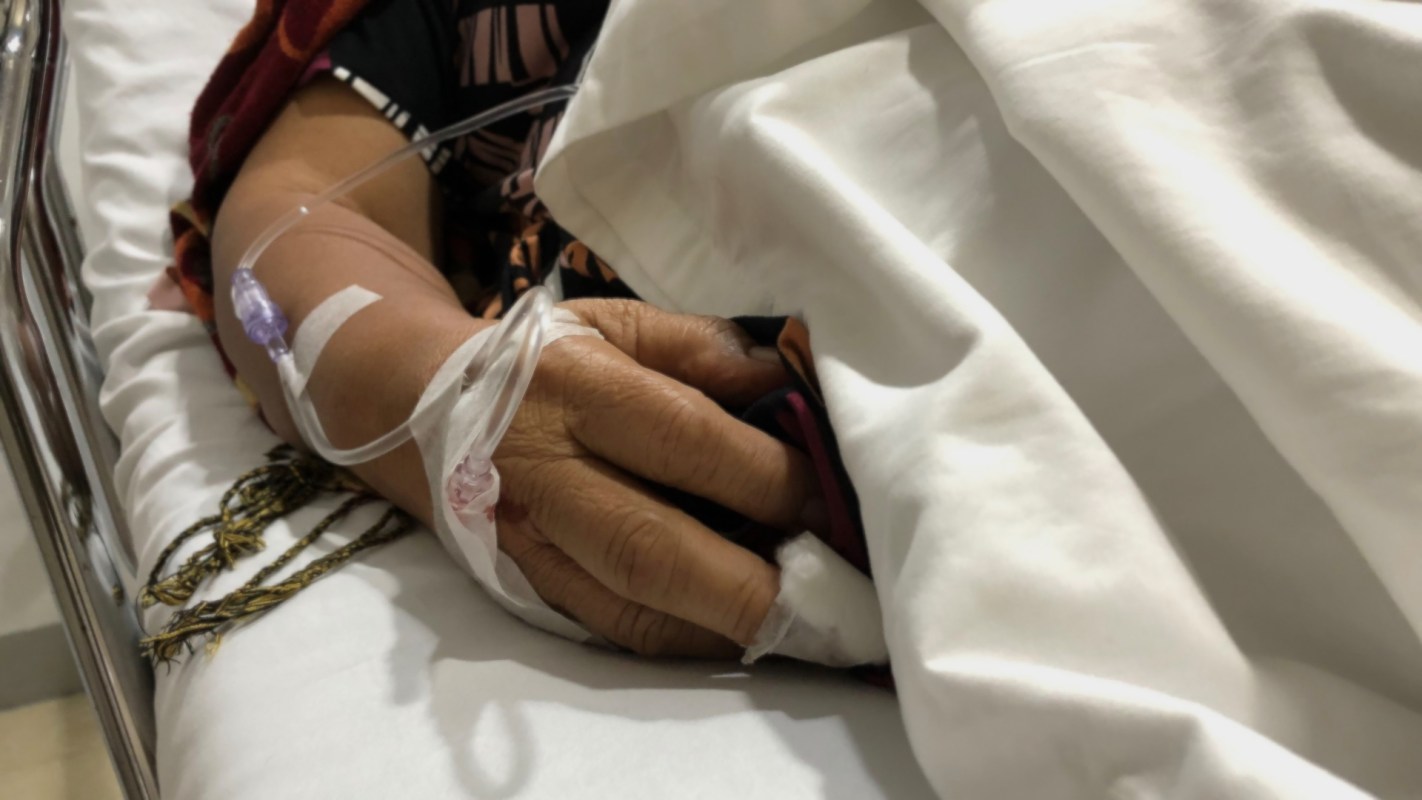
New research has tied climatic factors such as heat and humidity to the prevalence of two dengue-carrying mosquitoes in one Indian state.
What's happening?
The researchers surveyed homes in Karnataka to examine the influence of factors such as humidity, heat, and land use/cover on the populations of mosquito species in the post-monsoon season.
They found larvae, including of two dengue-carrying species, Aedes aegypti and Aedes albopictus, in over 71% of homes. In this study, heat and humidity led to a greater abundance of A. albopictus. There was a weak negative correlation with A. albopictus.
Why is this study important?
This paper adds to a growing body of research about how warmer and wetter weather could impact mosquito populations. For instance, one study found that several mosquito species populations are set to expand their ranges in North and South America in the coming years because of warmer temperatures. And according to Yale Climate Connections, the mosquito season has lengthened in many parts of the United States in recent decades.
The new research shows that not all mosquito species react the same to the changing climate. Still, many scientists have concluded that conditions across the world are generally becoming more favorable for these blood suckers.
As mosquito populations rise, people face increased risks of illnesses, such as malaria, West Nile virus, and dengue. In fact, about half of the world's population is now in danger of contracting dengue, according to the World Health Organization. The World Mosquito Program even called 2024 the "worst year for dengue cases on record." WHO notes that while most cases are asymptomatic, dengue can result in more serious symptoms and death.
Get cost-effective air conditioning in less than an hour without expensive electrical work The Merino Mono is a heating and cooling system designed for the rooms traditional HVAC can't reach. The streamlined design eliminates clunky outdoor units, installs in under an hour, and plugs into a standard 120V outlet — no expensive electrical upgrades required. And while a traditional “mini-split” system can get pricey fast, the Merino Mono comes with a flat-rate price — with hardware and professional installation included. |

"Mosquitoes that carry infectious agents can transmit the infection for their entire lives under favourable conditions," the researchers of the new study stated.
What's being done about mosquito-borne disease?
The authors of the new study suggested policymaking to mitigate dengue transmission, including "community engagement for source reduction, enhancing water management practices, and leveraging climate forecasts for proactive vector control."
Meanwhile, as dengue spreads to new locales, communities are confronting the threat head on. For instance, San Diego County quickly sprayed for mosquitoes after its first-ever locally acquired case of dengue in 2024. And officials in one Florida county used X-rays to kill invasive mosquitoes capable of spreading dengue and other diseases.
|
How bad are the mosquitoes in your area? Click your choice to see results and speak your mind. |
 What mosquitoes? 😎
💰Get TCD's free newsletters for easy tips to save more, waste less, and make smarter choices — and earn up to $5,000 toward clean upgrades in TCD's exclusive Rewards Club.
TCD Picks » Quince Spotlight
💡These best-sellers from Quince deliver affordable, sustainable luxury for all




Cool Picks






