


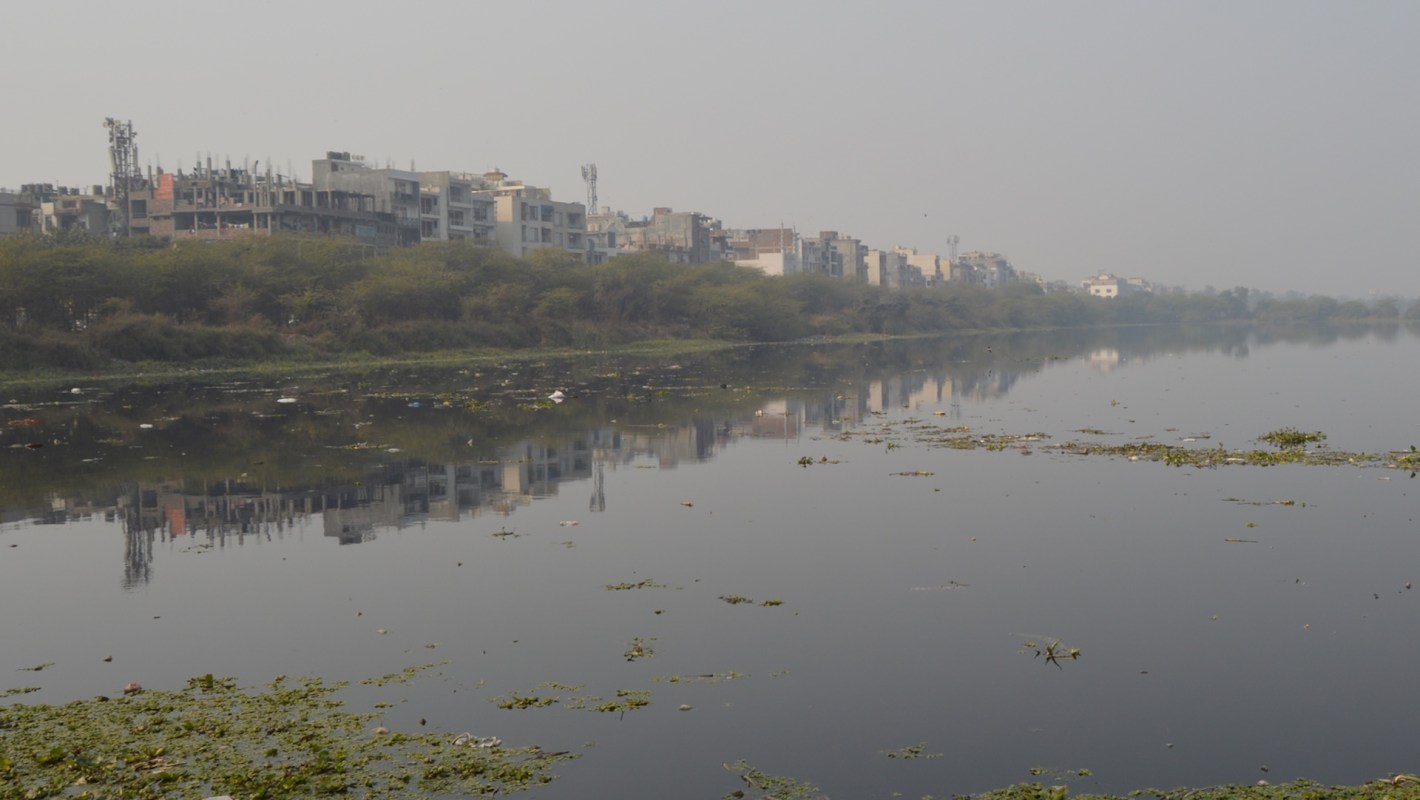
Increased ammonia levels in India's Yamuna River forced six of Delhi's nine water treatment facilities to close last week, cutting off clean water to millions of residents, CNN reported.
What's happening?
The pollution crisis left roughly two million people in 43 neighborhoods without running water for days. When supplies did return, residents described the liquid flowing from their taps as black, foul-smelling, and unsafe to use.
"Everyone's health is deteriorating," Shashi Bala, a resident of the affected Sharma Enclave neighborhood, told CNN. "Everything is dirty here."
The Yamuna, recognized by many as sacred, provides about 40% of Delhi's water supply, but industrial waste and untreated sewage have poisoned the waterway for decades. An official oversight body found that Delhi is responsible for 76% of the river's contamination, even though just 2% of the waterway runs through city limits.
Oxygen levels in sections of the river regularly reach zero, according to CNN, killing aquatic life and creating thick layers of polluted white froth on the water.
Why is Delhi's water crisis concerning?
For the 20 million people living in the Indian capital, contaminated water poses serious health risks. Residents have reported skin irritation after bathing, and many have been forced to drink discolored water because they cannot afford bottled alternatives.
Bhagwanti, 70, told CNN her taps ran dry for nearly a week before darkened water began running.
"There is so much smelly black water coming in," she said. "There's no facility for cleaning. There's no facility for water. They don't care if you live or die."
Millions of people now live in informal housing developments that lack connections to the city's water and sewer lines. Raw sewage filters down into aquifers below ground, contaminating well water.
What's being done about Delhi's water crisis?
Delhi officials have announced plans to increase sewage processing from current levels to 1,500 million gallons a day and to extend sewer lines to all informal housing areas by 2028.
TCD Picks » Quince Spotlight
💡These best-sellers from Quince deliver affordable, sustainable luxury for all




Meanwhile, international nonprofits like Water.org and charity: water are funding sanitation projects in underserved communities. And water conservation advocates recommend limiting shower times at home, fixing leaky faucets, and collecting rainwater for garden care to help protect the precious liquid resource.
|
What's the most you'd pay per month to put solar panels on your roof if there was no down payment?
Click your choice to see results and speak your mind. |
 $200 or more 💰
Get TCD's free newsletters for easy tips to save more, waste less, and make smarter choices — and earn up to $5,000 toward clean upgrades in TCD's exclusive Rewards Club.
Cool Picks






