


Scavenging birds that quietly protect human health and maintain ecological balance are making a vital comeback in India, thanks to dedicated conservation efforts.
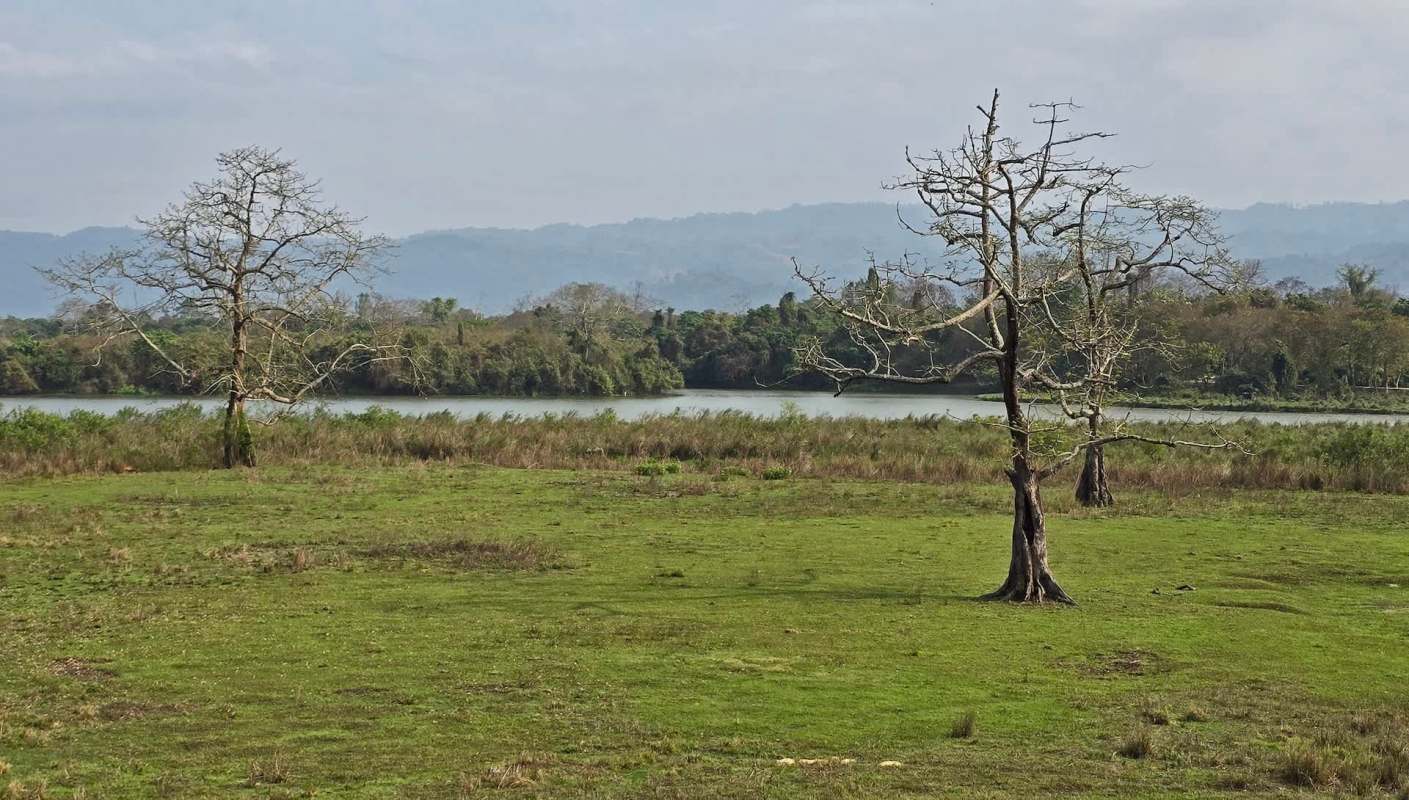
Kaziranga National Park in Assam is now home to 35 critically endangered vultures following a recent government-led conservation and reintroduction effort. The birds — 30 White-rumped vultures and five Slender-billed vultures — were recently transferred from the Vulture Conservation Breeding Centre in the nearby village of Rani and released into the protected park.
Both vulture species are listed as Critically Endangered on the IUCN Red List and are protected under India's 1972 Wildlife Protection Act. Their return to the national park marks a major step toward rebuilding local vulture populations, which have suffered dramatic declines over the past several decades.
"[T]hese guardians of our health return to the wild, marking a triumph of our dedicated conservation efforts," Assam chief minister Himanta Biswa Sarma posted on social media.
Vultures play a crucial role in keeping ecosystems — and people — healthy. The scavengers rapidly consume dead animals, including diseased carcasses, which helps prevent the spread of illness and reduces populations of disease-carrying scavengers like stray dogs. Their powerful digestive systems neutralize harmful bacteria, while their scavenging recycles nutrients back into the soil and helps keep water and land cleaner.
But in recent decades, vulture populations across India have sharply declined due to the birds feeding on livestock carcasses contaminated with diclofenac, a veterinary drug that causes fatal kidney failure in vultures. Poisoning due to pesticide use, habitat loss, and poaching further accelerated a decline in vulture populations.
Only an estimated 4,000 to 6,000 White-rumped vultures and 730 to 830 Slender-billed vultures remain in the wild.
In response, India banned veterinary diclofenac in 2006, and conservationists have worked for years to promote vulture-safe veterinary practices and reduce poison baiting through community education.
"Ongoing anti-poaching measures and vulture-friendly veterinary practices further enhance [Kaziranga's] suitability for soft releases, promoting natural foraging and nesting behaviours," Sonali Ghosh, field director of Kaziranga National Park, told the India Tribune.
Conservation breeding programs have been underway for more than 15 years, helping to breed more than 800 vultures nationwide. Small groups — like this vulture release — are now being gradually introduced into protected areas to assess how well the birds adapt to the wild, with more releases planned in the region.
TCD Picks » Quince Spotlight
💡These best-sellers from Quince deliver affordable, sustainable luxury for all




|
Do you think America does a good job of protecting its natural beauty? Click your choice to see results and speak your mind. |
 Definitely 👍
Get TCD's free newsletters for easy tips to save more, waste less, and make smarter choices — and earn up to $5,000 toward clean upgrades in TCD's exclusive Rewards Club.
Cool Picks






