


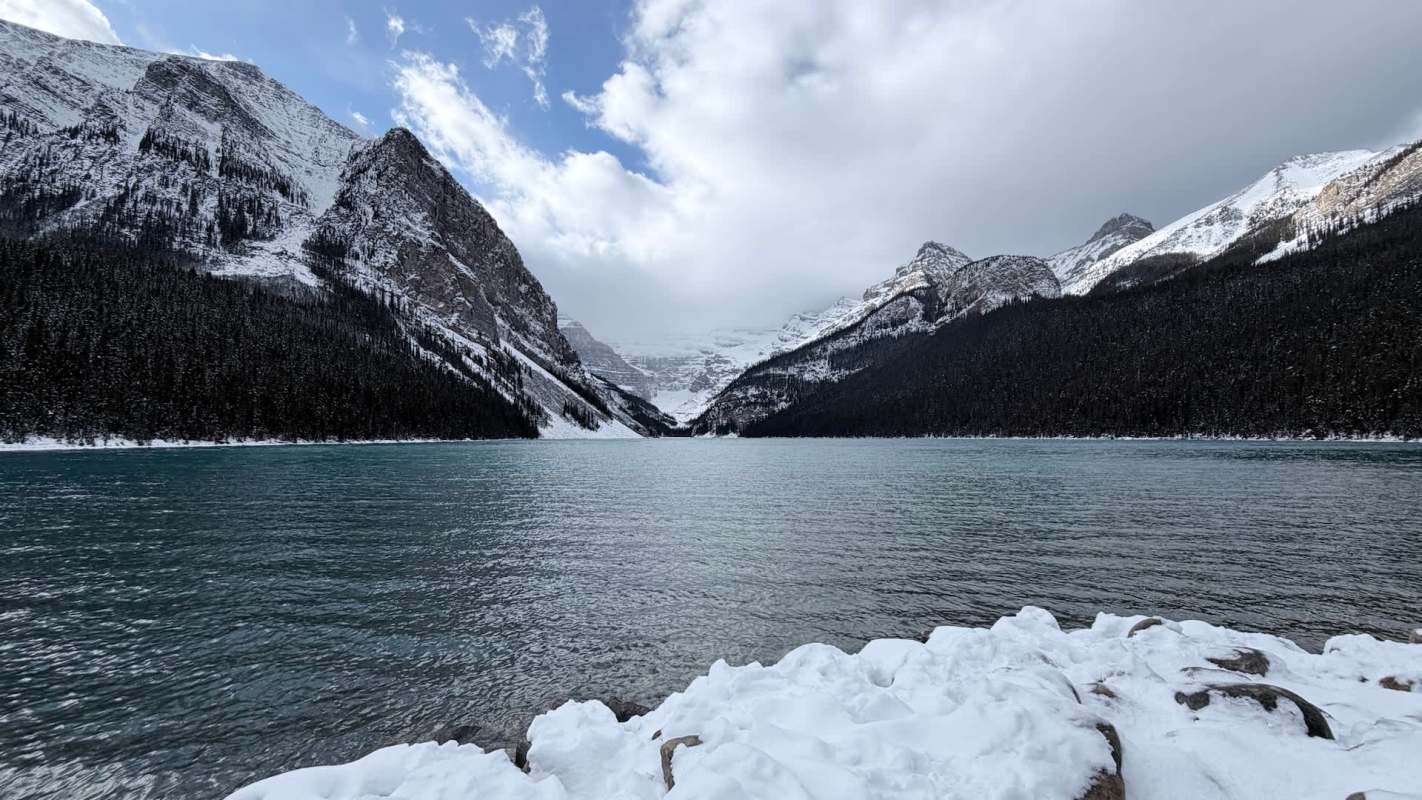
A new study from Concordia University paints a grim picture of the current state of the snowpack in the Canadian Rockies.
What's happening?
According to a study published in Nature, researchers examined a new trend known as "creeping snow drought," a phenomenon in which periods of low snowfall have significant downstream effects on other parts of the country.
While the study found that just 3% of Canada's landmass saw declines, that 3% is located in critical headwaters essential to people downstream from the Canadian Rockies.
For example, a 2015 drought saw the population of sockeye salmon in British Columbia's Okanagan region collapse due to warmer water temperatures driven by a lack of cold snowmelt. It also affected hydroelectric power in Saskatchewan, and in 2011, low snowpack led to serious impacts on shipping.
"You don't really realize it up to the time that you are in the middle of a crisis," Ali Nazemi, the corresponding author of the study and associate professor at Concordia, said in an interview, according to Nanaimo News Now.
Why is snow drought important?
The issue of less snow is serious, particularly in the American West and the Rocky Mountains. As temperatures climb in winter, there is less snowfall, leading to less snowmelt and reduced usable water in crucial aquifers and reservoirs across the region. This study illustrates how a lack of snow in those same mountains can have massive impacts downstream, even far enough away that you wouldn't expect it to affect them.
It's an incredibly timely study, as well, given that the Rockies are currently experiencing one of their worst snowy seasons in history. Ski resorts across the western half of North America have been forced to close for the season due to a lack of snowfall, and studies like this illustrate that the problems that lead to this will extend far beyond the mountains and wintertime.
What's being done about snow drought?
Nazemi noted that if snowfall trends continue, things could get much worse for the rest of Canada.
"We need to really think again about how we are managing our water and how we are developing around that new reality of water," he said, according to Nanaimo News Now. "We have a lot of people talking about the fact that the water future might actually be different from what we have now."
|
What's the most you'd pay per month to put solar panels on your roof if there was no down payment?
Click your choice to see results and speak your mind. |
 $200 or more 💰
Get TCD's free newsletters for easy tips to save more, waste less, and make smarter choices — and earn up to $5,000 toward clean upgrades in TCD's exclusive Rewards Club.
TCD Picks » Upway Spotlight
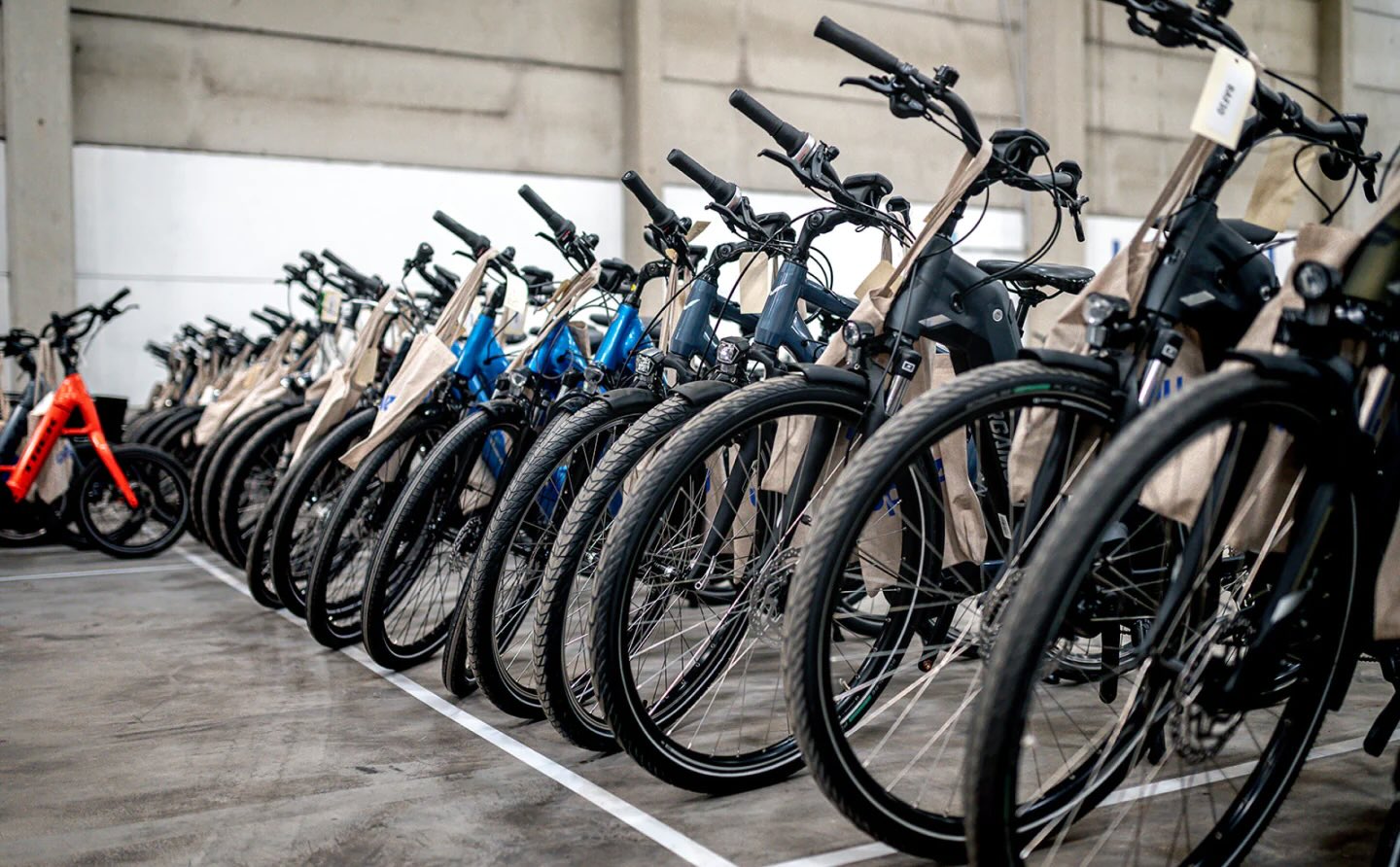
💡Upway makes it easy to find discounts of up to 60% on premium e-bike brands




Cool Picks






