


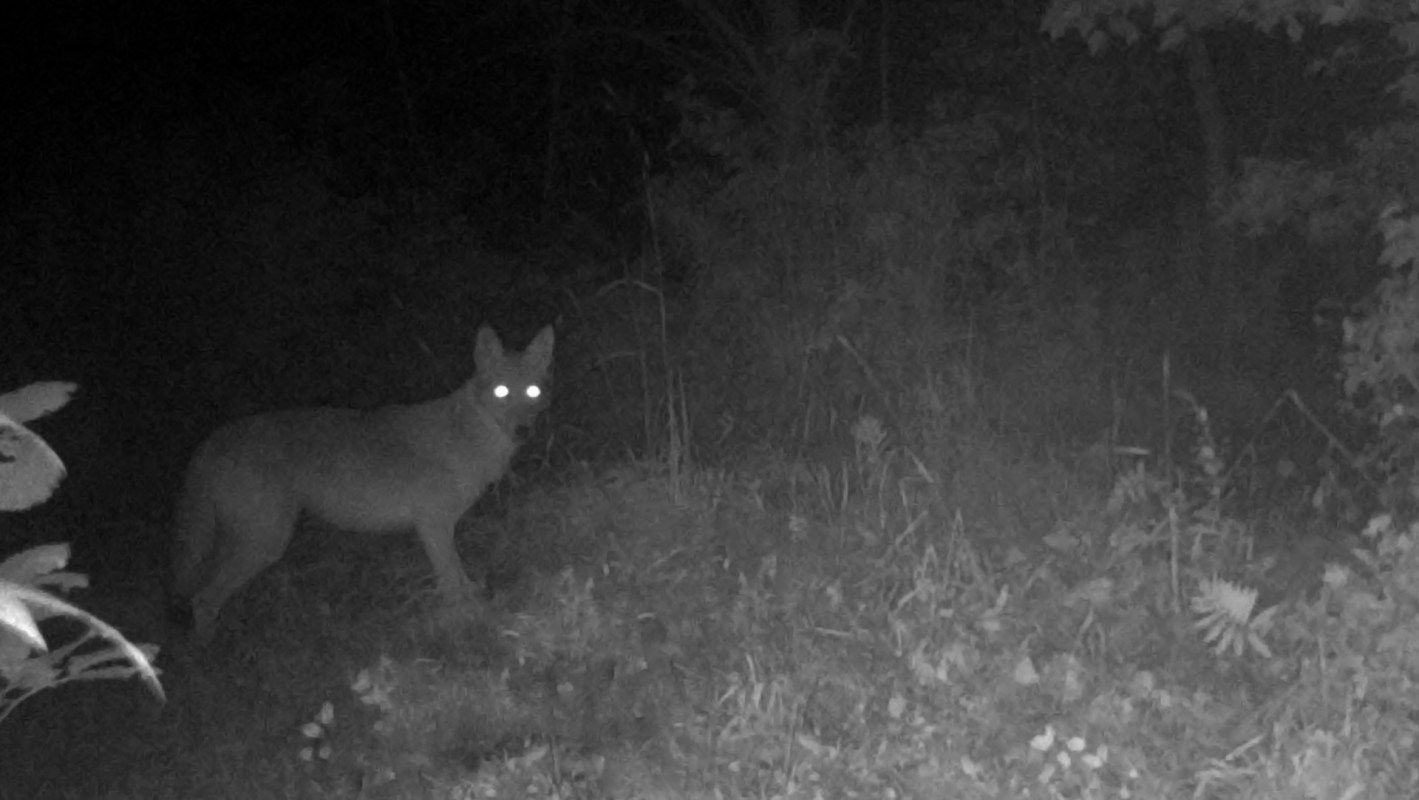
Footage from a trail camera in New York this summer revealed an unusual coyote with a build that seemed taller and leaner than normal, giving it a more athletic appearance than most.
The moment also highlights how cameras set out for deer scouting can end up recording many other animals moving through the same woods.
What happened?
While reviewing trail-camera images from a wooded area in New York, a hunter noticed a coyote that looked immediately out of the ordinary. As WYRK reported, the animal appeared very different from the coyotes usually seen nearby.
Trying to explain what made it stand out, the hunter said, "This animal looked exceptionally tall, lean, and athletic." They also noted, "I'm certainly not a wildlife biologist," but still called the coyote "one of the most unique I've ever seen in our area."
For many hunters, that kind of discovery is now part of the routine scouting, as trail cameras provide a steady look at deer, predators, and other wildlife that use the same habitat.
Coyotes are often at the center of debate among hunters. Some see them mainly as a risk to fawns, turkeys, and other animals, while others argue predators are part of a healthy ecosystem.
TCD Picks » Quince Spotlight
💡These best-sellers from Quince deliver affordable, sustainable luxury for all




Why does it matter?
The sighting underscores how often people and wildlife now overlap.
Trail cameras are human-made tools, and the habitats they monitor are often shaped by human activity. Those changes can create environments where highly adaptable animals, such as coyotes, can thrive.
That does not mean this coyote was dangerous.
That overlap can affect daily life for people living near wooded areas, whether they are protecting pets, managing small livestock, or simply trying to understand what is moving through their backyard at night. It also matters for prey species that hunters and conservationists watch closely.
As the BBC noted, growing human expansion into wild spaces can increase encounters with animals, even when those species are simply following natural instincts in increasingly altered habitats.
What's being done?
In New York, the state's Department of Environmental Conservation is responsible for maintaining a balance between predators and prey through hunting seasons, regulations, and conservation work, according to WYRK. That management is intended to protect wildlife populations.
For hunters and landowners, trail cameras can be useful for more than scouting alone. They can help people better understand which species are using a property, when predators are active, and whether young wildlife, such as fawns or poults, are appearing during the summer months.
Unusual sightings can be useful information rather than an immediate cause for alarm. Watching wildlife closely — and responsibly — can give conservation agencies a clearer picture of how local ecosystems are changing.
"Keep checking those cameras," the hunter who captured the coyote on camera said, per WYRK. "You never know what might walk by next, and you just might capture something you've never seen before."

Get TCD's free newsletters for easy tips, smart advice, and a chance to earn $5,000 toward home upgrades. To see more stories like this one, change your Google preferences here.







