


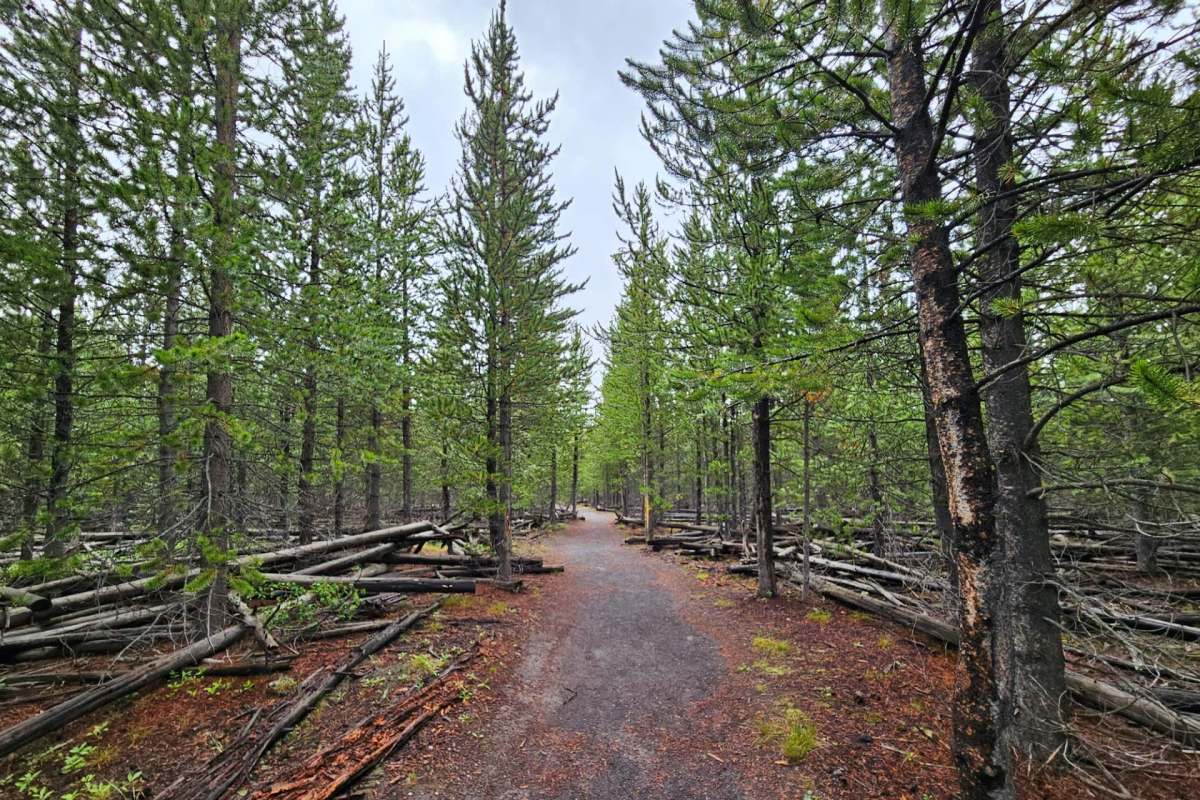
Trail cameras in Yellowstone National Park captured remarkable footage revealing how cougars adapted their hunting strategies after wolves returned to the ecosystem, showing the power of technology to document wildlife recovery and guide conservation efforts, per Discover Wildlife.
Researchers from Oregon State University installed remote cameras throughout the park to monitor cougar populations and observe how the apex predators interact with other species, particularly wolves. Their study, published in the Proceedings of the National Academy of Sciences, analyzed nine years of GPS telemetry data and 3,929 potential kill-site investigations.
Scientists discovered wolves frequently stole cougar kills, creating what researchers termed an "enemies with benefits" dynamic. Elk represented four-fifths of cougar meals during the late 1990s and early 2000s but dropped to roughly half by the 2020s.
Remote monitoring technology provides conservation researchers with vital information about population dynamics and ecosystem recovery by recording animal behavior in undisturbed natural settings. Footage was shared to Facebook by LiveScience.
Wolf theft of cougar kills drove their interactions with one another, even leading to cougar deaths. However, their relationship was also symmetric — cougars avoided wolf kills and never killed wolves themselves. As elk populations declined, cougars discovered that wolves stole deer carcasses at one-sixth the rate they did elk kills.
"We do not think cougars are able to connect the dots and instead hunt what is available," lead researcher Wesley Binder said, according to Discover Wildlife. "We see variation in prey selection based on the age and size of the cougar — younger and smaller females tend to hunt more deer, while older, larger males hunt more elk."
Cougars, in turn, modified their behavior by staying near trees that offered escape routes and targeting different prey. Instead of fighting over elk, they focused their energy on deer species that reduced handling times and wolf encounter risks.
Understanding predator interactions helps wildlife managers across North America to anticipate ecosystem changes as both species reclaim historical ranges. Healthy predator populations also help to maintain overgrazing, protecting vegetation that filters water supplies and supports biodiversity.
"Our findings demonstrate that landscape structure and prey diversity, not just prey abundance, determine apex carnivore coexistence, providing a predictive framework for carnivore restoration globally," the study stated.
|
What's the most you'd pay per month to put solar panels on your roof if there was no down payment?
Click your choice to see results and speak your mind. |
 $200 or more 💰
Get TCD's free newsletters for easy tips to save more, waste less, and make smarter choices — and earn up to $5,000 toward clean upgrades in TCD's exclusive Rewards Club.
TCD Picks » Upway Spotlight
💡Upway makes it easy to find discounts of up to 60% on premium e-bike brands





Cool Picks






