


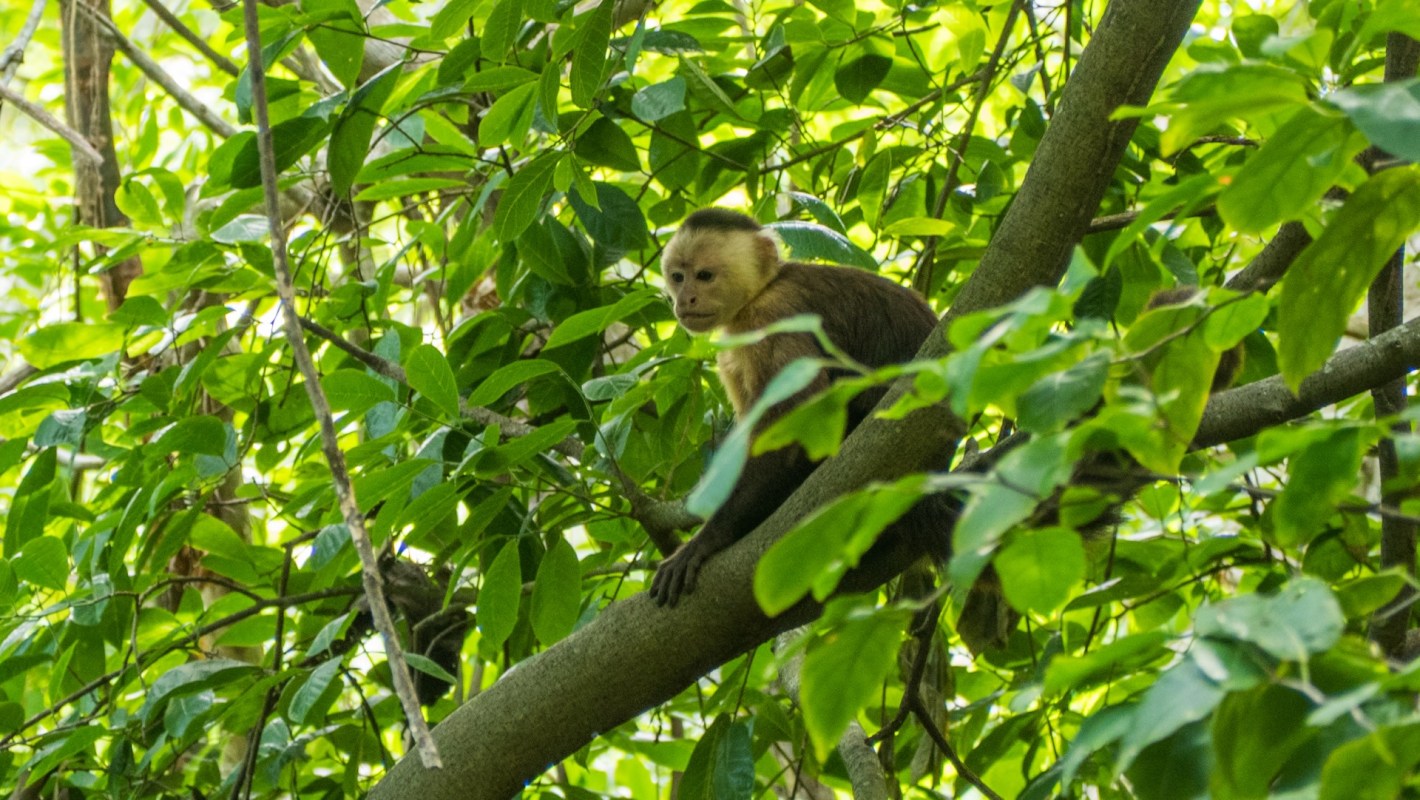
Conservationists are restoring the habitat of a critically endangered monkey species in northern Colombia.
The cotton-top tamarin is among the rarest primates in the world, and it is threatened by deforestation, biomedical research, and the illegal pet trade.
Tens of thousands of these animals were exported to the U.S. for research in the 1960s and 1970s.
Ecological restoration projects like this are needed all over the world, to ensure that there is enough habitat for the planet's 5 million+ species, and to fulfil the vital ecological services that forests provide.https://t.co/M9WIMPeoH7
— Alan Watson Featherstone (@AlanWatsonFeat1) December 2, 2025
As The Guardian reported, fewer than 7,500 of these rare primates remain in the wild. They are found only in the tropical dry forests of northern Colombia, and the species' survival depends on these restoration efforts.
Cotton-top tamarins, also known as Titís, live in tight-knit family groups, defend their territory, and communicate with calls. They also play an essential role in the natural environment by dispersing seeds and pollinating flowers.
"Titís are a lot like us," said Rosamira Guillen from Fundación Proyecto Tití. "They teach you things. They look after their young. The only thing missing is that they don't speak Spanish."
To preserve the species, Fundación Proyecto Tití has planted approximately 120,000 trees and shrubs, with 60,000 more planned for next year. The monkeys are already beginning to enter the newly forested areas that had been stripped bare.
The organization is also monitoring the population using small transmitters attached to dominant males in family groups.
This work will not only help restore the cotton-top tamarin population but also the habitats of other animals, including turtles, birds, and other monkeys.
This story from Colombia is inspiring because it shows the dedication and success of local conservation efforts. Meanwhile, numerous other notable land-restoration and species-reintroduction projects have successfully protected loggerhead turtles, wolves, among other examples.
TCD Picks » Quince Spotlight
💡These best-sellers from Quince deliver affordable, sustainable luxury for all




|
Should the U.S. government ban all products tested on animals?
Click your choice to see results and speak your mind. |
 Absolutely 👍
 Such projects help save individual species from extinction. However, they also help preserve the broader ecosystem, food chain, and ecological balance on our planet.
Wherever you live, you can take local action to protect endangered species by volunteering your time or donating money to conservation groups. Sharing news stories like this one about the cotton-top tamarins can also spark advocacy among people you know.
"When you protect the forest for cotton-tops, you protect it for everything else that lives there," Guillen said.
As an ecologist and natural photographer shared on LinkedIn, "Ecological restoration projects like this are needed all over the world, to ensure that there is enough habitat for the planet's 5 million+ species, and to fulfill the vital ecological services that forests and other natural healthy ecosystems provide."

Get TCD's free newsletters for easy tips to save more, waste less, and make smarter choices — and earn up to $5,000 toward clean upgrades in TCD's exclusive Rewards Club.
Cool Picks






