


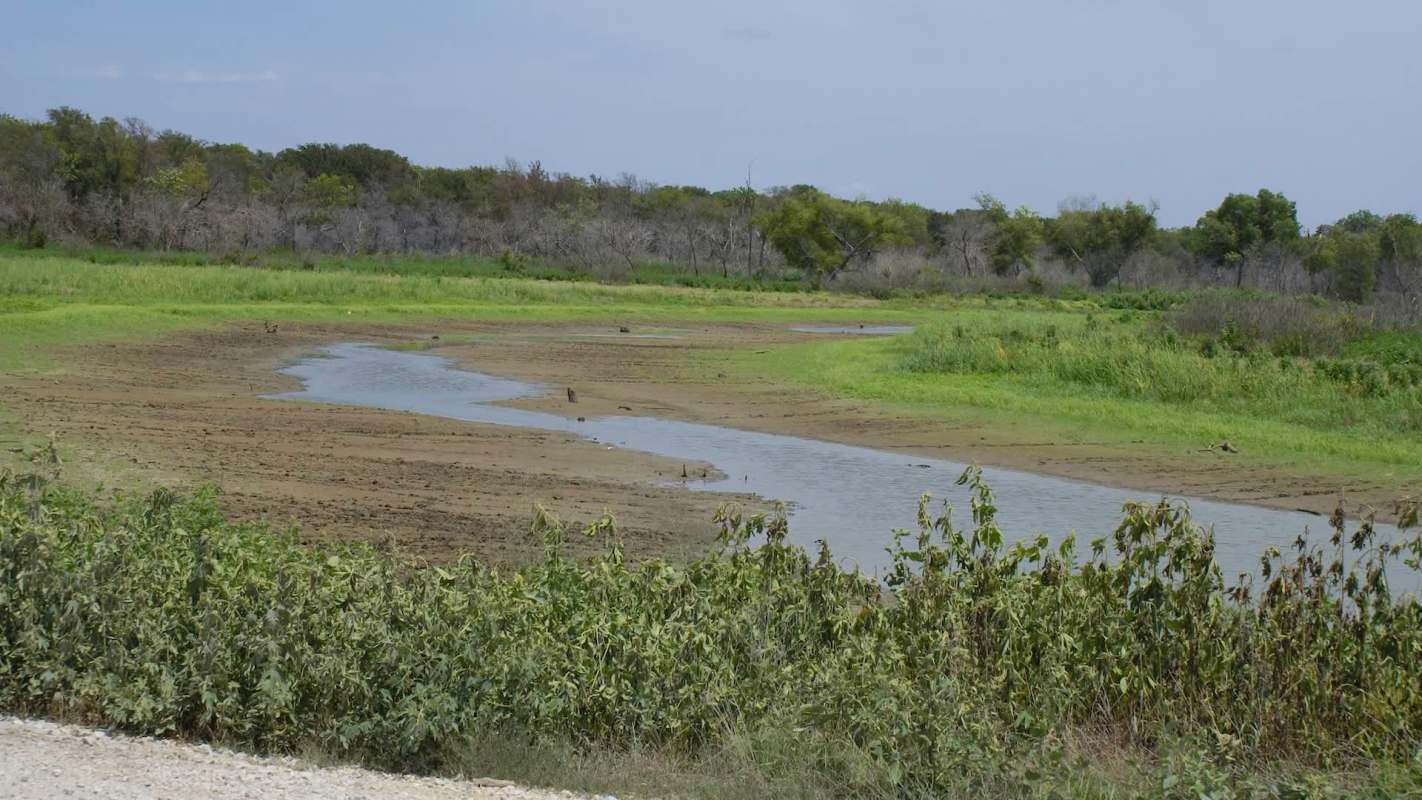
Leaders in Corpus Christi, Texas, are warning that a significant water shortage could hit within weeks, as drought conditions and dwindling reservoir levels push the region toward an increasingly urgent crisis, according to Inside Climate News.
Officials said mandatory water restrictions could be implemented as early as April, which is much sooner than previously expected.
What's happening?
The concern centers on Lake Texana, the largest remaining water source for Corpus Christi.
Under existing agreements, the city must reduce its water usage by 10%, about 7 million gallons per day, once the lake drops below 50% capacity.
Currently, Lake Texana's water level is hovering just above that critical threshold. Without substantial rainfall, officials warn it could fall below 50% within weeks.
If levels continue to decline, water managers caution that mandatory water cuts could increase to 20%, about 14 million gallons per day, as early as May.
"We haven't had any rain since July of last year," said Patrick Brzozowski, general manager of the Lavaca-Navidad River Authority, per Inside Climate News.
Corpus Christi supplies water to about 500,000 residents, along with industries such as oil refineries and shipping operations — all of which depend heavily on a steady water supply.
Why is this shortage concerning?
For residents, reduced water availability can affect drinking water access, sanitation, and daily life.
For businesses, especially water-intensive industries such as refineries, shortages can force slowdowns or shutdowns, potentially impacting jobs, fuel production, and the broader economy.
TCD Picks » Quince Spotlight
💡These best-sellers from Quince deliver affordable, sustainable luxury for all




"You cut off 7 million gallons per day, that would be a huge problem for the city," said Mike Pusley, a career oilman for Exxon and EOG Resources, per Inside Climate News. "We don't have anything to replace that."
On a broader scale, crises like these are becoming increasingly common as prolonged drought, rising temperatures, and shifting weather patterns cause reservoirs to drain faster than they can be replenished.
When water systems are stretched this thin, even a short period without rain can push regions toward crisis.
Corpus Christi is already projected to run out of water entirely by 2027 without major changes or rainfall — a scenario experts said was once unthinkable.
What's being done about the shortages?
City officials said they are preparing emergency measures to stretch existing supplies and delay mandatory cuts. These include securing additional water rights, developing emergency well systems, and revisiting plans for a large-scale desalination plant that would convert seawater into potable water.
Leaders are also weighing policies that could push large industrial users to reduce consumption during shortages.
In the meantime, experts say long-term solutions will depend on improved water planning and infrastructure investments to handle increasingly unpredictable conditions.
|
Which of these savings plans for rooftop solar panels would be most appealing for you?
Click your choice to see results and earn rewards to spend on home upgrades. |
 Save $1,000 this year 💸
Get TCD's free newsletters for easy tips to save more, waste less, and make smarter choices — and earn up to $5,000 toward clean upgrades in TCD's exclusive Rewards Club.
Cool Picks






