


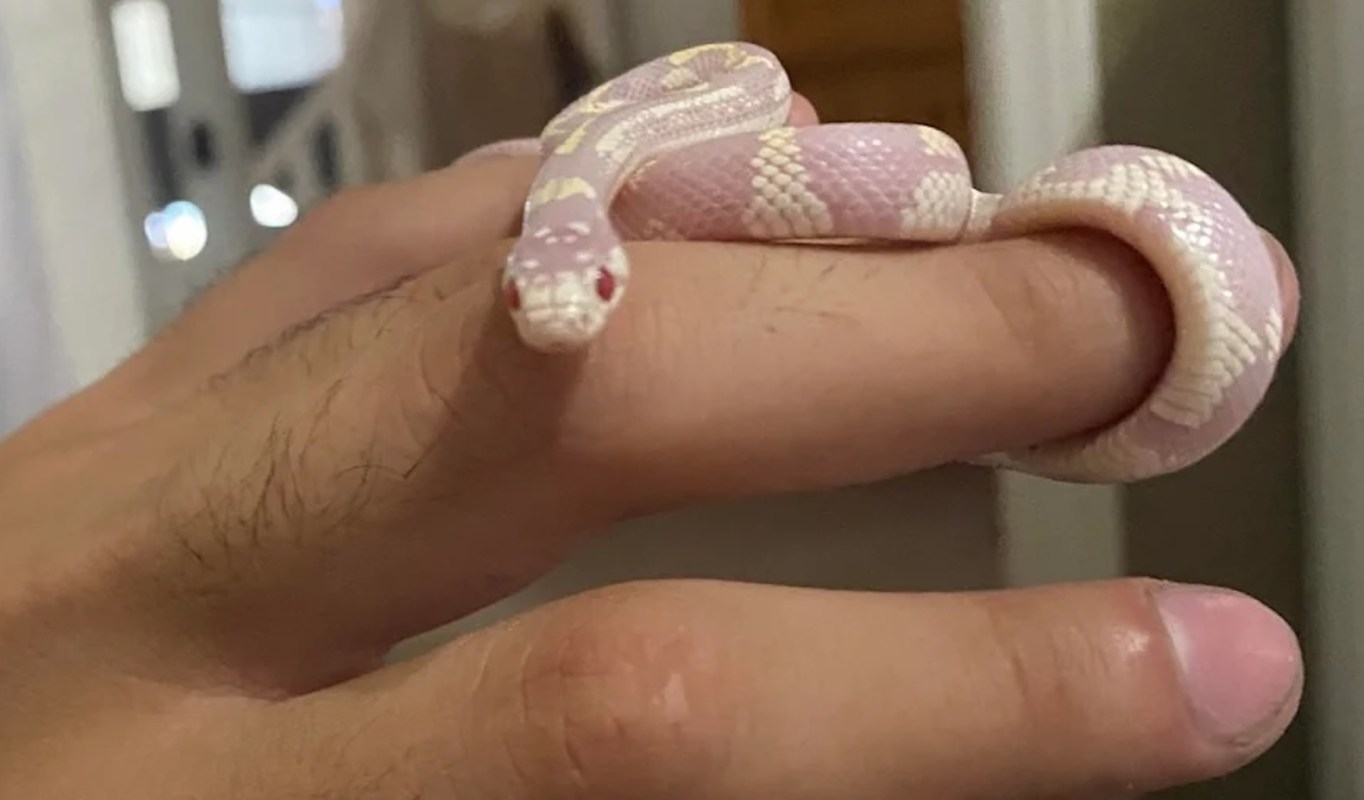
A Reddit post about a tiny snake turned into a quick wildlife ID lesson after users zeroed in on one important detail that clearly ruled it out as a wild snake. That was its distinctive red-orange pattern.
What happened?
In the r/Snakes subreddit, a user said their sister had found a baby snake and wanted to know whether it was a corn snake and roughly how old it might be. The thread eventually drew a crowd, as users helped distinguish the harmless reptile from far more concerning types like a copperhead.
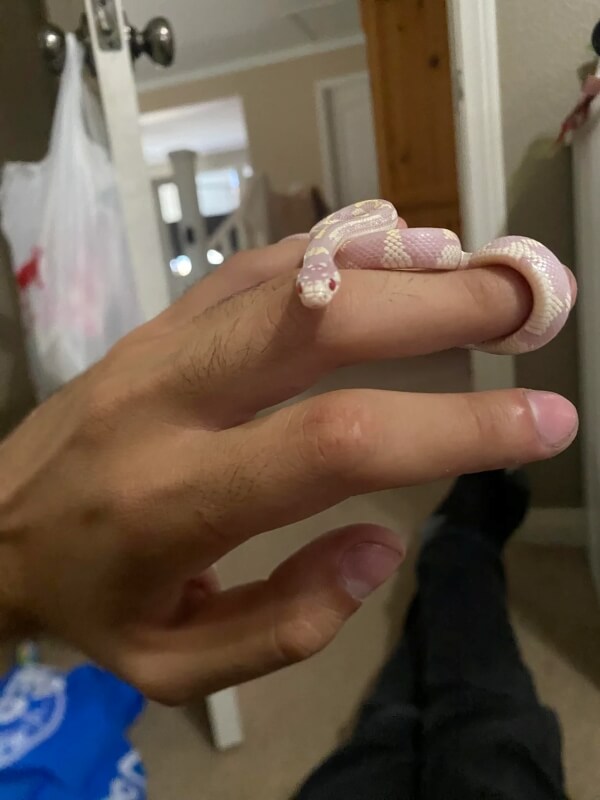
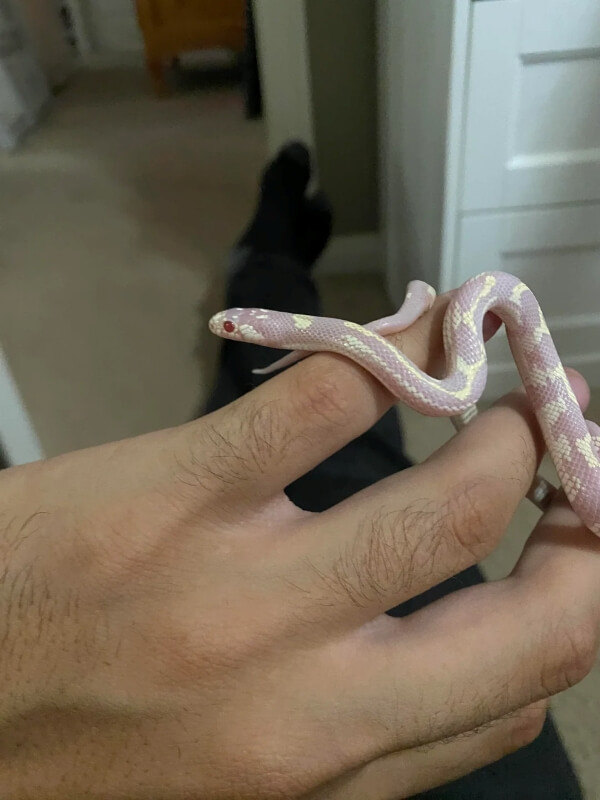
The consensus quickly identified it as a juvenile corn snake. They pointed to the species' signature red-orange blotches, a pattern that often helps distinguish young corn snakes from venomous copperheads.
"That's absolutely a pet," one said. "That morph could not survive in the wild!"
That distinction became the focus of much of the discussion. While both snakes can appear patterned, users explained that corn snakes tend to have red-orange blotches, rather than the bands many people associate with copperheads.
The user who identified the snake explained why they were so sure it was a pet.
TCD Picks » Quince Spotlight
💡These best-sellers from Quince deliver affordable, sustainable luxury for all




"Doesn't blend in with the natural environment so easily seen by a predator," they added.
Why does it matter?
Confusing a harmless juvenile corn snake with a venomous one can lead to unnecessary fear, risky handling, or the killing of a beneficial native animal or pet.
In the wild, corn snakes help control rodent populations, making them valuable neighbors around homes, sheds, gardens, and farms.
These run-ins may also be becoming more common as human activity pushes wildlife into closer contact with people. Expanding neighborhoods, roads, mowed yards, and fragmented habitat all make snakes more likely to show up where families live, walk, or work.
Knowing what common local species look like can reduce panic, improve safety, and help protect animals that are simply trying to move through shrinking habitat. It can also aid a potential reunion with the owner.
If you come across a small snake and aren't sure what it is, the best first step is to keep your distance at least initially. Avoid trying to pick it up, corner it, or kill it. A photo taken from a safe distance can help with identification later.
If the snake is outdoors and not in immediate danger, leaving it alone is often the best option. Or, if you're sure it's a pet, you can put the word out and try to find a safe way to secure it for the owner.
What's being done?
The community encouraged the OP to check Facebook and Nextdoor to see if anyone had reported a missing snake. They responded that it was found near a shopping center, far away from homes. To that, a user theorized it might be missing from a pet store.
Regardless, the OP could contact a local wildlife rehabilitator, animal control office, or licensed snake relocator for help.

Get TCD's free newsletters for easy tips, smart advice, and a chance to earn $5,000 toward home upgrades. To see more stories like this one, change your Google preferences here.







