


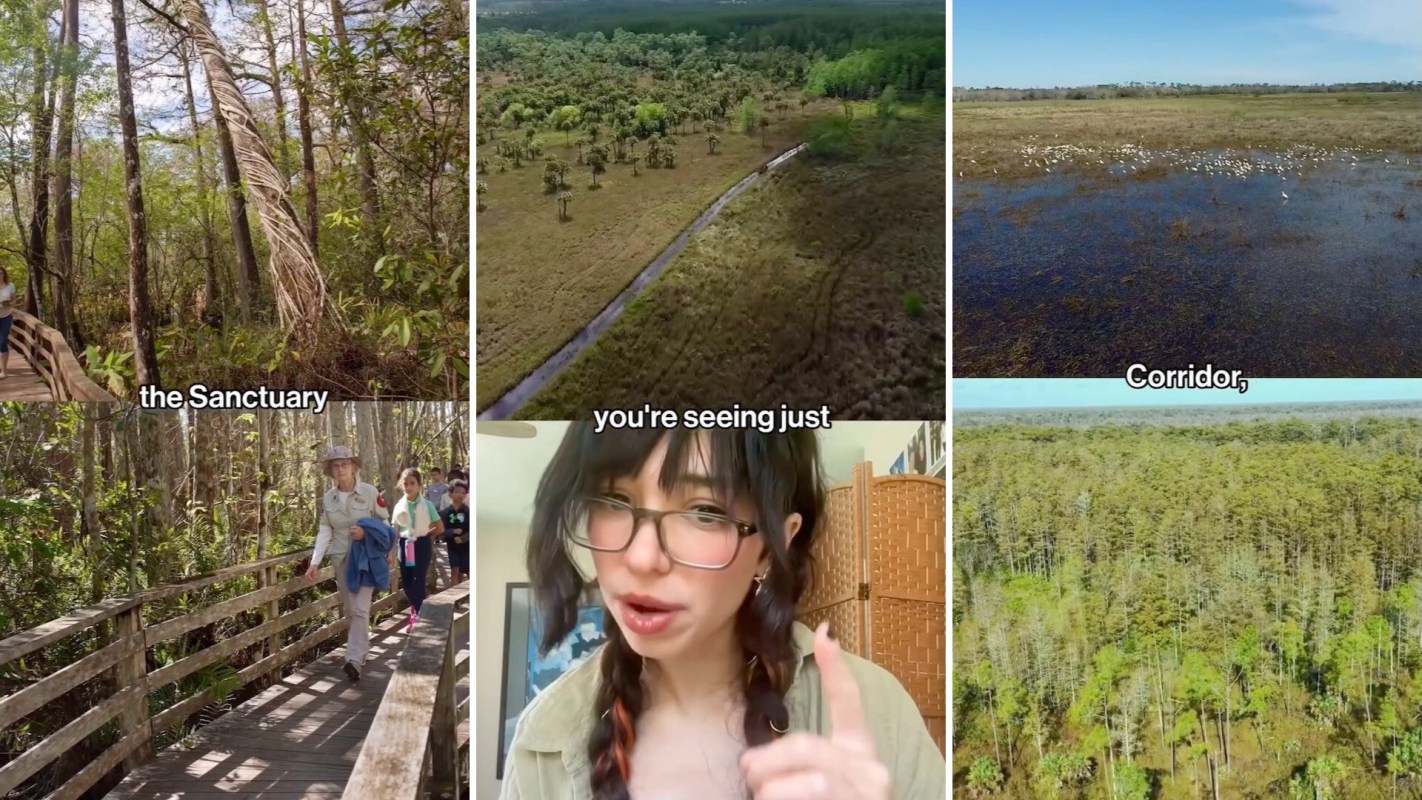
Much of the land protected at Corkscrew Swamp Sanctuary in southwest Florida lies beyond its boardwalk.
The path passes towering cypress trees and expansive marshland, but the conservation supported by an admission ticket extends much farther across the sanctuary than that view suggests.
What's happening?
According to a recent Instagram post from Ezra Mercy (@ez.mercy) and the National Audubon Society (@audubonsociety), the boardwalk covers only a small portion of Corkscrew Swamp Sanctuary, while each visitor's admission helps protect the rest of the preserve.
Ezra said that Corkscrew was founded in 1954, when old-growth bald cypress across the Everglades was being widely logged, and that the sanctuary has since grown to more than twice its original size. The property now protects 13,000 acres, including pine flatwoods, wet prairie, and bald cypress swamp.
Corkscrew is also part of a wider Audubon effort, with 33 centers across the country connected through a national conservation mission.
Why does it matter?
Corkscrew lies within the Florida Wildlife Corridor, a connected habitat network that allows animals to move safely instead of becoming cut off in smaller and smaller patches of land.
TCD Picks » Quince Spotlight
💡These best-sellers from Quince deliver affordable, sustainable luxury for all




In the post, Ezra said, "Just one acre stores over a million gallons of fresh water, recharging our aquifers." Wetlands also help store and naturally filter the water that surrounding communities depend on.
That role is especially important as the Everglades continue to face pressure. Protecting places like Corkscrew can help nearby communities through cleaner water, greater flood resilience, tourism, and the economic value of healthy ecosystems.
What's being done?
Ezra said that Audubon's conservation team is restoring habitat at Corkscrew, including efforts aimed at the invasive Carolina Willow. The group said the work relies on a three-step approach — mulching, burning, and monitoring — to return the ecosystem to balance.
Admissions help support that effort. Ticket revenue protects wildlife, funds restoration work, and supports the wetland systems that make the Western Everglades so significant — or, as the post put it, "your ticket literally goes farther than your eyes can see."

Get TCD's free newsletters for easy tips, smart advice, and a chance to earn $5,000 toward home upgrades. To see more stories like this one, change your Google preferences here.







