


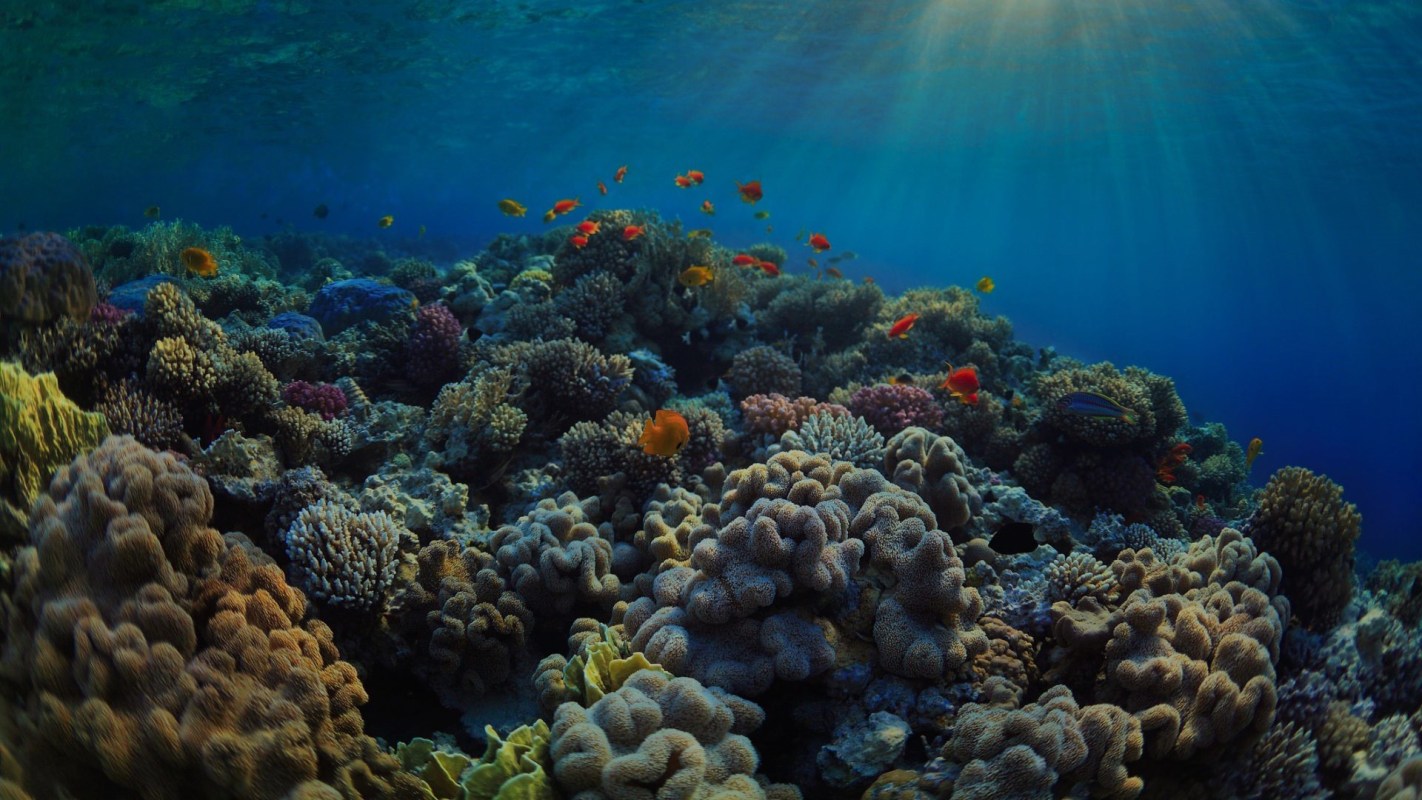
Rising ocean temperatures aren't the only factor stressing ocean corals. Researchers have also found that microplastic pollution in oceans is disrupting coral reproduction, preventing coral populations from replenishing, Oceanographic Magazine reported.
What's happening?
Research conducted by scientists at the University of Hawaiʻi at Manoa explored the impact of microplastic pollution on coral health. The body of work, published in two parts, provided empirical evidence on how microplastic chemicals reduce coral fertilization rates.
The first study, published in the Integrative and Comparative Biology journal, investigated whether there was a difference in the effects of microplastics themselves or microplastic leachate on the fertilization rates of a coral reef species, Montipora capitata, also known as rice coral or pore coral.
The study found that microplastic leachate does negatively impact coral fertilization rates across "several concentrations and polymer types," the study read.
The second study, published in Frontiers in Marine Science, explored how microplastic leachates disrupted the development and survival rate of coral larvae. The study found that microplastic leachates "significantly impacted survival and settlement" of pore coral and harbor Porites planula larvae, a type of brooding coral species that fertilizes and develops its larvae internally.
"When people think of threats to coral reefs, microplastics are often unnoticed," said Keiko Wilkins, lead author on the microplastics studies, per Oceanographic Magazine.
TCD Picks » Quince Spotlight
💡These best-sellers from Quince deliver affordable, sustainable luxury for all




Why are coral reefs important?
Often called the "rainforests of the sea," coral reefs aren't only stunning to look at; they represent one of the most diverse and essential ecosystems in the ocean.
Despite covering less than 1% of the entire ocean floor, coral reefs support about 25% of all marine life, according to the Environmental Protection Agency. Coral reefs provide safe breeding grounds and habitats for many marine life species, ranging from different species of fish to sea turtles and sea urchins.
Coral reefs also act as a natural shoreline barrier against extreme weather events, absorbing up to 97% of the energy from large waves. Researchers in Florida are investigating how coral reef restoration could help rebuild the state's storm-battered coastline.
What's being done about microplastic pollution?
Microplastics have pervaded nearly every corner of the planet. Scientists have found microplastics in the ocean, on high-elevation points in nature, and even in the human body. These tiny particles of plastic have adverse health effects on humans and, as studies on coral microplastics have found, on marine life and ocean ecosystems.
|
How concerned are you about the plastic waste in our oceans? Click your choice to see results and speak your mind. |
 Extremely 😫
 Fortunately, researchers are also finding solutions to tackle the global microplastics problem.
South African researchers have created two powders capable of removing up to 96% of small polyethylene particles and 92% of polystyrene particles from purified water.
Sheyna Patel, 14, has been recognized as a 3M Young Scientist finalist for creating a hydrogel that can remove 93% of PET microplastics from water.
These microplastic solutions help mitigate the damage that microplastics have already done to public health and the environment. You can be part of the solution, too, by eliminating the source of the problem: using less plastic.

Join our free newsletter for good news and useful tips, and don't miss this cool list of easy ways to help yourself while helping the planet.







