


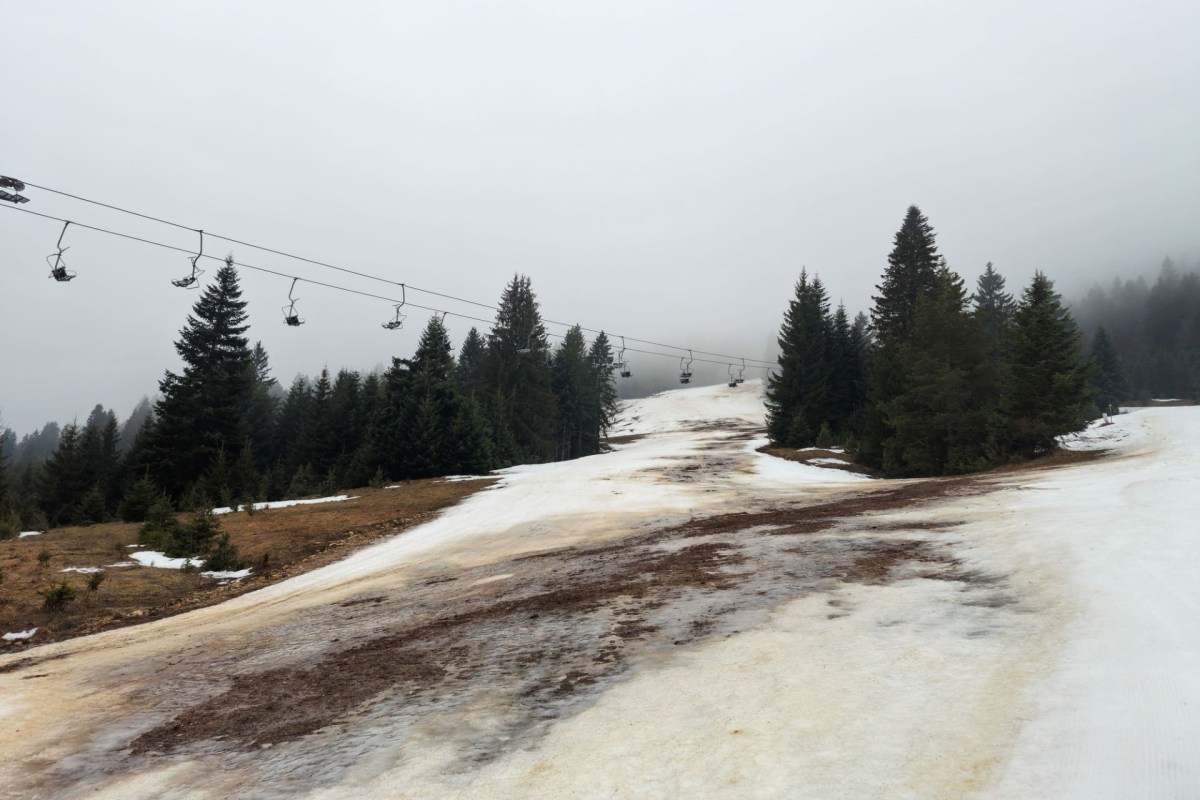
Colorado's ski season is struggling with below-normal snow levels, hurting mountain communities and an industry worth billions, The Conversation reported.
What's happening?
On Thanksgiving 2025, snowpack was at just 45% of normal levels. That number climbed to only 57% by January 2026, leaving roughly half of ski runs at resorts across the state closed.
Winter Storm Fern dropped over 20 inches at Crested Butte and about a foot at Aspen Snowmass during the final full weekend of January. However, forecasts predict warm conditions will continue through April.
The lack of powder is hitting local businesses hard.
"Across the board, between service, work, rental and retail, we are down," Jack Marriott, manager at Larson's Ski & Sport in Wheat Ridge, told Denver7.
Some shops report sales falling 20-30% from a normal winter.
Why is low snowpack concerning?
Dry winters aren't new. The scientific consensus is that human-driven warming makes these events more frequent and severe. December 2025 temperatures in Denver ran about 11 degrees Fahrenheit above normal.
November snowfall in Colorado has dropped since the 1980s, making it harder to establish early-season coverage on slopes. March snow totals have fallen, too, reducing the number of family and student spring break visitors.
The effects aren't limited to skiing. Melted snow supplies up to 80% of Colorado's water. A mild winter often means summer drought, more wildfires, and less water for river activities like fishing and rafting.
Colorado's ski industry employs over 46,000 people and brings in nearly $5 billion each year. When snow doesn't fall, these livelihoods are at risk.
TCD Picks » Quince Spotlight
💡These best-sellers from Quince deliver affordable, sustainable luxury for all




|
What's the most you'd pay per month to put solar panels on your roof if there was no down payment?
Click your choice to see results and speak your mind. |
 $200 or more 💰
 "If we think about who's actually impacted, it's that small business in Vail," Lincoln Davie, associate professor of sport management at Metropolitan State University of Denver, told Denver7.
"It's the individual who's trying to make a livelihood in the ski industry, but their season's cut short."
What's being done about low snowpack?
Resorts have invested millions in snow-making equipment. These machines can only cover a small portion of most mountains and need cold temperatures to work.
Many ski destinations are adding warm-weather options, such as bike trails and outdoor concerts, to attract visitors year-round.
Support local mountain businesses when you visit. Contact your state representatives to voice support for policies that address warming temperatures.

Get TCD's free newsletters for easy tips to save more, waste less, and make smarter choices — and earn up to $5,000 toward clean upgrades in TCD's exclusive Rewards Club.
Cool Picks






