


Parks are more than just green spaces; they're part of how cities live and breathe. But even new renovations can falter when design doesn't meet reality.
Toronto's College Park is already headed back to the drawing board, just six years after its last major renovation, reported blogTO, as visitors raise repeated concerns about its worn grass and poorly designed paths.
The park, which completed a three-year renovation in 2019, was initially praised for new features, including the annual Barbara Ann Scott skate trail. But its summer appearance drew criticism, with pathways laid out for aesthetics rather than actual use, leading to trampled grass and patches of bare soil.
The revitalization was funded with 3 million Canadian dollars ($2.2 million) in community benefits from a nearby condo development. The project built the park atop a private parking garage, promising a green space that felt cared for. Yet after just a few seasons, the fragile turf began falling, leaving the city of Toronto to quietly start a second renovation.
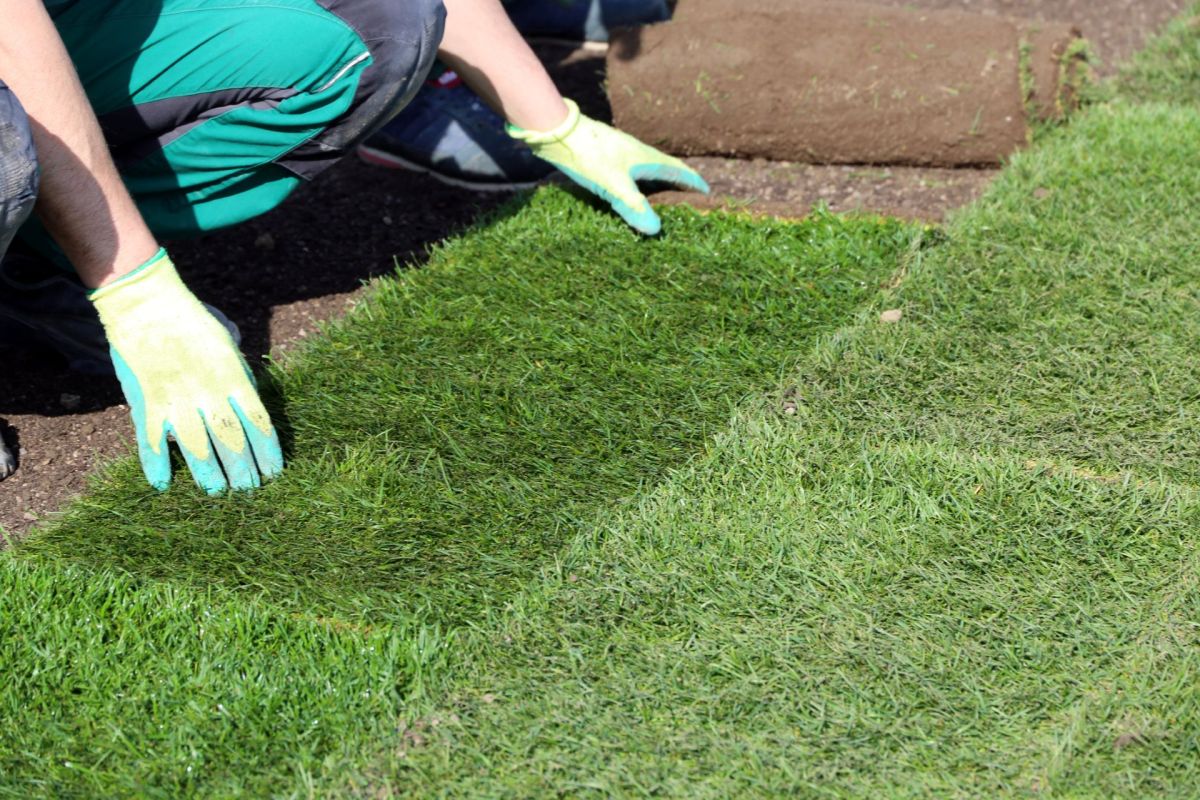
Since Sept. 8, the northwest section of College Park has been closed to the public while crews replace its grass with artificial turf. According to blogTO, the city said the work includes new plantings, seating, and a pathway connecting the north entrance to the skate trail, aiming to "reduce muddy conditions caused by worn-down grass and create a defined pedestrian pathway."
But some park visitors aren't convinced artificial turf is the answer.
One commenter wrote: "Mud is bad, but artificial turf is even worse. It gets matted, holds pet urine smells and gets scorching hot in summer. Who would want to spend time there?"
There are additional hidden costs. Synthetic grass can leach harmful chemicals like PFAS, shed microplastics, and intensify urban heat. Unlike natural lawns, it offers no food for pollinators or habitat for wildlife, and its installation and eventual replacement come with steep costs.
Park owners and city planners have more practical and environmentally beneficial options. For example, native species such as clover or drought-tolerant grasses can reduce maintenance costs, cut water bills, and provide habitat for pollinators.
With thoughtful design and natural alternatives, parks like College Park could offer both beauty and ecological benefits, showing that urban green spaces can serve both people and nature.
TCD Picks » Quince Spotlight
💡These best-sellers from Quince deliver affordable, sustainable luxury for all




|
Should artificial turf be banned from sports fields? Click your choice to see results and speak your mind. |
 Absolutely! 💯
Get TCD's free newsletters for easy tips to save more, waste less, and make smarter choices — and earn up to $5,000 toward clean upgrades in TCD's exclusive Rewards Club.
Cool Picks






