


Rising sea levels have continued to impact coastal communities across the globe. This includes Nantucket Island, Massachusetts, which is now taking drastic measures to adjust to encroaching waters.
What's happening?
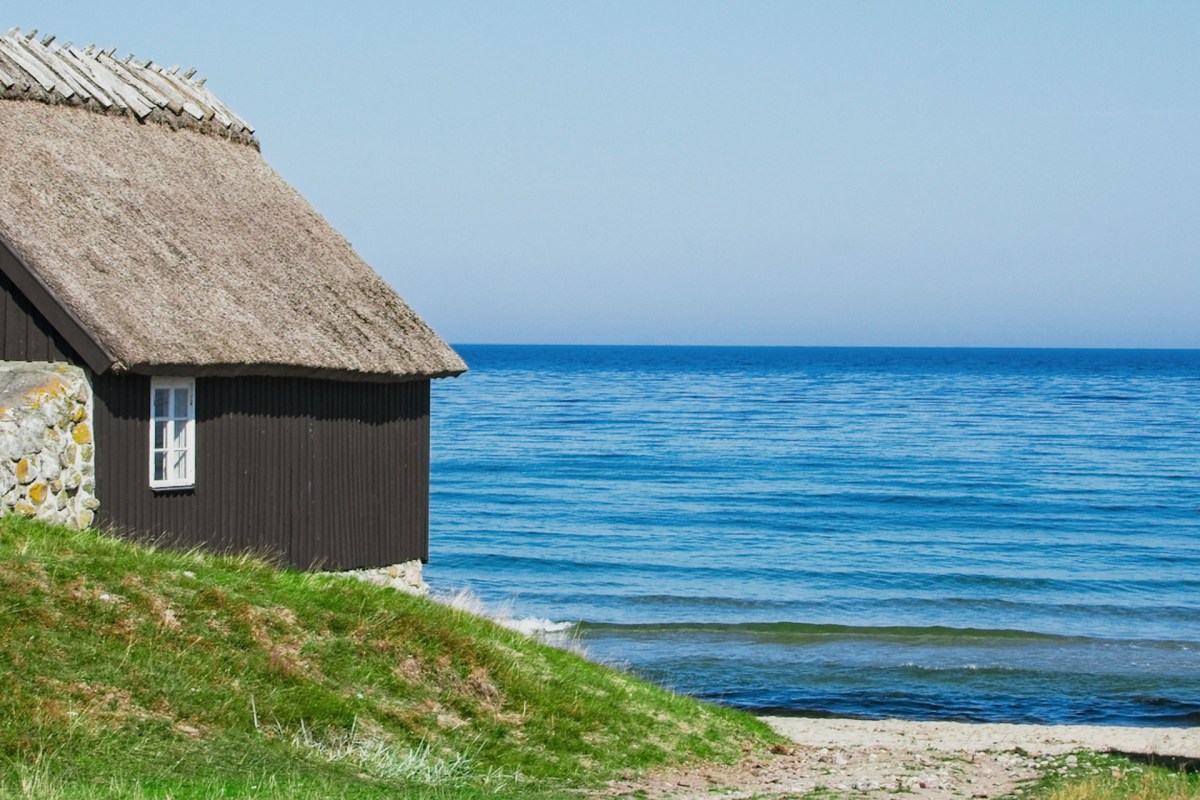
As reported by Nantucket Current, the Nantucket Conservation Foundation is relocating a 50-year-old ranger shack on the Coatue Wildlife Refuge because of sea level rise and an uptick in severe storm activity.
The ranger station on Coatue has been inundated by encroaching waters for years. Since 2020, it has averaged two flooding events a year.
Officials have chosen to relocate the station about 80 feet further inland. The project will start this fall and is expected to be completed by May 2026.
"Due to increasing sea level rise and more frequent southerly storms, the Nantucket Conservation Foundation will relocate its Ranger Shack to higher ground this fall to protect the structure and ensure the continued stewardship of the Coatue barrier beach," the foundation wrote in a statement.
The station is in a remote, isolated part of the wildlife refuge, a seven-mile-long barrier beach that often takes the brunt of approaching storms and unforgiving Atlantic waters. The seasonal outpost serves as housing for a seasonal shorebird monitor and ranger on Coatue.
Why is the relocation of the ranger station on Coatue important?
NCF wildlife research ecologist Danielle O'Dell emphasized how important the ranger station is to Nantucket.
"A seasonal Coatue Ranger and Shorebird Monitor living at the ranger station is crucial to the success of our shorebird program," O'Dell told Nantucket Current.
According to O'Dell, Coatue is home to one of the largest gull and other coastal waterbird colonies in the Northeast. She added that the refuge has also seen population increases of "rare beach nesting shorebirds" such as piping plovers and American oystercatchers.
Without the monitoring capabilities of the ranger station, these vulnerable shorebirds could be at a higher risk of facing population decline.
TCD Picks » Quince Spotlight
💡These best-sellers from Quince deliver affordable, sustainable luxury for all




|
Do you worry about the quality of the air inside your home?
Click your choice to see results and speak your mind. |
 Yes — often 😬
 Cormac Collier, president and CEO of NCF, explained the station is just one aspect of Coatue that is being affected by sea level rise.
"We have extensive salt marsh ecosystems on the reservation, and again, with sea level rise inundating the marshes … they're going to become extinct," Collier said.
Like the effects seen on Coatue, sea level rise is destroying coastal communities by increasing flooding, causing erosion, and damaging vital infrastructure. This has the potential to lead to significant social and economic disruptions. With low-lying areas most at risk, millions of people could soon face the threat of losing their homes.
What's being done about rising sea levels around the world?
While the marshes on Coatue may be completely wiped out over time, Collier remained optimistic regarding the ranger station.
"It is a climate change issue," Collier said. "In this case, we're fortunate that we can retreat."
For now, the best ways to deal with current sea level rise involve both mitigation and adaptation.
Most mitigation efforts focus on reducing carbon emissions by transitioning to renewable energy resources and reducing our reliance on planet-heating fossil fuels. These efforts are the most effective way to proactively address the threat of sea level rise.
In the case of areas already affected by sea level rise, adaptation strategies can prove to be the most helpful. These strategies include protecting coastlines with defenses like seawalls and restoring natural barriers such as wetlands and mangroves.
In regions with the most prevalent sea level rise, implementing strategic retreat plans to higher elevation and inland areas is sometimes all that can be done.

Join our free newsletter for good news and useful tips, and don't miss this cool list of easy ways to help yourself while helping the planet.
Cool Picks






